
Business 110
Dacia CEO Urges EU to Freeze Small Car Rules to Cut Prices
In this issue
Business 110
Dacia CEO Urges EU to Freeze Small Car Rules to Cut Prices
Culture 89
1988 Porsche 911 Carrera Targa G50 with Rebuilt Engine Heads to Auction
Economy 30
HMRC is writing to low earners about pension top-ups averaging about £70
News 124
Aftermarket Trackers Recover 99% of Stolen Cars as Factory Systems Fail
Politics 103
Met police open inquiry into alleged foreign donations to Reform UK
Sports 231
AMG GT Black Series Spied With Radical Aero Ahead of Nürburgring Record Attempt
Technology 116
Waymo Expands Driverless Ride-Hailing to Las Vegas
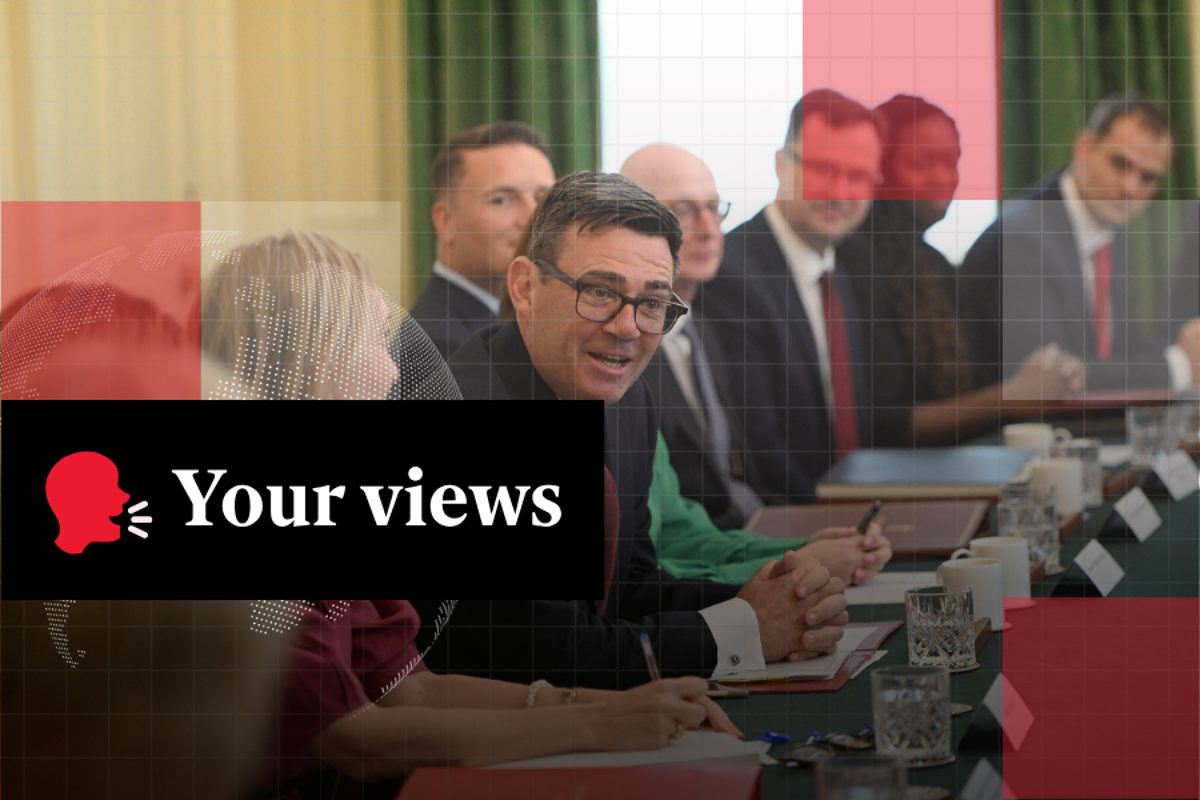
Andy Burnham has unveiled his first cabinet for Greater Manchester, but readers express scepticism, with some saying it is 'same gang, different seats'.
By Charlotte Redford · 5 min read
Andy Burnham has announced his first cabinet as Mayor of Greater Manchester, a move that has sparked debate among readers about whether the reshuffle represents genuine change or simply a reorganisation of familiar political figures. The new team, which includes prominent Labour figures such as John Healey as Chancellor of the Duchy of Lancaster, has been met with a mixed response, with some observers describing it as «same gang, different seats».
The cabinet, unveiled on Tuesday, is part of Burnham's broader effort to strengthen the region's governance and push for greater devolution. It includes a number of MPs and local leaders who have long been associated with Labour politics in the North of England. John Healey, a veteran Labour MP and former shadow defence secretary, takes on a key role in the new administration, which Burnham has framed as a «Cabinet for the North».
However, the reaction from readers and commentators has been far from universally positive. Many have questioned whether the appointment of seasoned politicians, rather than fresh faces, will lead to meaningful change for the region. One reader commented that the new cabinet looked like «the same old faces in different positions», echoing a sentiment that has been widely shared on social media and in online forums. Another remarked that the move felt like «a reshuffle rather than a revolution».
Burnham, who was re-elected as Mayor in 2024, has positioned himself as a champion of northern interests, often clashing with central government over funding and policy. His new cabinet is intended to reflect a shift in power away from Westminster and towards the North, with a focus on issues such as transport, housing, and economic development. The cabinet includes representatives from across the region, including MPs from Manchester, Liverpool, and other northern cities, in what has been described as the most northern-heavy cabinet in recent history.
The announcement comes at a time of heightened political tension in the UK, with the Labour Party under Sir Keir Starmer facing internal divisions and external pressure. Some of those appointed to Burnham's cabinet have been loyalists to former Prime Minister Tony Blair or other senior Labour figures, leading to accusations that the new team is more about rewarding allies than driving innovation. Reports have also emerged that some of these appointees could be in line for significant payoffs, totalling up to £200,000, as part of their transition to new roles, although this has not been officially confirmed.
Despite the scepticism, Burnham has defended his choices, arguing that experience and continuity are essential for delivering on the region's priorities. In a statement, he said that the cabinet would «hit the ground running» and focus on «the issues that matter most to people in Greater Manchester», such as improving public transport, building more affordable homes, and creating jobs. He also emphasised that the team includes a mix of seasoned politicians and newer voices, though critics have pointed out that many of the «newer voices» have long political careers.
The debate over Burnham's cabinet reflects a broader tension in British politics between the desire for change and the reliance on established figures. For many readers, the appointment of familiar names like John Healey raises questions about whether the Labour Party can truly offer a fresh start, particularly in the North, where disillusionment with Westminster politics has been growing. Some have called for more radical steps, such as the inclusion of independent candidates or community representatives, to break the mould.
As Burnham's cabinet begins its work, the focus will be on whether it can deliver tangible improvements for the region. Key areas to watch include the rollout of the Bee Network, a proposed integrated transport system for Greater Manchester, and efforts to tackle the housing crisis. The cabinet's ability to secure additional funding from central government will also be a test of its influence. For now, however, the public remains divided, with many reserving judgment until they see concrete results.
The reaction to the cabinet announcement highlights the challenges facing regional leaders in balancing experience with innovation. While Burnham has sought to present his team as a bold step forward, the perception among some readers is that it is more of the same. Whether this perception changes will depend on the outcomes of the cabinet's policies in the months and years ahead.