
Business 110
Dacia CEO Urges EU to Freeze Small Car Rules to Cut Prices
In this issue
Business 110
Dacia CEO Urges EU to Freeze Small Car Rules to Cut Prices
Culture 89
1988 Porsche 911 Carrera Targa G50 with Rebuilt Engine Heads to Auction
Economy 30
HMRC is writing to low earners about pension top-ups averaging about £70
News 124
Aftermarket Trackers Recover 99% of Stolen Cars as Factory Systems Fail
Politics 103
Met police open inquiry into alleged foreign donations to Reform UK
Sports 231
AMG GT Black Series Spied With Radical Aero Ahead of Nürburgring Record Attempt
Technology 116
Waymo Expands Driverless Ride-Hailing to Las Vegas
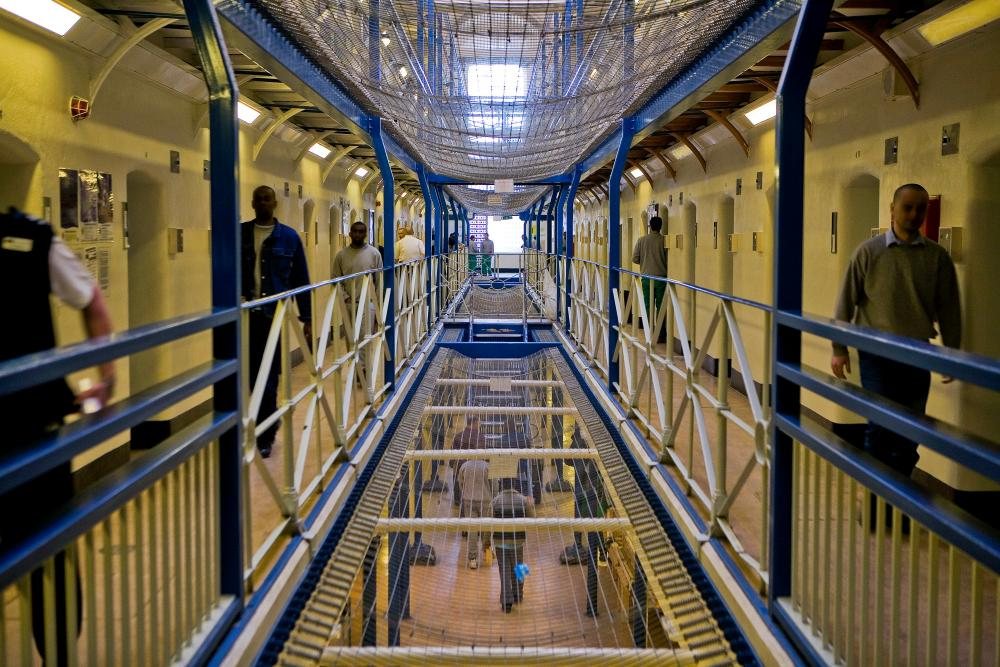
Prime Minister Andy Burnham has paused a planned early release scheme for 6,000 prisoners in England and Wales following concerns from crime victims and the probation union. An urgent review will aim to minimise public risk.
By Charlotte Redford · 5 min read
Prime Minister Andy Burnham has halted a controversial early release scheme that would have freed 6,000 prisoners across England and Wales, following a wave of criticism from crime victims and the probation union. The scheme, originally scheduled to begin in September, was intended to alleviate overcrowding in the prison system, but concerns over public safety prompted the government to order an urgent review.
Burnham announced the pause on Thursday, stating that «keeping the public safe» remains his «top priority». The decision comes after the probation union and victims’ groups raised serious doubts about the plan, which would have seen offenders released on electronic tags. Critics warned that the scheme could lead to the early release of dangerous criminals, including killers, rapists, and sex abusers.
The prime minister said the urgent review will aim to «minimise risk to the public» and ensure that no prisoners are released under the policy until it has been thoroughly assessed. «No prisoners will be let out under this policy until we have conducted an urgent review,» Burnham told reporters. The review will examine the criteria for early release, the effectiveness of electronic tagging, and the capacity of probation services to monitor released offenders.
The early release scheme was originally introduced by the previous Conservative government as a temporary measure to address chronic overcrowding in prisons. However, the plan was inherited by Burnham’s Labour administration, which came to power in the recent general election. The scheme had been due to expand in September, with the release of thousands more inmates to free up space in jails.
The probation union, which represents officers responsible for supervising offenders in the community, had been vocal in its opposition to the scheme. The union argued that the plan was causing «chaos» and that probation services were already overstretched and under-resourced. It warned that releasing large numbers of prisoners without adequate preparation would increase the risk of reoffending and put the public in danger.
Victims’ groups also expressed alarm, particularly at the prospect of serious violent and sexual offenders being freed early. Some victims said they had not been informed about the potential release of those who had harmed them, adding to their distress. The government has acknowledged these concerns and said the review will include measures to improve communication with victims.
The pause marks a significant shift in policy for the new Labour government, which had initially signalled it would continue with the early release scheme as a necessary step to manage prison capacity. However, the backlash from victims and frontline staff appears to have forced a rethink. Burnham’s decision is likely to be welcomed by campaigners and opposition MPs, who had called for the scheme to be scrapped entirely.
Justice Secretary Andrew Harper confirmed that the review would be conducted urgently and that its findings would be published before the end of the summer. He said the government was committed to ensuring that the justice system protects the public while also addressing the long-standing problem of prison overcrowding. «We cannot have a situation where dangerous offenders are released without proper safeguards,» Harper said.
The prison population in England and Wales has been at or near capacity for several years, with the system holding more than 88,000 inmates. The early release scheme was one of several measures introduced to ease pressure on jails, alongside building new prison places and expanding the use of electronic monitoring. Critics argue that the government should focus on sentencing reform and investment in rehabilitation rather than relying on early release.
The opposition Conservative Party has accused Burnham of creating confusion and uncertainty by first supporting the scheme and then pausing it. Shadow home secretary James Cleverly said the prime minister had «dithered and delayed» on a matter of public safety. However, Burnham defended his decision, saying it was right to listen to concerns and act to protect the public.
The review is expected to report back within weeks, and the government has said no further releases will take place under the scheme until it is completed. In the meantime, prison governors have been told to continue managing overcrowding through other means, including transfers between facilities and temporary accommodation measures. The situation remains fluid, and further announcements are expected as the review progresses.