
Business 110
Dacia CEO Urges EU to Freeze Small Car Rules to Cut Prices
In this issue
Business 110
Dacia CEO Urges EU to Freeze Small Car Rules to Cut Prices
Culture 89
1988 Porsche 911 Carrera Targa G50 with Rebuilt Engine Heads to Auction
Economy 30
HMRC is writing to low earners about pension top-ups averaging about £70
News 124
Aftermarket Trackers Recover 99% of Stolen Cars as Factory Systems Fail
Politics 103
Met police open inquiry into alleged foreign donations to Reform UK
Sports 231
AMG GT Black Series Spied With Radical Aero Ahead of Nürburgring Record Attempt
Technology 117
BMW Confirms Next 3 Series Will Retain Plug-In Hybrid Power
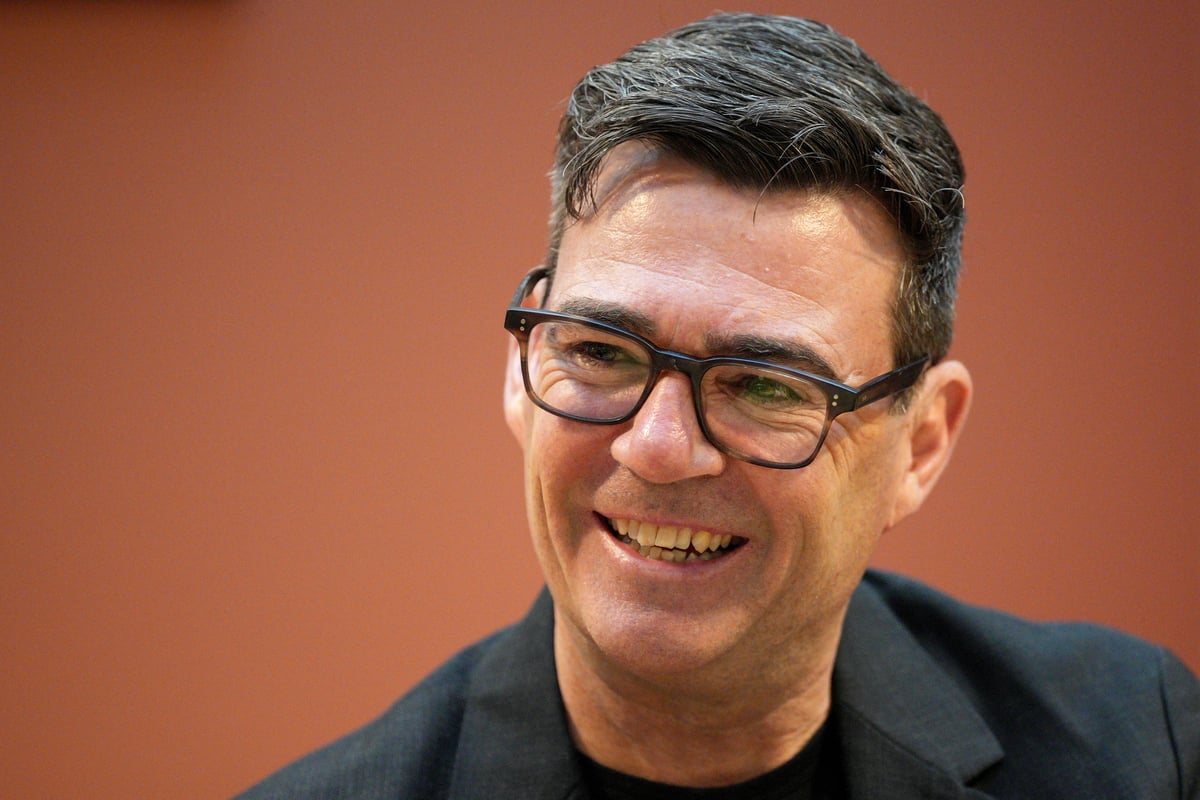
New Prime Minister Andy Burnham has announced the removal of VAT from electricity bills from October as part of a series of measures to ease the cost-of-living crisis, vowing to lead a 'cost-of-living government'.
By Edward Beaumont · 4 min read
New Prime Minister Andy Burnham has vowed to lead a «cost-of-living government» as he announced the removal of VAT from electricity bills from October, marking the first major policy move of his administration. The decision, confirmed after his first cabinet meeting, is intended to ease financial pressures on households across Great Britain, with the six-month tax cut expected to provide immediate relief during the colder months.
Burnham, who took office following a decisive Labour victory, told cabinet ministers that he wants the government to explore «all possible ways» to help families struggling with high costs. The VAT cut on electricity bills is the first in a series of anticipated measures aimed at tackling the ongoing cost-of-living crisis, which has been a central theme of his campaign and early premiership. The move is designed to «take that little bit of pressure off people's shoulders», as Burnham framed it during his first cabinet meeting.
The new prime minister has also moved quickly to reshape the machinery of government, creating a powerful new department called the Office of the Prime Minister and Cabinet. This body, to be headed by his close ally Louise Haigh, will oversee operations at No 10 in London, the forthcoming No 10 North in Manchester, and parts of the Cabinet Office, Treasury, and housing ministry. The department is intended to become the «dominant driver of the UK's economy», according to officials, signalling a shift in how economic policy is coordinated across Whitehall.
In a further sign of his international engagement, Burnham held a phone call with António Costa, the president of the European Council, in which they agreed to «further strengthen» EU-UK relations and continue cooperation on supporting Ukraine. The call also touched on «common geopolitical challenges facing Europe», including energy price volatility linked to the US-Israel conflict with Iran, Europe's trading and security relationship with Washington, the future of Nato, hybrid warfare threats from Russia, and the rise of national populism and anti-immigration sentiment across the continent.
The VAT cut on electricity bills is expected to benefit millions of households, with the average saving estimated at around £100 over the six-month period. However, critics have noted that the measure is temporary and does not address underlying issues such as energy market regulation or the transition to renewable sources. Burnham has indicated that further cost-of-living interventions are under consideration, though no specific details have been released beyond the electricity VAT cut.
The creation of the Office of the Prime Minister and Cabinet represents one of the most significant Whitehall reorganisations in recent years. By merging elements of the Cabinet Office, Treasury, and housing ministry, Burnham aims to streamline decision-making and ensure that economic growth and living standards are prioritised across government departments. Louise Haigh, a seasoned Labour figure and Burnham ally, will oversee the new department, which will also manage the prime minister's dual offices in London and Manchester.
Burnham's early moves have been met with cautious optimism from some quarters, though opposition parties have warned that the VAT cut alone will not be enough to reverse the long-term decline in living standards. The new prime minister has acknowledged the scale of the challenge, telling cabinet that his government will be judged on its ability to deliver tangible improvements to people's lives. The coming weeks are expected to bring further announcements on housing, energy, and public services as Burnham seeks to cement his reputation as a leader focused on the cost of living.