
Business 110
Dacia CEO Urges EU to Freeze Small Car Rules to Cut Prices
In this issue
Business 110
Dacia CEO Urges EU to Freeze Small Car Rules to Cut Prices
Culture 89
1988 Porsche 911 Carrera Targa G50 with Rebuilt Engine Heads to Auction
Economy 30
HMRC is writing to low earners about pension top-ups averaging about £70
News 124
Aftermarket Trackers Recover 99% of Stolen Cars as Factory Systems Fail
Politics 103
Met police open inquiry into alleged foreign donations to Reform UK
Sports 231
AMG GT Black Series Spied With Radical Aero Ahead of Nürburgring Record Attempt
Technology 117
BMW Confirms Next 3 Series Will Retain Plug-In Hybrid Power
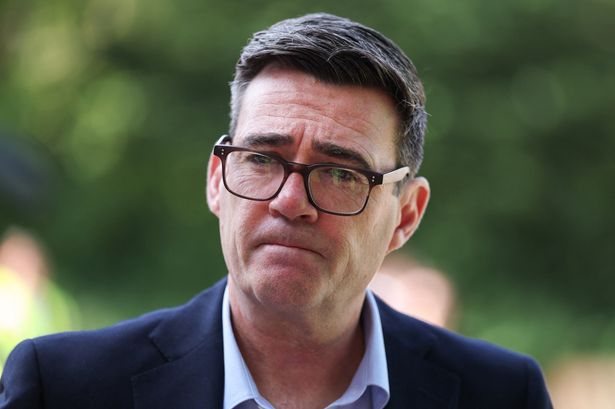
Prime Minister Andy Burnham has warned that the NHS could effectively collapse without rapid reform of the social care system in England, vowing to use his political capital to address the long-standing crisis.
By Eleanor Ellington · 4 min read
Prime Minister Andy Burnham has issued a stark warning that the National Health Service could effectively collapse unless the social care system in England undergoes fundamental reform. In his first full interview since entering Downing Street, Burnham pledged to use «whatever political capital I have» to finally fix what he described as a crumbling system that has been neglected for decades.
Speaking to the Guardian, Burnham said he could not put a specific timetable on introducing a new care system but stressed that its creation would take time. He acknowledged the scale of the challenge, noting that successive governments have failed to deliver lasting reform despite repeated promises. The Prime Minister’s comments come as the social care sector faces chronic underfunding, workforce shortages, and increasing demand from an ageing population.
Burnham, who previously served as Health Secretary under Gordon Brown, has long advocated for a national care service. He argued that without immediate action, the pressures on social care would spill over into the NHS, overwhelming hospitals and leading to a collapse of services. «The two systems are inextricably linked,» Burnham said. «If we do not fix social care, the NHS will not survive in its current form.»
The Prime Minister also hinted that claiming benefits could become harder as part of broader welfare reforms aimed at encouraging employment. While he did not provide details, sources close to Downing Street suggested the government is considering tightening eligibility criteria for some benefits to reduce dependency and boost workforce participation. This aligns with Burnham’s stated goal of creating a system that supports people to live independently rather than relying on state handouts.
Burnham’s pledge has drawn mixed reactions from political opponents and campaign groups. The Conservative Party accused him of making grand promises without a clear plan, pointing to Labour’s failure to implement social care reform during its previous time in office. However, charities and healthcare leaders welcomed the renewed focus on the issue, urging the government to move quickly from rhetoric to action. The chief executive of Age UK called for an immediate injection of funding to stabilise the sector while longer-term reforms are developed.
The Prime Minister’s intervention highlights the central challenge facing his administration: how to fund and deliver a sustainable social care system in an era of tight public finances. Burnham has ruled out a dedicated ‘care tax’ but has not yet outlined how reform will be paid for. Economists estimate that a properly funded system could cost an additional £10 billion to £15 billion per year, raising difficult questions about tax rises or spending cuts elsewhere.
Burnham’s own political capital is high following Labour’s decisive election victory, but he acknowledged that building consensus on social care will require cross-party cooperation. «This cannot be a political football,» he said. «We need a long-term settlement that outlasts any single government.» He called on opposition leaders to work with him to design a system that commands broad public support.
Analysts note that Burnham’s personal credibility on this issue is strong, given his previous role as Health Secretary and his years of campaigning on social care. However, they caution that previous attempts at reform have foundered on cost and complexity. The Prime Minister’s willingness to spend political capital will be tested as detailed proposals emerge in the coming months.