
Business 110
Dacia CEO Urges EU to Freeze Small Car Rules to Cut Prices
In this issue
Business 110
Dacia CEO Urges EU to Freeze Small Car Rules to Cut Prices
Culture 89
1988 Porsche 911 Carrera Targa G50 with Rebuilt Engine Heads to Auction
Economy 30
HMRC is writing to low earners about pension top-ups averaging about £70
News 124
Aftermarket Trackers Recover 99% of Stolen Cars as Factory Systems Fail
Politics 103
Met police open inquiry into alleged foreign donations to Reform UK
Sports 231
AMG GT Black Series Spied With Radical Aero Ahead of Nürburgring Record Attempt
Technology 117
BMW Confirms Next 3 Series Will Retain Plug-In Hybrid Power
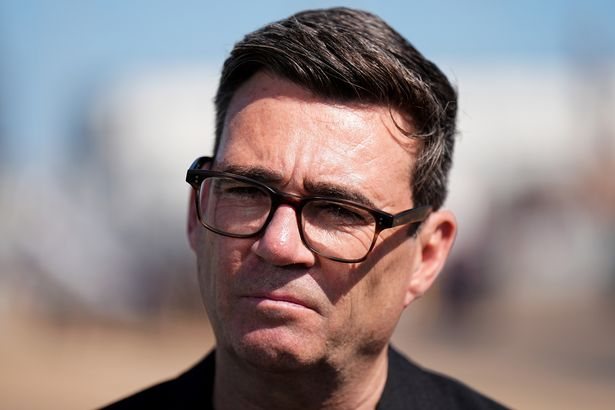
Prime Minister Andy Burnham has invited Conservative leader Kemi Badenoch and Liberal Democrat leader Ed Davey to urgent talks on social care reform, pledging a problem-solving approach to fix the decades-old funding crisis.
By Edward Beaumont · 5 min read
Prime Minister Andy Burnham has invited the leaders of the Conservative and Liberal Democrat parties to join him in urgent cross-party talks aimed at reforming England's struggling social care system. In a move that signals a break from the partisan gridlock that has stymied progress for decades, Burnham will call for an end to what he describes as a culture of political point-scoring.
Speaking ahead of a major address on social care, Burnham promised a strategy built on “problem-solving, not point-scoring”. He has formally asked Conservative leader Kemi Badenoch and Liberal Democrat leader Ed Davey to attend discussions on how to fix a sector that successive governments have failed to reform. It is understood that both leaders will be represented at the talks. Notably, Reform UK leader Nigel Farage has not been invited.
The prime minister is expected to warn that the National Health Service could collapse unless a sustainable solution is found for social care. The funding crisis, which has deepened over several decades, has left hundreds of thousands of elderly and disabled people without adequate support, while local authorities struggle to meet rising demand with diminishing budgets.
Burnham’s initiative reflects a recognition that no single party can deliver the long-term, cross-government consensus needed to overhaul a system that touches the lives of millions. Previous attempts at reform, including plans put forward by the last Labour government and the Conservative administrations that followed, have either been abandoned or watered down in the face of political disagreement and financial constraints.
Alongside the political outreach, Burnham will visit a care home together with Baroness Louise Casey, who is leading an independent review into the state of the social care sector. The review is expected to inform the government’s legislative proposals later this year. Casey’s involvement signals a determination to put evidence and frontline experience at the centre of the reform process.
The prime minister’s approach has drawn cautious praise from sector leaders, who have long argued that social care requires a settlement that transcends party politics. The cross-party format is intended to provide the stability and commitment that private investors and local councils need to plan for the future. Without such a consensus, experts warn, the system will continue to lurch from crisis to crisis.
Burnham is expected to say that the status quo is unacceptable and that the time for action is now. He will frame the reform effort as a national priority that should not be held hostage by short-term electoral considerations. The prime minister’s pledge to put “everything I’ve got into fixing social care” is likely to set the tone for the talks and for his government’s broader domestic agenda.
The challenge remains formidable. Social care in England is funded through a combination of local authority budgets, means-tested contributions from service users, and private payments. Many providers operate on thin margins, and workforce shortages are chronic. The government will need to grapple with questions of funding, staffing, quality standards, and the integration of health and social care services. The cross-party talks aim to build a framework that can command broad support across the political spectrum and survive changes in government.
Burnham’s decision to exclude Farage from the invitations has drawn some attention, though Downing Street has not offered a detailed explanation. The prime minister’s focus is on engaging the two main opposition parties that have held power or shared influence in recent decades and that share a stake in the future of public services.
As the talks get under way, the government is expected to publish a white paper setting out potential options for reform. These could include changes to the way care is paid for, new national standards, and measures to improve the pay and conditions of care workers. The involvement of both Labour and Liberal Democrat leaders, as well as Conservative representation, offers the best chance in a generation of producing a durable settlement.
The prime minister’s message is clear: social care is not a partisan issue but a national one. The question now is whether the political will summoned this week can be sustained long enough to deliver the change that so many have waited for.