
Business 110
Dacia CEO Urges EU to Freeze Small Car Rules to Cut Prices
In this issue
Business 110
Dacia CEO Urges EU to Freeze Small Car Rules to Cut Prices
Culture 89
1988 Porsche 911 Carrera Targa G50 with Rebuilt Engine Heads to Auction
Economy 30
HMRC is writing to low earners about pension top-ups averaging about £70
News 124
Aftermarket Trackers Recover 99% of Stolen Cars as Factory Systems Fail
Politics 103
Met police open inquiry into alleged foreign donations to Reform UK
Sports 231
AMG GT Black Series Spied With Radical Aero Ahead of Nürburgring Record Attempt
Technology 117
BMW Confirms Next 3 Series Will Retain Plug-In Hybrid Power
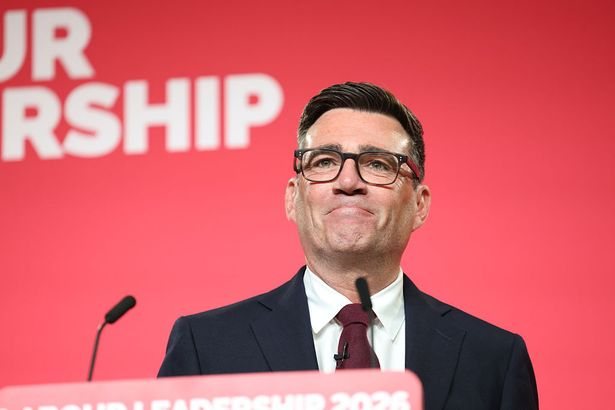
Incoming Prime Minister Andy Burnham is expected to announce plans to resume North Sea oil and gas drilling on Monday, marking a significant policy shift from the previous Labour government's stance on fossil fuel extraction.
By Eleanor Ellington · 4 min read
Andy Burnham will become the UK's new Prime Minister on Monday and is expected to announce plans to resume North Sea oil and gas drilling, in a major policy departure from the previous Labour administration's approach to fossil fuel extraction. Allies of the new Labour leader have indicated he intends to make a 'dynamic' start to his premiership when he formally takes over from Sir Keir Starmer.
The move represents a significant shift in energy policy, with Burnham reportedly preparing to authorise new drilling licences in the North Sea. This decision places him at odds with environmental campaigners and some within his own party who have advocated for a rapid transition away from fossil fuels. The announcement is expected to be part of a broader policy blitz in the early days of his premiership.
Burnham has promised to be a leader in 'all places' as Britain's next prime minister, signalling a more inclusive approach to governance. The decision to revive North Sea drilling is seen as an attempt to balance energy security concerns with the UK's long-term climate commitments. The new prime minister is expected to argue that domestic oil and gas production is necessary to protect British jobs and reduce reliance on foreign energy imports.
The policy reversal comes amid ongoing tensions within the Labour Party over environmental issues. Former energy secretary Ed Miliband, a prominent advocate for aggressive climate action, has been sidelined in the new administration's energy policy discussions. Burnham's decision to prioritise energy security over net-zero targets marks a clear break from the previous government's approach, which had placed strict limits on new fossil fuel exploration.
Industry leaders have welcomed the expected announcement, arguing that new North Sea drilling will support thousands of jobs in Scotland and northern England. The oil and gas sector has long called for greater government support, warning that without new licences, the UK would become increasingly dependent on imported energy. The decision is also likely to be popular with voters in traditional Labour heartlands where the energy industry remains a major employer.
Environmental groups have condemned the plans, accusing Burnham of abandoning the UK's climate leadership. Greenpeace and Friends of the Earth have both warned that new fossil fuel extraction is incompatible with the country's legally binding net-zero emissions target by 2050. The controversy is expected to dominate the first weeks of Burnham's premiership, with protests already being planned outside parliament.
The announcement is part of a wider policy agenda that Burnham will unveil in his first days in office. His team has briefed that the new prime minister wants to demonstrate decisive leadership on key issues facing the country, including the cost-of-living crisis and energy prices. By linking North Sea drilling to lower household bills and greater energy independence, Burnham hopes to build a broad coalition of support for his early policy moves.
The transition of power from Sir Keir Starmer to Andy Burnham marks a new chapter for the Labour Party, which has governed since 2024. Burnham, the former Mayor of Greater Manchester, has positioned himself as a more centrist figure willing to challenge orthodoxies within his own party. His decision on North Sea drilling is the clearest signal yet that his premiership will chart a different course from his predecessor on environmental and energy policy.