Business 110
Dacia CEO Urges EU to Freeze Small Car Rules to Cut Prices
In this issue
Business 110
Dacia CEO Urges EU to Freeze Small Car Rules to Cut Prices
Culture 89
1988 Porsche 911 Carrera Targa G50 with Rebuilt Engine Heads to Auction
Economy 30
HMRC is writing to low earners about pension top-ups averaging about £70
News 124
Aftermarket Trackers Recover 99% of Stolen Cars as Factory Systems Fail
Politics 103
Met police open inquiry into alleged foreign donations to Reform UK
Sports 231
AMG GT Black Series Spied With Radical Aero Ahead of Nürburgring Record Attempt
Technology 117
BMW Confirms Next 3 Series Will Retain Plug-In Hybrid Power
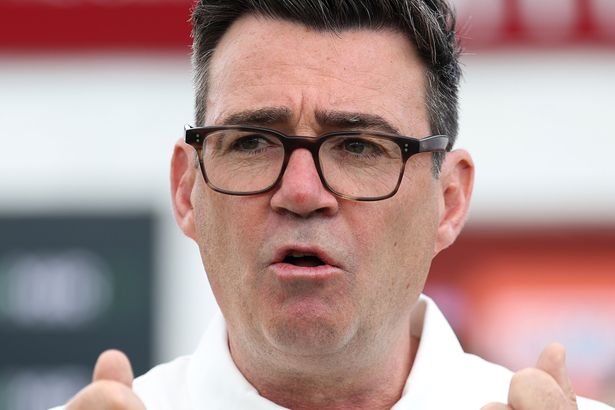
Andy Burnham will be formally announced as Labour Party leader at a special conference today, with over 80% of Labour MPs nominating him, ahead of entering Downing Street on Monday.
By George Kensington · 5 min read
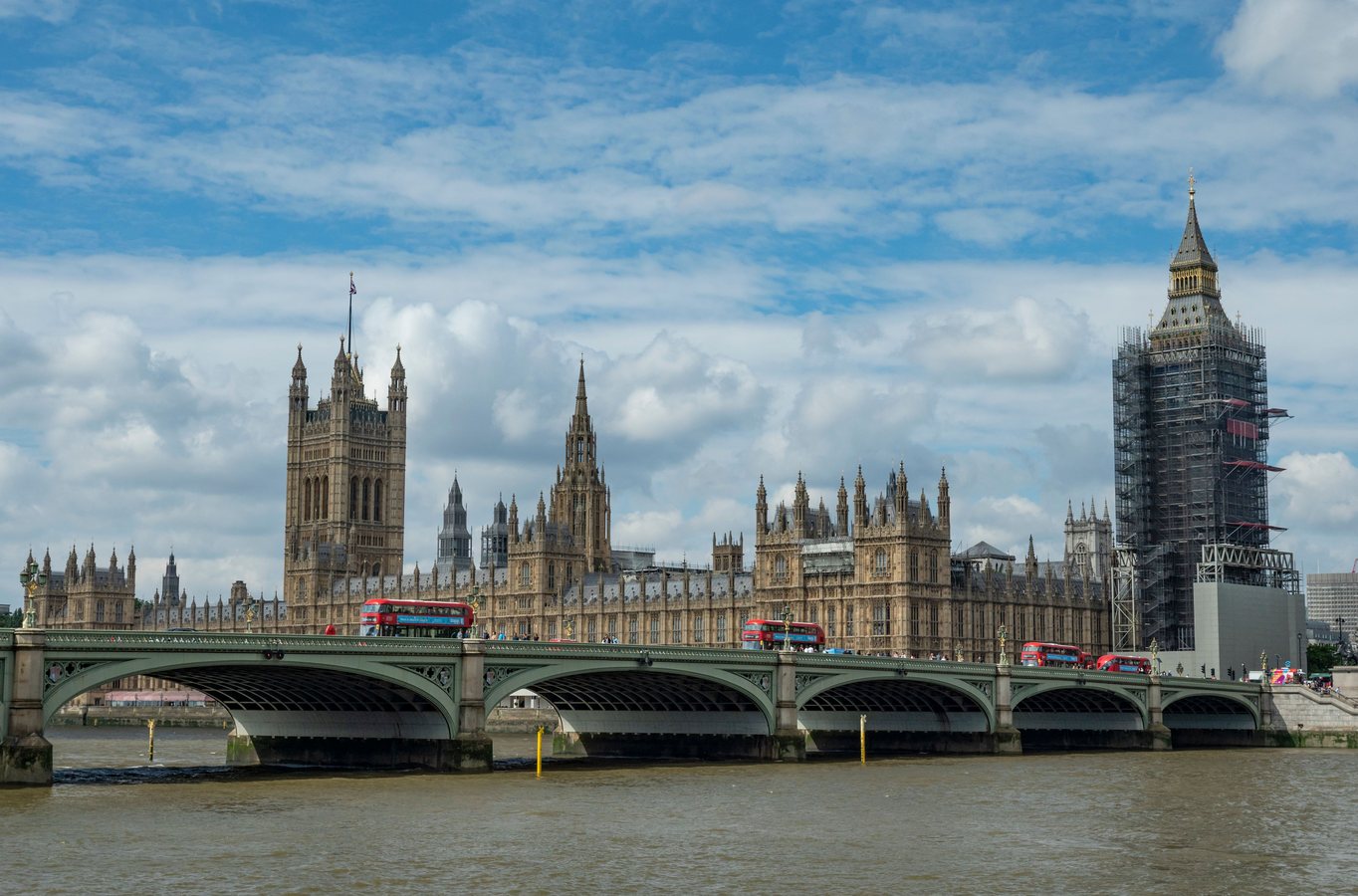
Andy Burnham will be formally announced as the leader of the Labour Party at a special conference in London today, paving the way for him to become the next prime minister on Monday. The event, scheduled for noon, marks the culmination of a swift leadership process triggered by Sir Keir Starmer's decision to step down.
Burnham, the MP for Makerfield and former mayor of Greater Manchester, secured the backing of more than 80 per cent of Labour MPs in a formal nomination process, underscoring the broad support he commands within the parliamentary party. His elevation to the leadership comes as Labour prepares to take over the reins of government after Starmer announced his resignation, setting the stage for a transition of power at Downing Street.
In his first speech as party leader, Burnham is expected to vow to undo Margaret Thatcher's economic legacy and pledge to lead a government that is «unashamedly Labour». The address, to be delivered at the special conference, will outline his vision for the country, focusing on economic reform, public services, and social justice. Sources close to Burnham indicate he will emphasise a break from the austerity policies of the past and commit to investing in infrastructure, healthcare, and education.
However, the transition has not been without controversy. Reports have emerged of internal dissent over Burnham's anticipated appointment of Shabana Mahmood as chancellor of the exchequer. Critics within the Labour left, including prominent MP Rachael Maskell, have voiced concerns about Mahmood's suitability for the role. Maskell told the Times that Ed Miliband would be a better choice for chancellor, citing his Treasury experience and ability to unite the party on difficult issues. She also criticised Mahmood's record on immigration and questioned her economic expertise.
A senior ally of Burnham, speaking anonymously, defended the decision, describing Mahmood as a capable figure but acknowledging that her appointment has surprised some colleagues. «Shabana has no sense of the economics. It's just not something she's ever spoken about. She's not collaborative. It's not clear how she would drive the machine,» the ally said, reflecting the unease among some MPs. Another Labour MP described the appointment as «baffling», adding that Mahmood's views on the economy are unknown and that she has never delivered a major speech or intervention on the subject.
Despite these internal tensions, Burnham's leadership bid has been largely smooth, with the party rallying behind him as the candidate best positioned to lead Labour into government. His background as Greater Manchester mayor, where he oversaw transport, housing, and economic development, has been cited as evidence of his executive experience. Burnham has also been a vocal advocate for devolution and regional equality, themes he is expected to champion as prime minister.
The special conference today will formally confirm Burnham as leader, after which he will begin the process of forming a cabinet and preparing for his first day in Downing Street on Monday. The transition marks a new chapter for Labour, which has been in opposition since 2010. Burnham's team has indicated that the new government will prioritise economic growth, public sector investment, and addressing the cost-of-living crisis, with an emphasis on reversing what they describe as the damaging legacy of Conservative rule.
Political analysts note that Burnham's leadership comes at a critical juncture, with the UK facing challenges including high inflation, strained public services, and ongoing industrial unrest. His promise to be «unashamedly Labour» signals a shift towards a more interventionist economic policy, potentially including higher taxes on the wealthy and increased public spending. However, the internal debate over Mahmood's appointment suggests that Burnham may face resistance from the left wing of his party as he seeks to balance ideological commitments with the pragmatism required to govern.
As the conference gets under way, all eyes will be on Burnham's speech and the composition of his shadow cabinet, which will provide early indications of the direction his government will take. With Labour set to return to power after more than a decade, the stakes are high for both the party and the country.