
Business 110
Dacia CEO Urges EU to Freeze Small Car Rules to Cut Prices
In this issue
Business 110
Dacia CEO Urges EU to Freeze Small Car Rules to Cut Prices
Culture 89
1988 Porsche 911 Carrera Targa G50 with Rebuilt Engine Heads to Auction
Economy 30
HMRC is writing to low earners about pension top-ups averaging about £70
News 124
Aftermarket Trackers Recover 99% of Stolen Cars as Factory Systems Fail
Politics 103
Met police open inquiry into alleged foreign donations to Reform UK
Sports 231
AMG GT Black Series Spied With Radical Aero Ahead of Nürburgring Record Attempt
Technology 117
BMW Confirms Next 3 Series Will Retain Plug-In Hybrid Power
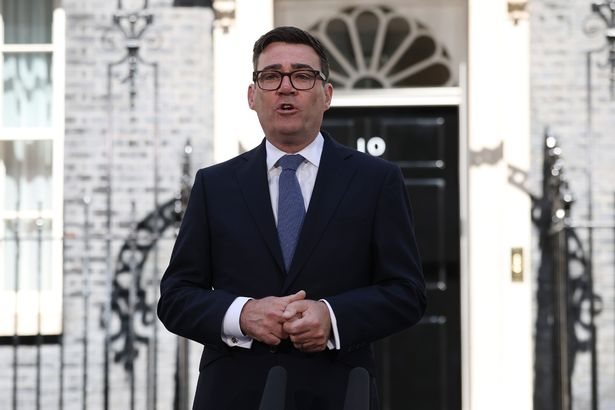
New Prime Minister Andy Burnham has pledged to end rough sleeping across the UK, announcing £340 million in funding as part of the most significant policy changes in four decades.
By George Kensington · 5 min read
New Prime Minister Andy Burnham has pledged to end rough sleeping across the United Kingdom, announcing what he described as the most significant policy changes in 40 years during his first address outside Downing Street. The former Greater Manchester mayor made the commitment a central pillar of his maiden speech, vowing to tackle homelessness with a comprehensive plan backed by £340 million in new funding.
Burnham, who took office after a decisive election victory, used his first address to the nation to outline a bold vision for his premiership. He stated that ending rough sleeping would be a defining goal of his government, drawing on his experience in Greater Manchester where he previously launched initiatives to reduce street homelessness. The Prime Minister emphasised that the issue required urgent action and a coordinated approach across multiple government departments.
The £340 million package is intended to fund emergency accommodation, support services, and long-term housing solutions for those sleeping on the streets. Burnham argued that previous efforts had been fragmented and insufficient, and that his government would implement a joined-up strategy involving local authorities, charities, and the private sector. He described the current level of rough sleeping as a national shame that demanded immediate and sustained intervention.
Critics, however, have pointed to Burnham's record in Greater Manchester, where rough sleeping nearly doubled during his tenure as mayor despite a similar pledge made in 2017. The Prime Minister acknowledged the challenges but insisted that the new national approach would learn from past shortcomings and deliver measurable results. He stressed that the funding would be targeted at the most vulnerable individuals, including those with mental health issues, addiction problems, and those fleeing domestic violence.
The announcement has drawn mixed reactions from homelessness charities and opposition parties. Some campaigners welcomed the increased investment and the political focus on rough sleeping, but others expressed scepticism about whether the pledge could be fulfilled given the scale of the crisis. Shelter, the housing charity, called for the government to go further by investing in social housing and reforming the private rental sector to prevent homelessness before it occurs.
Burnham's speech also touched on broader themes of social justice, economic reform, and public service improvement, but the rough sleeping pledge dominated the headlines. The Prime Minister framed the issue as a moral test for his government, arguing that a wealthy nation like the UK should not tolerate people living on the streets. He promised to hold regular reviews of progress and to publish annual data on rough sleeping numbers to ensure accountability.
The policy is part of a wider legislative agenda that Burnham plans to unveil in the coming weeks. His government is expected to introduce a Homelessness Reduction Bill that would place new duties on local authorities to prevent rough sleeping and provide emergency support. The bill is likely to include measures to increase the supply of affordable housing, expand mental health services, and improve coordination between health and housing agencies.
Political analysts have noted that Burnham's focus on rough sleeping reflects his background as a former health secretary and his longstanding interest in social policy. His decision to make the issue a priority in his first speech signals a desire to differentiate his government from previous administrations and to appeal to voters who are concerned about inequality and public services. The success of the pledge will depend on the government's ability to deliver on its promises amid ongoing economic pressures and competing demands on the public purse.
As the new Prime Minister settles into office, the rough sleeping commitment will be closely watched by both supporters and detractors. Burnham has set himself a high bar, and the coming months will reveal whether his government can translate ambition into action. For now, the pledge has put homelessness at the centre of the national political conversation, a development that campaigners hope will lead to lasting change.