
Business 110
Dacia CEO Urges EU to Freeze Small Car Rules to Cut Prices
In this issue
Business 110
Dacia CEO Urges EU to Freeze Small Car Rules to Cut Prices
Culture 89
1988 Porsche 911 Carrera Targa G50 with Rebuilt Engine Heads to Auction
Economy 30
HMRC is writing to low earners about pension top-ups averaging about £70
News 124
Aftermarket Trackers Recover 99% of Stolen Cars as Factory Systems Fail
Politics 103
Met police open inquiry into alleged foreign donations to Reform UK
Sports 231
AMG GT Black Series Spied With Radical Aero Ahead of Nürburgring Record Attempt
Technology 117
BMW Confirms Next 3 Series Will Retain Plug-In Hybrid Power
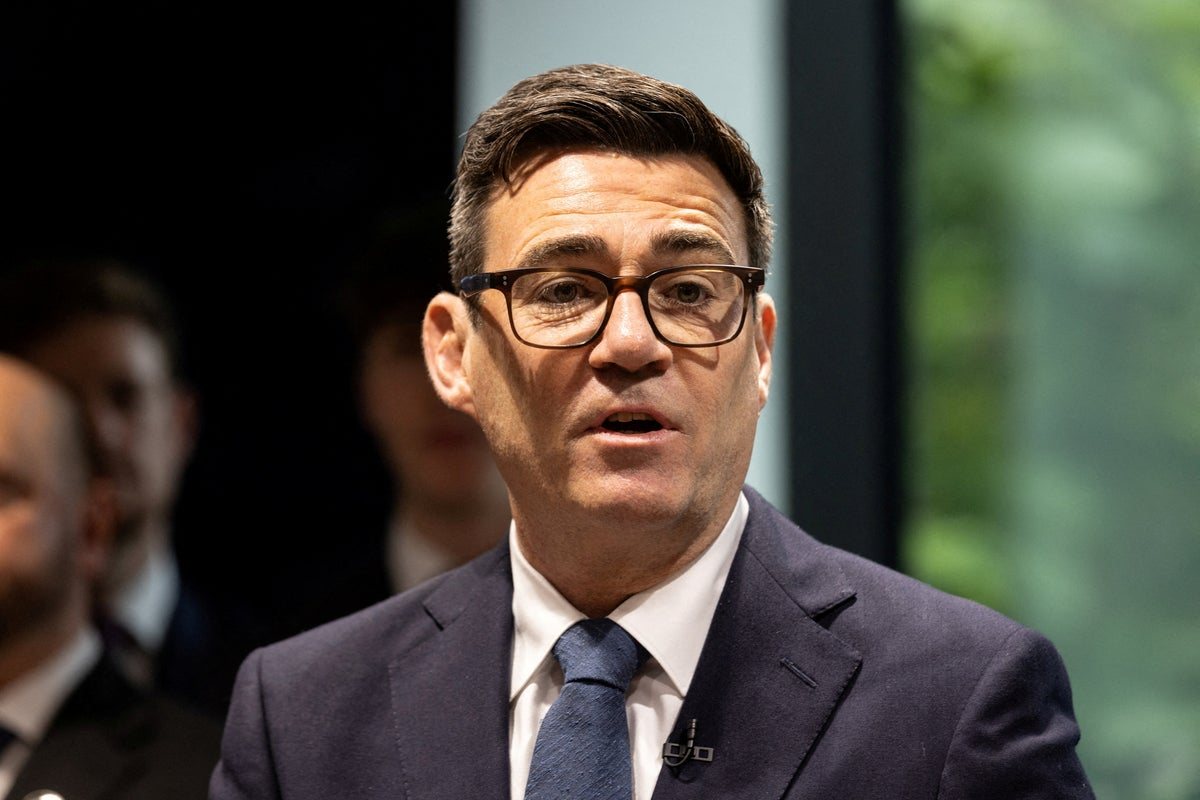
Prime Minister Andy Burnham has announced three key pledges to overhaul England's social care system, including cross-party talks and a fast-tracked review, while not ruling out tax rises to fund the reforms.
By Eleanor Ellington · 5 min read
Prime Minister Andy Burnham has set out an ambitious plan to reform England's broken social care system, describing the issue as deeply personal and pledging to make it his legacy. In a major speech, Burnham outlined three key commitments, including inviting opposition leaders into cross-party talks, fast-tracking a review led by Louise Casey, and promising that care workers should be among the best-paid in society.
Speaking emotionally about his father's battle with Alzheimer's disease, Burnham revealed how watching his parent receive care had given him a new perspective. He said: «When someone in your family is receiving care, you look at everything through new eyes, don't you? You notice things that maybe you didn't notice before because you watch it so closely and so carefully. And I've just been really overwhelmed by their care, the skill in what they do, the professionalism.»
The prime minister acknowledged that social care reform has eluded successive governments for three decades. However, he drew confidence from past achievements, reminding the audience: «Nobody thought we could get everybody in off the streets. So we can do difficult things in this country and we can do them well.»
Burnham, who first began campaigning for social care reform nearly twenty years ago, said the time for action is now. He pledged that the final recommendations from the Casey review will be published by summer 2027. While not explicitly announcing new taxes, he did not rule out raising revenue to fund the overhaul, signalling that current inefficiencies in the system will be tackled first, but additional funding may be necessary.
The prime minister also stressed the need for cross-party consensus, extending invitations to Conservative leader Kemi Badenoch and Liberal Democrat leader Ed Davey to participate in talks. This move is widely seen as an attempt to build lasting support for reforms that have historically collapsed due to political disagreement.
In his speech, Burnham emphasised the value of care workers, stating they should be «the best-paid people in society, not the worst.» This reflects a broader push to professionalise the sector and address chronic staff shortages that have worsened since the pandemic.
The announcement comes amid growing pressure on local authorities and the NHS, which rely heavily on a functioning social care system to manage hospital discharges and support vulnerable adults. Campaigners have long warned that funding gaps and low pay are driving carers out of the profession, leaving thousands without adequate support.
Burnham's personal connection to the issue has added emotional weight to his promises. His father's Alzheimer's diagnosis gave him first-hand experience of the system's shortcomings, a fact he referenced repeatedly. Political analysts note that this personal stake could strengthen his resolve to push through changes that previous prime ministers have failed to deliver.
The fast-tracked review by Louise Casey, a veteran public servant known for her work on homelessness and social justice, will examine the full scope of the crisis and propose a sustainable funding model. The government has indicated that it will consider all options, including tax increases, to ensure long-term stability.
Reaction from the sector has been cautiously optimistic. Care home providers and charities welcomed the renewed focus but stressed that detailed policy must follow swiftly. The opposition Labour party, now under new leadership, said it would engage constructively while demanding clarity on timelines and costs.
The prime minister's speech marks a defining moment for his premiership. With the social care system under immense strain, Burnham has staked his political future on solving a problem that has defeated his predecessors. Whether he can succeed where others have failed remains to be seen, but the personal and political stakes are now unmistakably clear.