
Business 110
Dacia CEO Urges EU to Freeze Small Car Rules to Cut Prices
In this issue
Business 110
Dacia CEO Urges EU to Freeze Small Car Rules to Cut Prices
Culture 89
1988 Porsche 911 Carrera Targa G50 with Rebuilt Engine Heads to Auction
Economy 30
HMRC is writing to low earners about pension top-ups averaging about £70
News 124
Aftermarket Trackers Recover 99% of Stolen Cars as Factory Systems Fail
Politics 103
Met police open inquiry into alleged foreign donations to Reform UK
Sports 231
AMG GT Black Series Spied With Radical Aero Ahead of Nürburgring Record Attempt
Technology 117
BMW Confirms Next 3 Series Will Retain Plug-In Hybrid Power
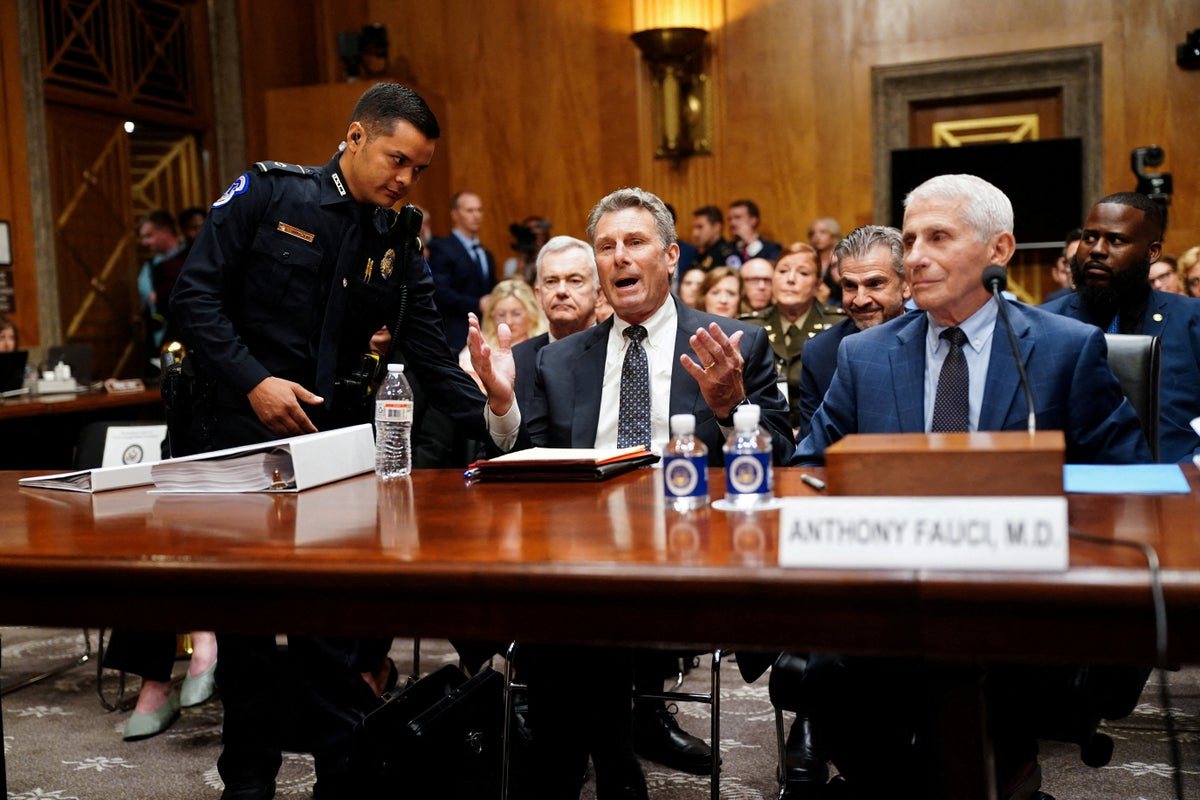
Dr Anthony Fauci invoked the Fifth Amendment during a Senate hearing on Covid-19 origins, leading to a heated exchange with Senator Rand Paul and the removal of his lawyer from the chamber.
By George Kensington · 4 min read
Dr Anthony Fauci, the former director of the National Institute of Allergy and Infectious Diseases and chief medical adviser to President Joe Biden, invoked his Fifth Amendment right against self-incrimination during a contentious Senate hearing on the origins of the Covid-19 pandemic, prompting a heated exchange with Republican Senator Rand Paul that culminated in the ejection of Fauci's lawyer from the chamber.
The hearing before the Senate Homeland Security Committee was the latest episode in a protracted political battle over the origins of the coronavirus, with Republicans pressing Fauci on his role in funding gain-of-function research at the Wuhan Institute of Virology. Fauci, who has testified before Congress multiple times since the pandemic began, this time declined to answer any substantive questions, citing the advice of his legal team. When Senator Paul pressed him on specific research grants and communications with Chinese scientists, Fauci refused to respond and accused Paul of having an «obvious obsession» with him, according to reports from the hearing.
The confrontation escalated when Senator Paul objected to Fauci's lawyer being present in the room, arguing that the attorney was improperly coaching the witness and obstructing the committee's work. The committee chairman, Senator Josh Hawley, sustained the objection and ordered the lawyer to be removed. Capitol police escorted the lawyer out of the hearing room, a rare procedural step that drew gasps from some attendees. Fauci then continued to assert his Fifth Amendment rights, declining to answer further questions from both Republican and Democratic members.
Senator Gary Peters, the ranking Democrat on the committee, criticised the conduct of the hearing. While acknowledging that the committee has a long tradition of bipartisan oversight on matters of risky research and pandemic origins, Peters said that the proceedings did not reflect that spirit. He described the exchange as unproductive and called for future hearings to be conducted in a more respectful manner. Other Democrats on the committee echoed his concerns, suggesting that the hearing was being used as a political platform rather than a genuine fact-finding effort.
The Fifth Amendment of the US Constitution protects individuals from being compelled to testify against themselves. Legal experts note that invoking it in a congressional hearing does not imply guilt but is a common tactic when a witness believes their testimony could be used against them in a criminal or civil proceeding. Fauci's decision to assert this right marks a significant shift in his approach; he has previously testified extensively and voluntarily about the pandemic response. The move is likely to fuel further debate about what Fauci may be seeking to avoid disclosing.
The hearing underscores the deep partisan divisions that persist over the Covid-19 pandemic, which has killed more than a million people in the United States. Republicans have long sought to hold Fauci accountable for what they see as misleading statements about mask efficacy, social distancing, and the lab leak theory. Democrats, in contrast, have defended Fauci as a dedicated public servant who acted on the best available science under extraordinary circumstances. The ejection of his lawyer adds a dramatic element to an already tense confrontation, and it remains unclear whether the committee will attempt to compel Fauci's testimony through a subpoena or other legal means.
No further hearings with Fauci have been scheduled. Meanwhile, the debate over pandemic origins continues, with the intelligence community yet to reach a definitive conclusion on whether the virus escaped from a laboratory or emerged from a natural zoonotic spillover.