
Business 110
Dacia CEO Urges EU to Freeze Small Car Rules to Cut Prices
In this issue
Business 110
Dacia CEO Urges EU to Freeze Small Car Rules to Cut Prices
Culture 89
1988 Porsche 911 Carrera Targa G50 with Rebuilt Engine Heads to Auction
Economy 30
HMRC is writing to low earners about pension top-ups averaging about £70
News 124
Aftermarket Trackers Recover 99% of Stolen Cars as Factory Systems Fail
Politics 103
Met police open inquiry into alleged foreign donations to Reform UK
Sports 231
AMG GT Black Series Spied With Radical Aero Ahead of Nürburgring Record Attempt
Technology 116
Waymo Expands Driverless Ride-Hailing to Las Vegas
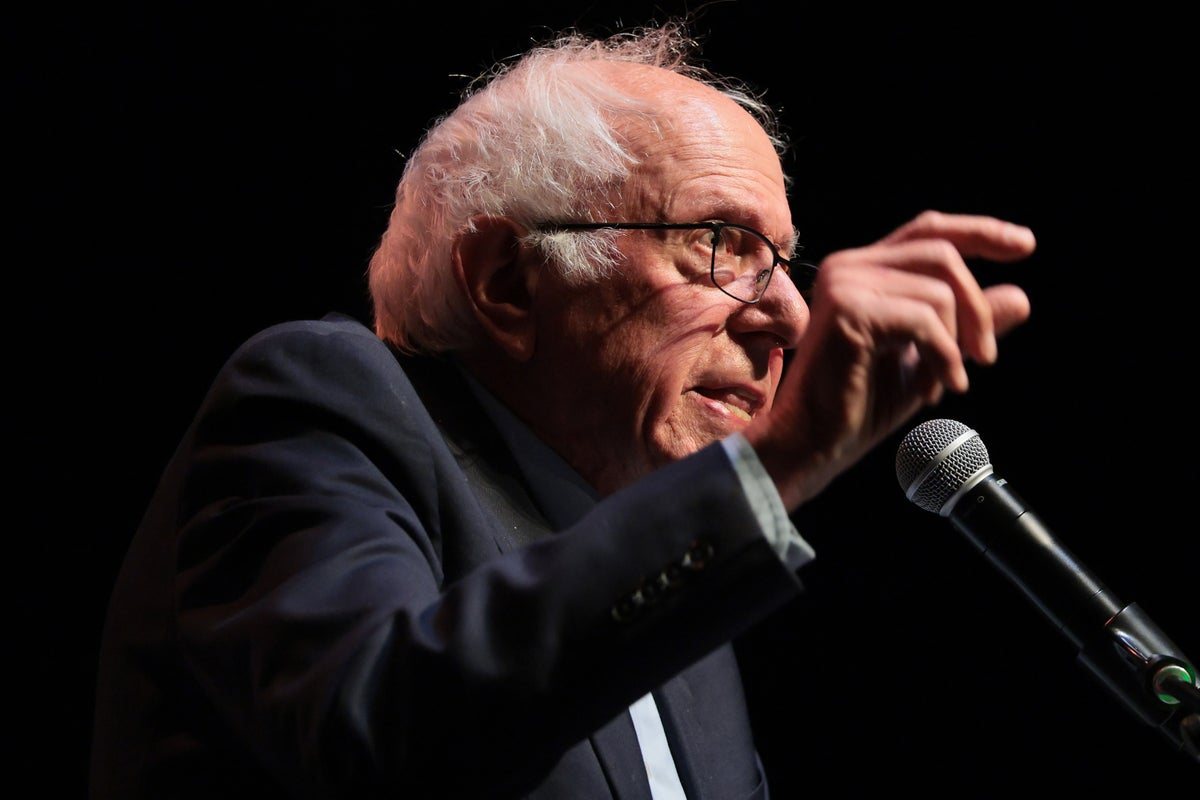
Senator Bernie Sanders has declared that a ‘political revolution’ is imminent, following a series of electoral wins for democratic socialist candidates across the United States. Speaking ahead of the Fourth of July, the 84-year-old independent from Vermont argued that the progressive agenda is increasingly resonating with the American public, signalling a shift in the country’s political landscape.
By Charlotte Redford · 6 min read
Senator Bernie Sanders has warned that a ‘political revolution’ is approaching, as a wave of victories for democratic socialist candidates across the United States signals growing support for progressive policies. The 84-year-old independent from Vermont, who has long championed universal healthcare, tuition-free college, and a higher minimum wage, said the recent electoral successes demonstrate that the agenda he and his allies have promoted is now firmly on the national stage.
Speaking ahead of the Fourth of July holiday, Sanders told reporters that the momentum behind democratic socialist candidates is not a fleeting trend but a reflection of deep-seated public demand for systemic change. ‘I think there is a growing consensus that our agenda is the agenda of the American people,’ he said, pointing to primary and local election wins by candidates who embrace policies such as Medicare for All, the Green New Deal, and aggressive action on income inequality.
The senator’s remarks come after a string of primary victories for progressive candidates in states including Pennsylvania, Illinois, and New York, where democratic socialists unseated moderate incumbents or won open seats in state legislatures and congressional races. In several contests, candidates endorsed by the Sanders-aligned group Our Revolution defeated establishment-backed opponents, underscoring the leftward shift within the Democratic Party.
Sanders, who ran for the Democratic presidential nomination in 2016 and 2020, has remained a central figure in the progressive movement. His warning about an impending ‘political revolution’ echoes the language he used during his first campaign, when he mobilised millions of young and working-class voters around a platform that challenged corporate power and the influence of big money in politics. The senator has argued that the conditions that gave rise to his earlier campaigns have only intensified, with rising housing costs, stagnant wages, and a healthcare system that leaves millions uninsured or underinsured.
The Fourth of July, a date symbolising American independence and democratic ideals, provided a backdrop for Sanders’s message. He suggested that the true meaning of the holiday should be a commitment to economic and social justice, not merely fireworks and barbecues. ‘On this day we celebrate our independence, but we must also recognise that true independence means freedom from the tyranny of poverty, debt, and inadequate healthcare,’ he said in a statement released by his office.
Political analysts note that the victories of democratic socialist candidates, while still a minority within the Democratic Party, have shifted the national conversation. Issues that were once considered fringe, such as a federal job guarantee or breaking up large banks, are now debated in mainstream media and on the campaign trail. The Sanders wing has also pushed the party’s leadership to adopt more aggressive stances on climate change and corporate regulation.
Critics, however, argue that the ‘political revolution’ Sanders describes could alienate moderate voters in general elections, particularly in swing districts and states. Republican strategists have seized on the term to paint Democrats as embracing radical socialism, a charge that Sanders and his allies reject. They insist that their policies are popular with a broad majority of Americans, citing polls that show support for raising taxes on the wealthy, expanding Social Security, and guaranteeing healthcare as a right.
Sanders’s warning also comes at a time when the Democratic Party is grappling with internal divisions ahead of the 2026 midterm elections. Progressive candidates are challenging incumbents in several key races, and the outcome of these primaries will shape the party’s platform and strategy. The senator has pledged to continue campaigning for democratic socialist candidates, using his fundraising network and grassroots organising machine to amplify their message.
The Fourth of July holiday has historically been a moment for political reflection in the United States, and Sanders’s comments fit a tradition of using the occasion to call for national renewal. From Frederick Douglass’s famous 1852 speech ‘What to the Slave Is the Fourth of July?’ to modern-day protests for civil rights, the date has often been a platform for demanding that the country live up to its founding ideals.
As Americans prepare to celebrate Independence Day, Sanders’s warning serves as a reminder that the political landscape is shifting. Whether the ‘revolution’ he predicts will materialise in the form of legislative victories or remain a rallying cry for the progressive base remains to be seen. But for now, the senator’s words have reignited debate about the direction of the Democratic Party and the future of American politics.