Business 112
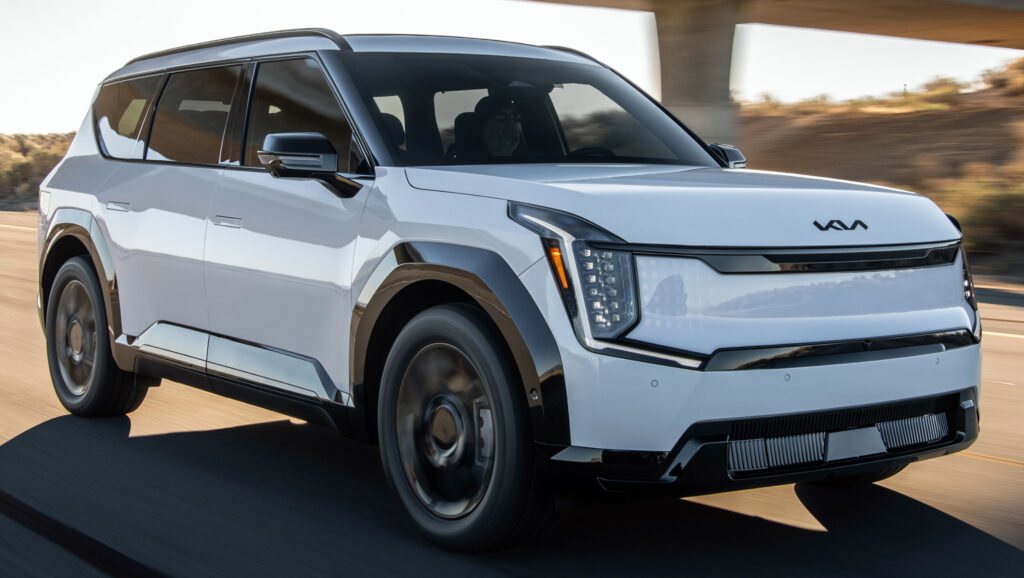
Kia EV9 Discounts Reach $16,000 as Sales Fall 33%
In this issue
Business 112
Kia EV9 Discounts Reach $16,000 as Sales Fall 33%
Culture 91
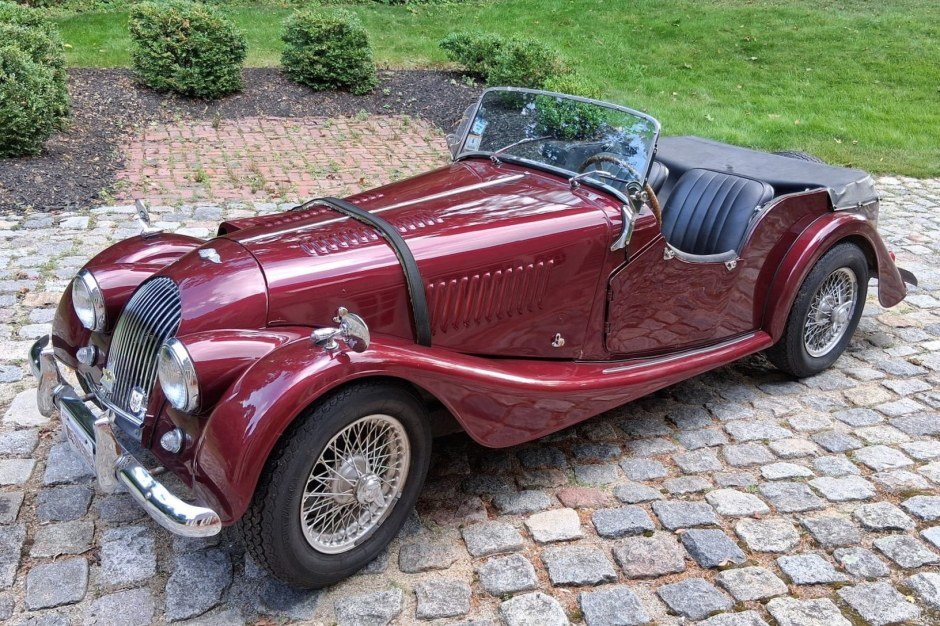
1967 Morgan Plus 4 Four-Seater Heads to Auction After Decades of Careful Ownership
Economy 30
HMRC is writing to low earners about pension top-ups averaging about £70
News 124
Aftermarket Trackers Recover 99% of Stolen Cars as Factory Systems Fail
Politics 104
Reform UK's Welsh Leader Dan Thomas Resigns After Arrest on Suspicion of Assault
Sports 232
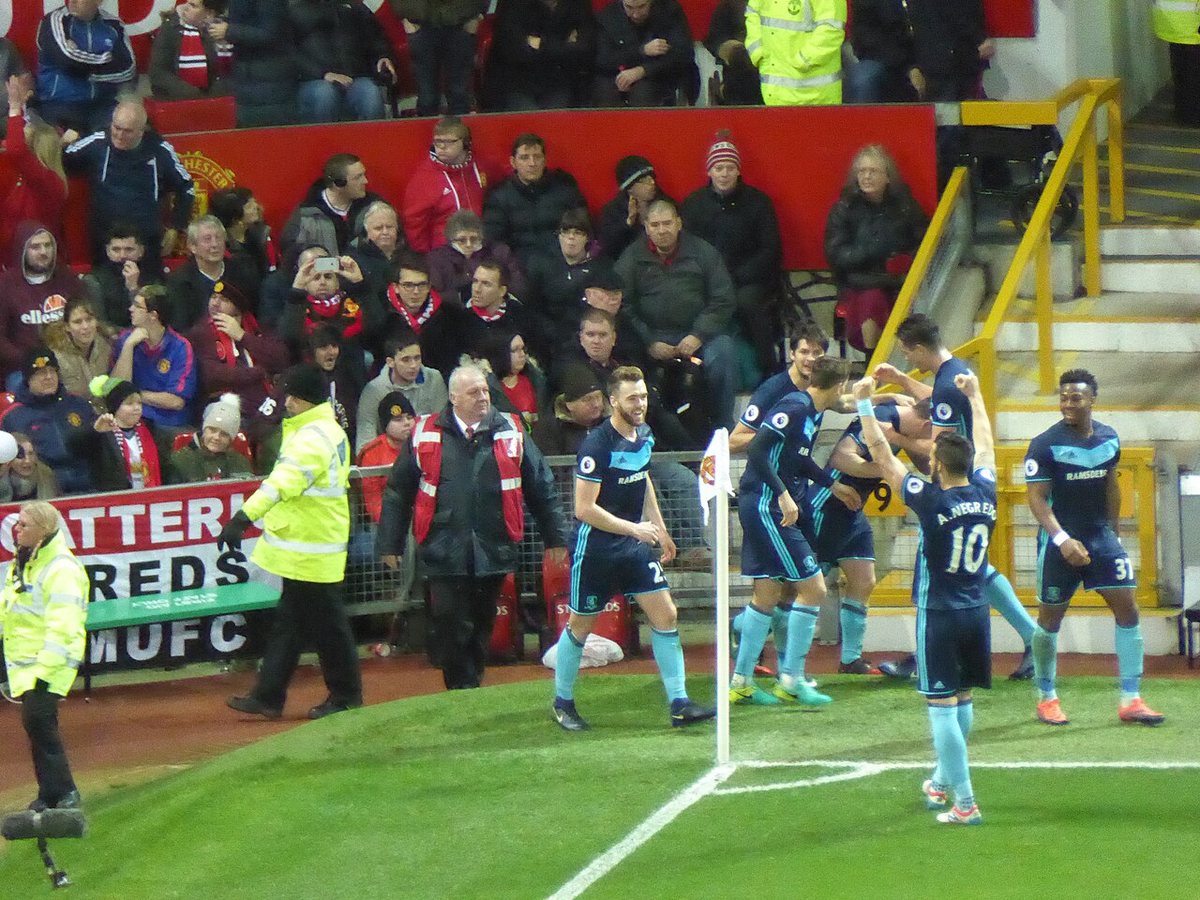
Middlesbrough v Millwall Postponed in Championship
Technology 122
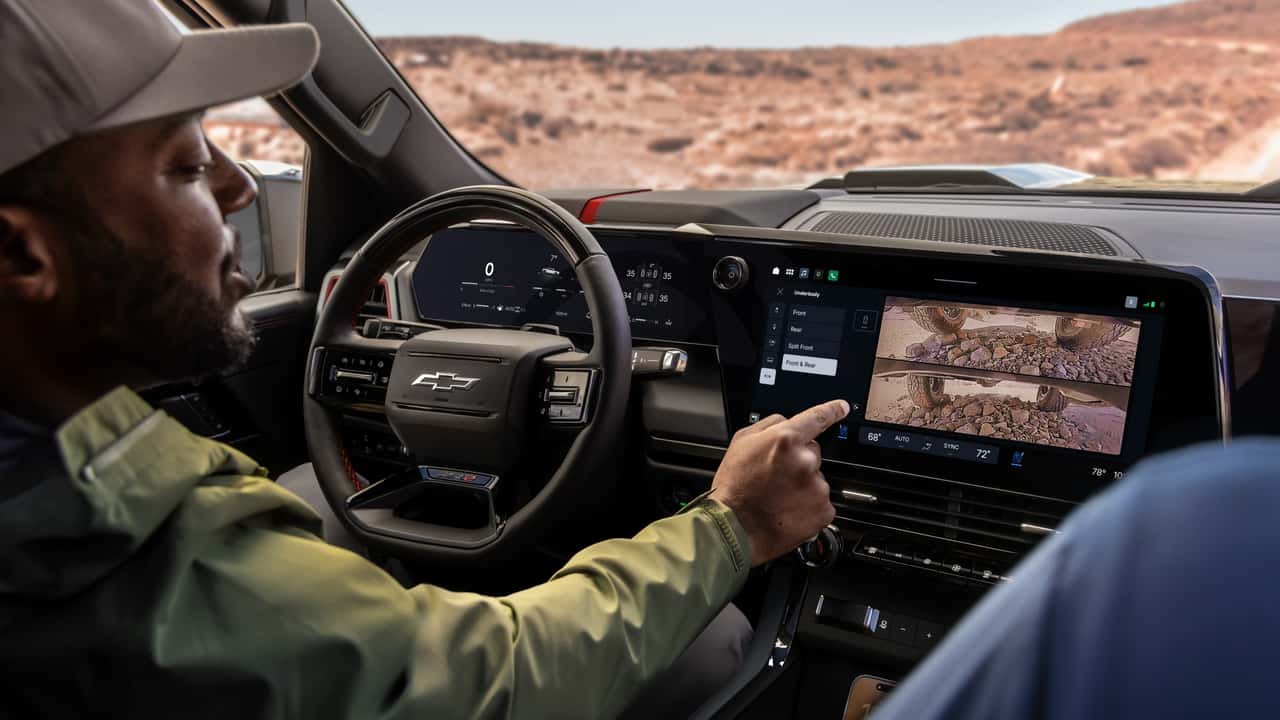
GM Reverses Course and Keeps Apple CarPlay in New Truck Interface
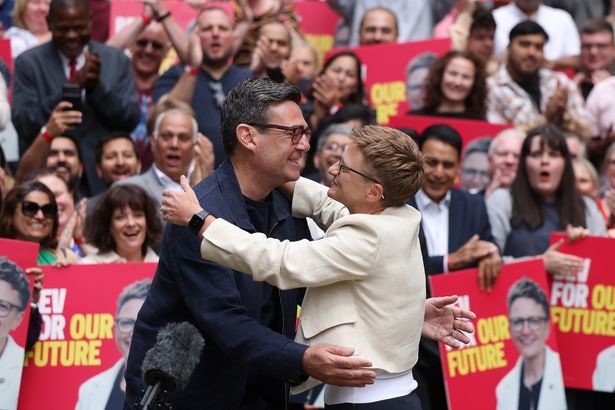
Labour's Bev Craig has won the Greater Manchester mayoral by-election, defeating Reform UK's Sian Astley in the final round after second-preference transfers. Labour's first-round vote fell to 47%, well below Andy Burnham's previous results.
By Eleanor Ellington · 3 min read
Labour's Bev Craig has been elected mayor of Greater Manchester, seeing off Reform UK's Sian Astley in the second round of counting to succeed Andy Burnham, who left the post after becoming prime minister, in what has been described as the largest by-election in British history.
Under the supplementary vote system, voters give first and second preferences. If nobody reaches more than 50% in the first round, the two leading candidates remain and second preferences are redistributed. Despite the Burnham bounce, Labour received only 47% of first-preference votes, a striking fall given that Mr Burnham never finished below 63% in any of his three mayoral campaigns. Once second preferences were allocated, however, an estimated seven in ten progressive voters who had backed other parties swung behind Ms Craig, turning what looked like a warning sign into a comfortable overall win.
The result gives Labour a new mayor in one of England's most important city regions, but the underlying numbers have caused unease in the party. Mr Burnham, now prime minister, dominated three mayoral campaigns, never finishing below 63%. Analysts framed the outcome as a comfortable victory with uncomfortable numbers, pointing to the gap between Labour's first-round share and the personal dominance Mr Burnham had enjoyed in previous elections.
Prime Minister Andy Burnham congratulated Ms Craig and immediately set her a challenge. He told her she was the right person to lead the region «into its best decade ever». Ms Craig, addressing Labour activists, promised to be at her desk on Monday morning «rising to the challenge, with even more power». She has said she intends to «get stuff done» and to build on Mr Burnham's legacy.
The result has also revived a wider debate about how progressive forces can win in an era of fragmented politics. Neal Lawson, director of the cross-party campaign group Compass, said the outcome placed progressives at the threshold of a new era, but only if they worked together. «Voters on the left are more fragmented than ever – but they will pull together behind a convincing cross-party message», he argued.
For Labour, the election illustrates both the strength and limits of the coalition Mr Burnham assembled. His personal appeal delivered dominant victories, but Ms Craig's first-round share suggests that such dominance cannot simply be inherited. The decisive intervention came from supporters of other progressive parties, whose second preferences lifted Labour over the line.
The Greater Manchester result is being watched closely by campaigners and party strategists as a test of how the left can respond to a more volatile electorate. With the supplementary vote rewarding cooperation between progressive parties, the lessons of this contest are likely to shape tactics well beyond the city region.