
Business 110
Dacia CEO Urges EU to Freeze Small Car Rules to Cut Prices
In this issue
Business 110
Dacia CEO Urges EU to Freeze Small Car Rules to Cut Prices
Culture 89
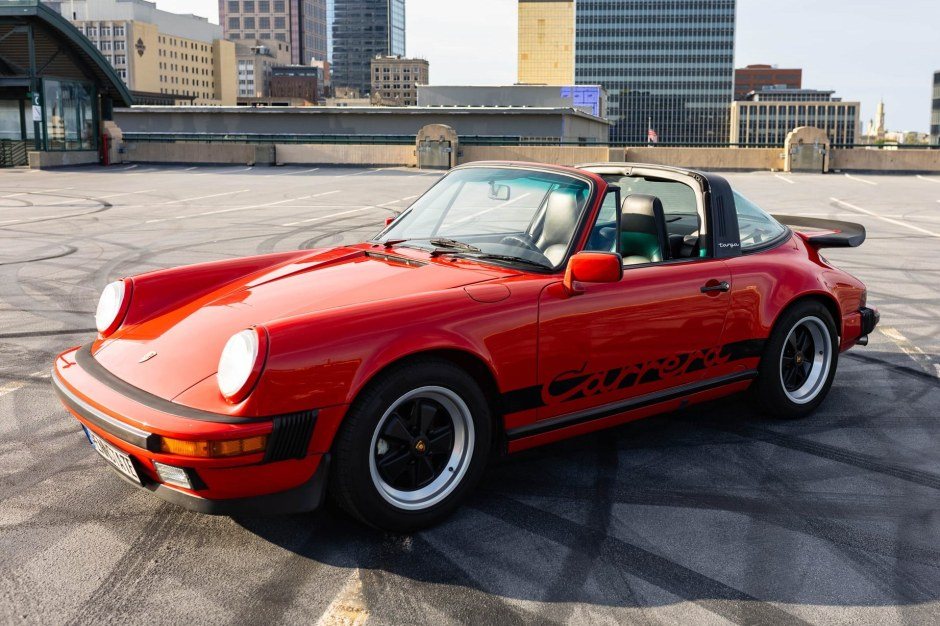
1988 Porsche 911 Carrera Targa G50 with Rebuilt Engine Heads to Auction
Economy 30
HMRC is writing to low earners about pension top-ups averaging about £70
News 124
Aftermarket Trackers Recover 99% of Stolen Cars as Factory Systems Fail
Politics 103
Met police open inquiry into alleged foreign donations to Reform UK
Sports 231
AMG GT Black Series Spied With Radical Aero Ahead of Nürburgring Record Attempt
Technology 117
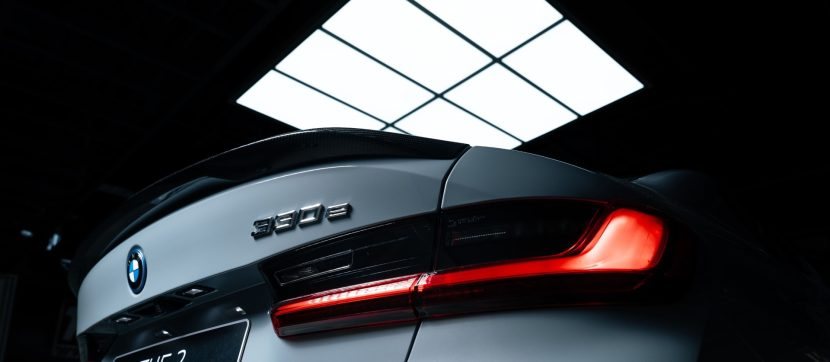
BMW Confirms Next 3 Series Will Retain Plug-In Hybrid Power
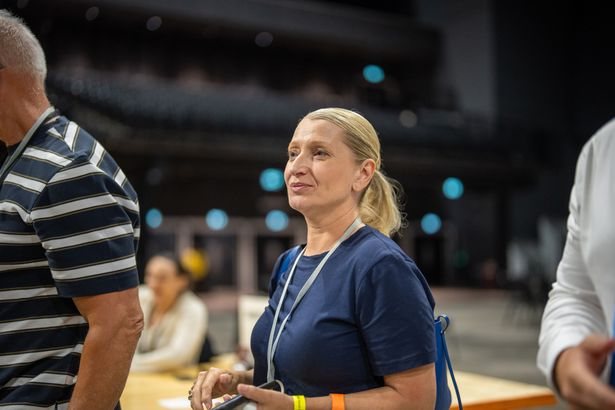
Labour has retained the Greater Manchester mayoralty after Bev Craig defeated Reform in a by-election to replace Andy Burnham, with the result confirmed more than 24 hours after polling closed.
By George Kensington · 3 min read
Labour has held the Greater Manchester mayoralty after Bev Craig, the leader of Manchester City Council, was declared the winner of a by-election in which Reform mounted the main challenge. Greater Manchester now has a new mayor, but the office remains in Labour hands after a result that was confirmed more than 24 hours after polling stations closed.
Craig replaces Andy Burnham, the outgoing mayor, and takes control of a combined authority whose powers span transport, housing, skills and economic development. Labour figures described the victory as dominant, with the party’s majority over Reform leaving no room for doubt about the overall winner.
Reform had been regarded as the principal threat to Labour in the contest. The party had looked to the by-election as a chance to demonstrate that its growing support in national polls could be converted into a major local victory. In the end, however, Labour’s vote held firm across the city-region and Reform was unable to close the gap.
The count proved to be a marathon affair. Polling stations closed on election day, but the declaration was delayed as counting stretched through the night and into the following afternoon. By the time Bev Craig was formally announced as the winner, more than 24 hours had passed since the last votes were cast.
The so-called «Burnham bounce» was cited by Labour as a decisive factor, with Andy Burnham’s popularity seen as giving Craig a significant advantage. Burnham became one of the most recognisable Labour figures outside Westminster, and his record in office helped shape the campaign.
Craig’s victory also marks a significant step in her own career, moving from the leadership of Manchester City Council to the mayoralty itself. She will take on the full powers of the office, with Labour’s majority in the by-election giving her a clear platform for the work ahead.
The by-election was watched closely across the country as a test of Labour’s strength in northern England and of Reform’s ability to mount a serious challenge in a major city-region. The outcome leaves the political geography of Greater Manchester unchanged, with Labour retaining a post it has occupied since the role of mayor was introduced.
Attention will now turn to the detailed results, including the exact number of votes secured by Reform and the pattern of support across the different parts of the city-region. The full breakdown will give a clearer picture of how far Reform travelled in its attempt to overtake Labour.
For now, the central fact is clear: Greater Manchester has a new mayor, and Labour has successfully defended the role against the strongest challenge Reform could offer.