
Business 110
Dacia CEO Urges EU to Freeze Small Car Rules to Cut Prices
In this issue
Business 110
Dacia CEO Urges EU to Freeze Small Car Rules to Cut Prices
Culture 89
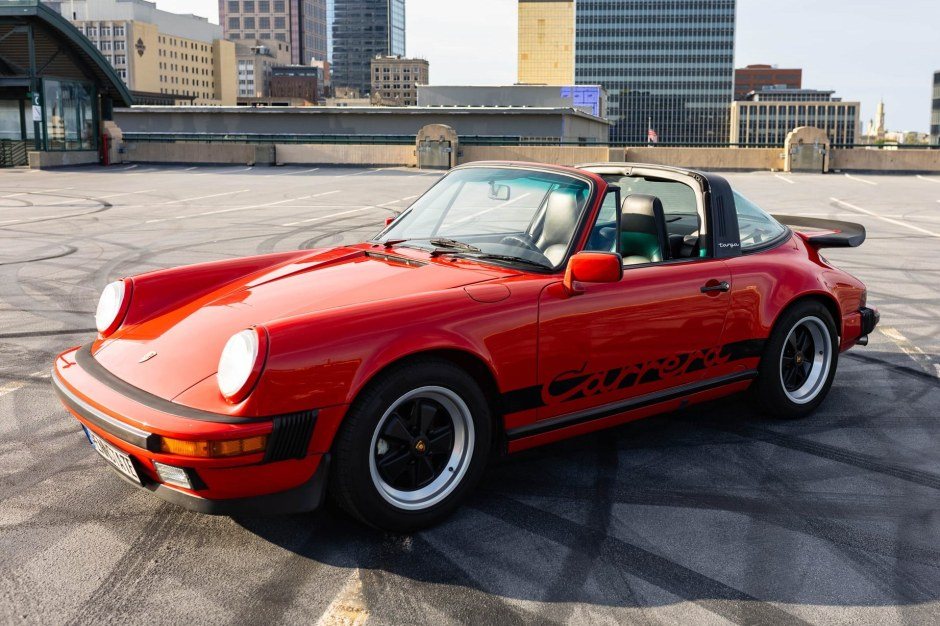
1988 Porsche 911 Carrera Targa G50 with Rebuilt Engine Heads to Auction
Economy 30
HMRC is writing to low earners about pension top-ups averaging about £70
News 124
Aftermarket Trackers Recover 99% of Stolen Cars as Factory Systems Fail
Politics 103
Met police open inquiry into alleged foreign donations to Reform UK
Sports 231
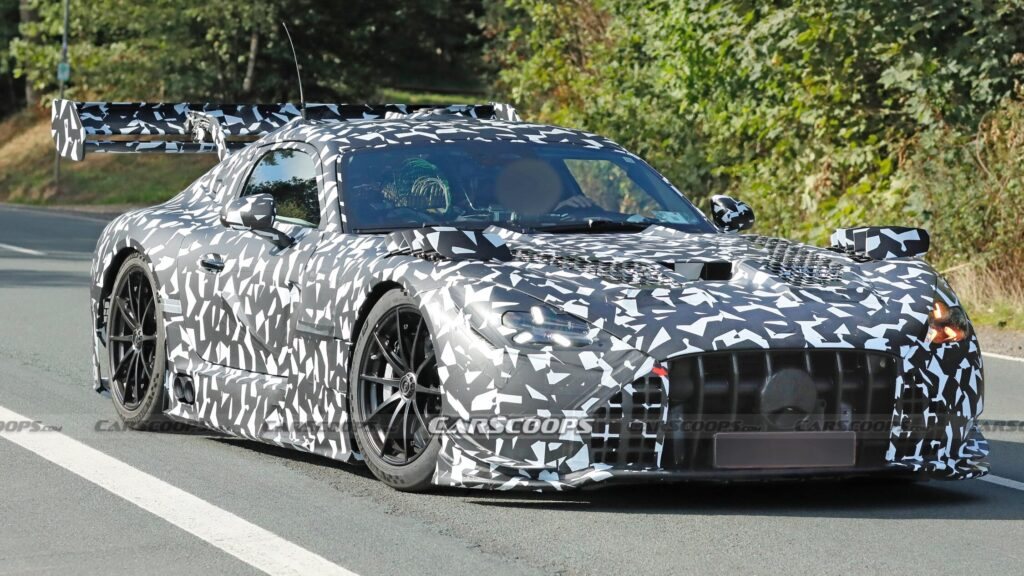
AMG GT Black Series Spied With Radical Aero Ahead of Nürburgring Record Attempt
Technology 117
BMW Confirms Next 3 Series Will Retain Plug-In Hybrid Power
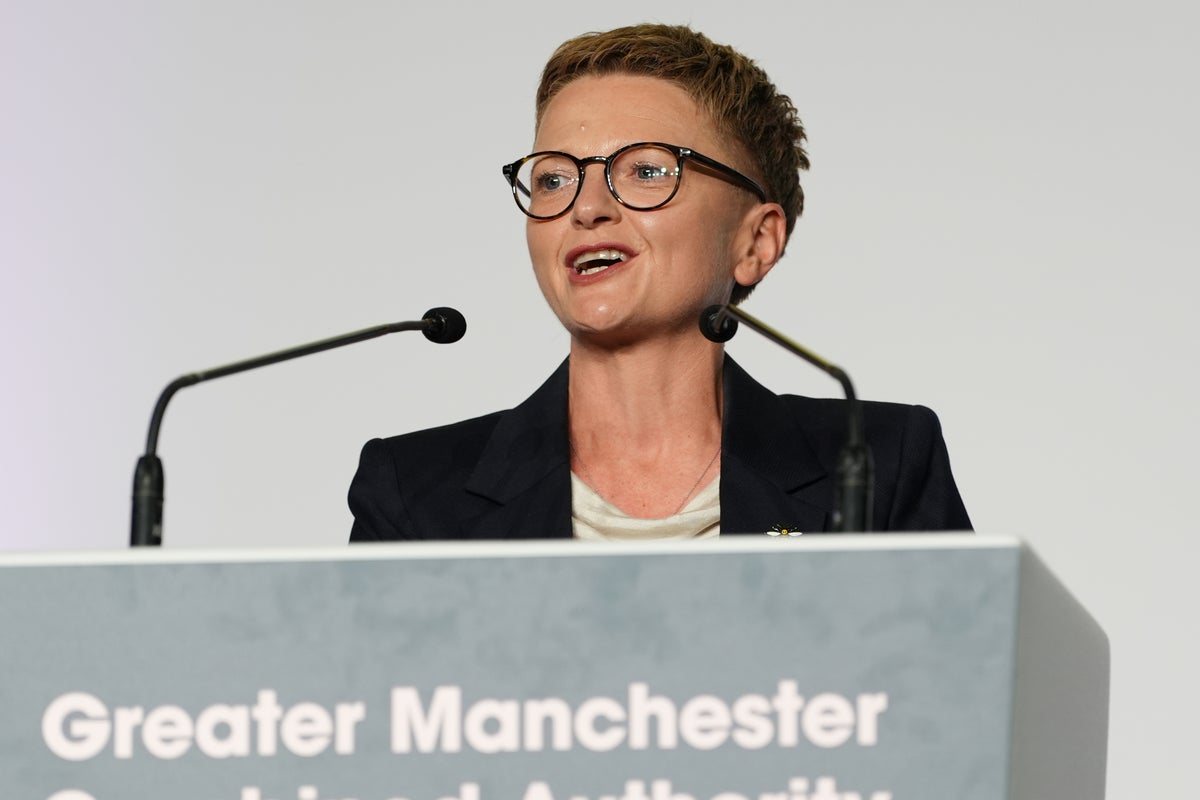
Labour’s Bev Craig has won a dominant victory in the Greater Manchester mayoral by-election, holding the post for the party after Andy Burnham’s departure to Downing Street.
By Eleanor Ellington · 4 min read
Labour has retained the Greater Manchester mayoralty after its candidate, Bev Craig, secured a dominant victory over Reform in the by-election triggered by Andy Burnham’s move to Downing Street. The result, announced after votes were counted across the combined authority, gives Labour a decisive hold on one of the most prominent elected offices in English local government.
Burnham stood down as mayor after becoming prime minister, forcing a contest that was described as the largest by-election in British history. With such a large electorate, the vote was seen as a major test of Labour’s strength in the region and of Reform’s ability to challenge the party’s dominance. Labour’s campaign drew heavily on the departing mayor’s record, and the result was widely linked to what the party has called a « Burnham bounce » — the idea that Burnham’s popularity in Greater Manchester would help his successor hold the post. That calculation proved correct, as Craig’s margin over Reform was never seriously in doubt.
Detailed local results released after the declaration underlined the scale of the victory. In Wigan, one of the ten boroughs that make up the combined authority, votes were reported in Ashton-in-Makerfield, Astley, Atherton, Hindley, Ince, Leigh, Lowton, Orrell, Pemberton, Shevington, Standish, Tyldesley and Wigan. The ward-by-ward returns confirmed that Labour’s support held up in both urban and rural parts of the region, leaving Reform with little room to claim a symbolic breakthrough. The Wigan figures were among the most closely watched because the borough includes a wide range of communities, from former industrial towns to smaller villages.
Craig will now take over the mayoralty from Burnham. The role, created as part of the devolution settlement for Greater Manchester, gives the officeholder significant powers over transport, housing and economic development. Her victory extends an unbroken run of Labour control of the mayoralty and ensures continuity at the top of the combined authority. The size of the win will also be seen in Westminster as evidence that Labour can withstand Reform pressure in northern England.
The result is likely to be studied closely by both Labour and Reform as they look towards the next round of elections. For Labour, the by-election offered reassurance that the party’s position in Greater Manchester is not dependent on Burnham alone. For Reform, the contest was an opportunity to demonstrate momentum in a part of the country where it has hoped to expand, but the final outcome showed Labour still holds a commanding advantage.
The full published results confirmed Craig’s majority and left no doubt about the political direction of the city region in the aftermath of Burnham’s departure. The new mayor will take office with a strong personal mandate, while Burnham moves on to national politics. For voters in Greater Manchester, the result means a change of leadership but no change of party, with Labour remaining in charge of the institution at the heart of the region’s devolved government.