
Business 110
Dacia CEO Urges EU to Freeze Small Car Rules to Cut Prices
In this issue
Business 110
Dacia CEO Urges EU to Freeze Small Car Rules to Cut Prices
Culture 89
1988 Porsche 911 Carrera Targa G50 with Rebuilt Engine Heads to Auction
Economy 30
HMRC is writing to low earners about pension top-ups averaging about £70
News 124
Aftermarket Trackers Recover 99% of Stolen Cars as Factory Systems Fail
Politics 103
Met police open inquiry into alleged foreign donations to Reform UK
Sports 231
AMG GT Black Series Spied With Radical Aero Ahead of Nürburgring Record Attempt
Technology 116
Waymo Expands Driverless Ride-Hailing to Las Vegas
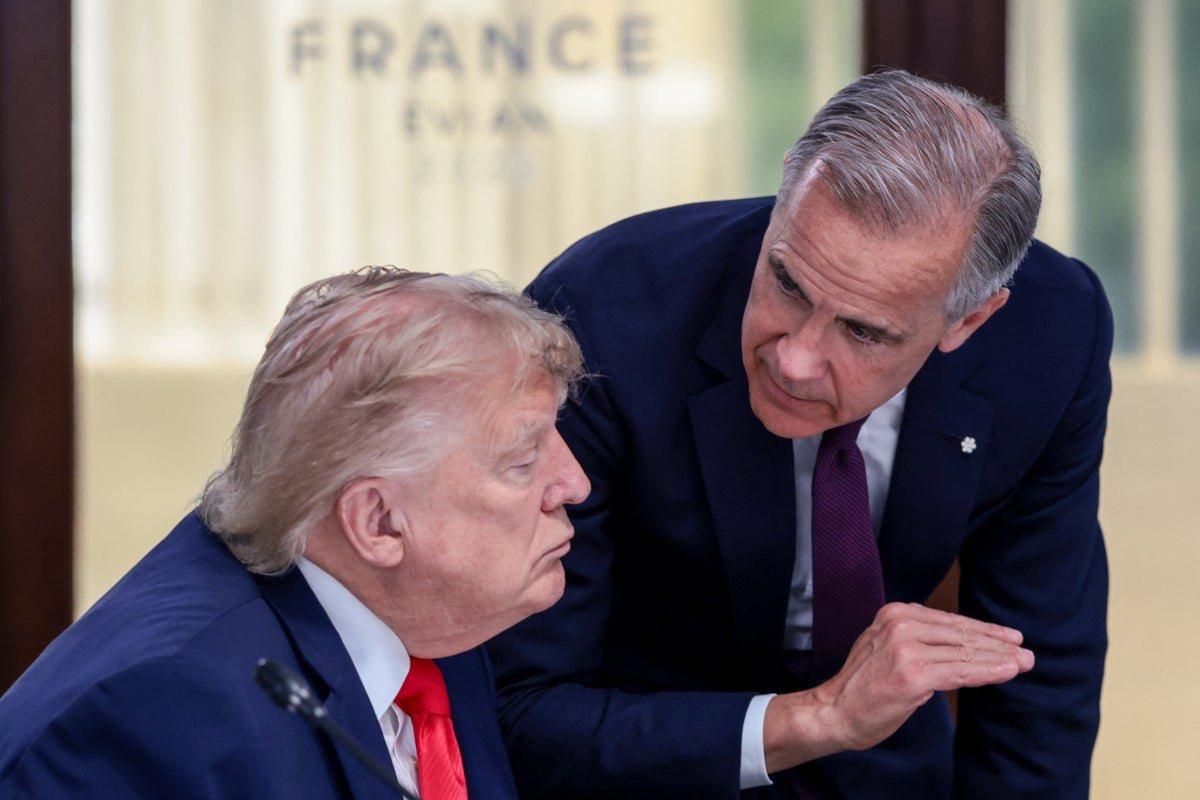
Canadian Prime Minister Mark Carney has signaled readiness to intensify trade negotiations with the United States as President Donald Trump reportedly prepares to impose new tariffs on a wide range of Canadian goods, escalating tensions between the two allies.
By Charlotte Redford · 5 min read
Canadian Prime Minister Mark Carney has announced that Canada is prepared to “intensify” trade talks with the United States, as President Donald Trump reportedly prepares to impose new tariffs on a broad range of Canadian goods. The move threatens to deepen the rift between the two neighbouring countries, already strained by a series of trade disputes and diplomatic tensions.
Speaking to reporters on Monday, Carney said Canada has put forward proposals aimed at resolving the ongoing trade disagreements. “We have made proposals to the United States to resolve this dispute,” Carney stated, without disclosing specific details of the offers. He emphasised that Canada remains committed to finding a negotiated solution but will not accept unfair treatment. “We are ready to intensify our engagement, but we will always defend Canadian interests,” he added.
The escalating trade conflict follows Trump’s decision to impose 50% tariffs on Canadian goods, ranging from alcohol to hockey sticks, over what the White House described as “continued discrimination” against US products. The tariffs, announced earlier this month, have sent shockwaves through Canadian industries, particularly the agricultural and manufacturing sectors, which rely heavily on cross-border trade.
The dispute took a personal turn over the weekend when Trump confronted Carney at the FIFA World Cup Final in New York. According to reports, the US president raised the issue of wildfire smoke drifting from Canada into US cities, blaming Canadian environmental policies for the air quality problems. The exchange, described by witnesses as tense, highlighted the growing animosity between the two leaders.
Trade experts warn that the imposition of new tariffs could have severe economic consequences for both countries. Canada is the United States’ second-largest trading partner, with bilateral trade in goods and services exceeding $700 billion annually. A prolonged trade war could disrupt supply chains, increase consumer prices, and harm jobs on both sides of the border.
“The tariffs are a blunt instrument that will hurt American consumers and businesses just as much as Canadian ones,” said Laura Dawson, a trade policy analyst at the Wilson Center. “We are seeing a breakdown in the rules-based trading system that has underpinned North American prosperity for decades.”
In response to the US tariffs, Canada has already announced retaliatory measures, including counter-tariffs on US steel, aluminium, and agricultural products. The Canadian government has also launched a formal complaint at the World Trade Organization, arguing that the US tariffs violate international trade rules.
Meanwhile, the political fallout from the trade dispute is being felt in both countries. In Canada, opposition parties have criticised Carney’s handling of the situation, accusing him of being too slow to respond to Trump’s aggressive trade tactics. In the United States, some Republican lawmakers have expressed concern about the impact of tariffs on their constituents, particularly in farming states that rely on Canadian exports.
The trade tensions come at a time of broader uncertainty in US-Canada relations. The two countries have also clashed over immigration policy, environmental regulations, and defence spending. Trump has repeatedly threatened to withdraw from the USMCA trade agreement, which replaced NAFTA in 2020, if Canada does not make further concessions.
Despite the heated rhetoric, both sides have indicated a willingness to continue negotiations. Carney said he hopes to speak with Trump in the coming days to de-escalate the situation. “Dialogue is always better than confrontation,” he said. “We are neighbours, partners, and allies. We must find a way forward that benefits both our peoples.”
The White House has not yet commented on Carney’s latest remarks, but a senior administration official told reporters that Trump is “determined to protect American workers and businesses from unfair trade practices.” The official added that the president is prepared to “go further” if Canada does not address US concerns.
As the deadline for the new tariffs approaches, businesses on both sides of the border are bracing for impact. Canadian exporters of lumber, dairy, and automotive parts are particularly vulnerable, while US retailers warn that higher tariffs will lead to increased prices for consumers. The coming weeks will be critical in determining whether the two countries can avert a full-blown trade war or whether the dispute will escalate further.