
Business 110
Dacia CEO Urges EU to Freeze Small Car Rules to Cut Prices
In this issue
Business 110
Dacia CEO Urges EU to Freeze Small Car Rules to Cut Prices
Culture 89
1988 Porsche 911 Carrera Targa G50 with Rebuilt Engine Heads to Auction
Economy 30
HMRC is writing to low earners about pension top-ups averaging about £70
News 124
Aftermarket Trackers Recover 99% of Stolen Cars as Factory Systems Fail
Politics 103
Met police open inquiry into alleged foreign donations to Reform UK
Sports 231
AMG GT Black Series Spied With Radical Aero Ahead of Nürburgring Record Attempt
Technology 117
BMW Confirms Next 3 Series Will Retain Plug-In Hybrid Power
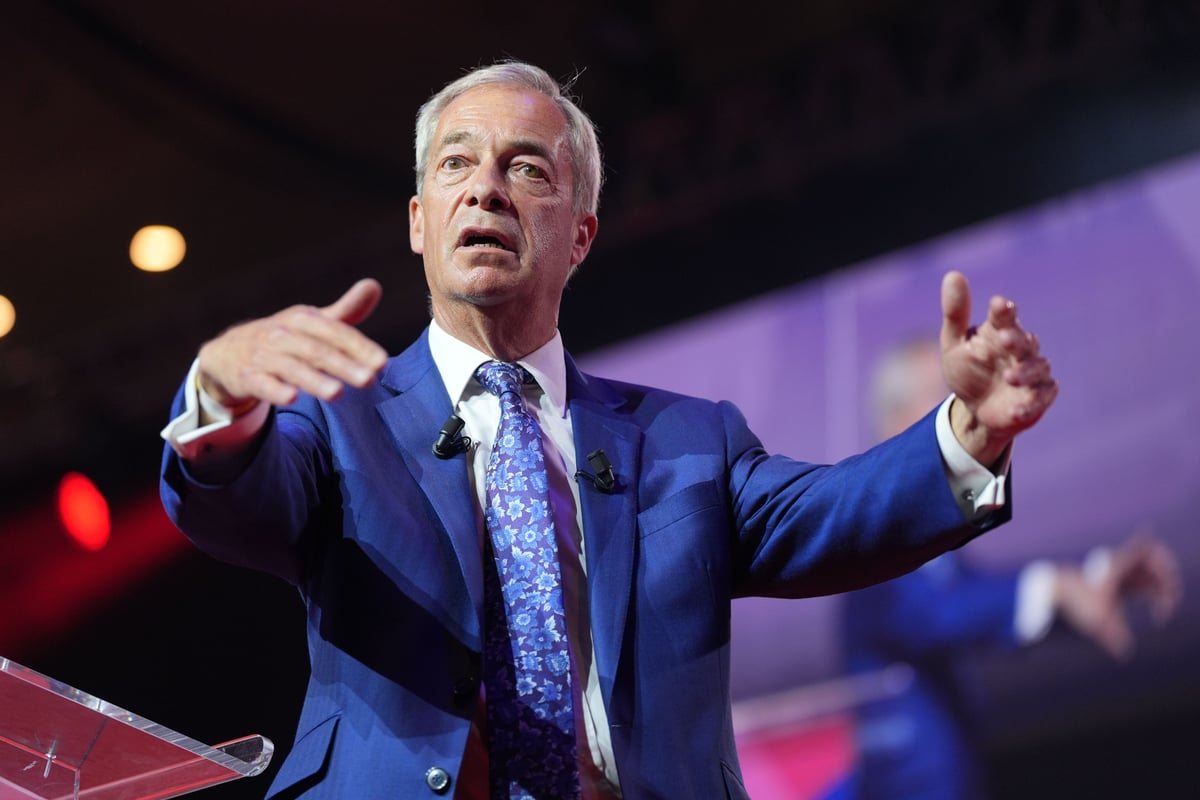
Reform UK leader Nigel Farage has called for an immediate general election, arguing that Sir Keir Starmer's successor Andy Burnham has no mandate to govern. Farage claimed his party could produce a 'historic upset' and warned that 'nothing will get better' under Burnham's leadership.
By George Kensington · 5 min read
Reform UK leader Nigel Farage has demanded an immediate general election, claiming that Sir Keir Starmer's successor as Labour leader, Andy Burnham, has no mandate to govern the country. Speaking at the first Conservative Political Action Conference (CPAC) held in London, Farage launched a scathing attack on the new Labour leader, arguing that the British public did not vote for Burnham to become prime minister.
Farage insisted that Burnham, who is set to become prime minister on Monday, lacks the democratic legitimacy to lead the nation. He warned that under Burnham's leadership, 'nothing will get better' and called for a snap election to allow voters to decide the country's future direction. The Reform UK leader claimed his party could produce a 'historic upset' in such a contest, framing the potential vote as a 'battle for the soul of the nation'.
The demand comes after Starmer announced his resignation as Labour leader and prime minister, paving the way for Burnham to take over. Burnham, the Mayor of Greater Manchester, was elected as Labour leader in a recent party contest, but Farage argued that this internal process does not equate to a national mandate. He pointed out that millions of voters who supported other parties in the last general election did not consent to Burnham becoming prime minister without a fresh vote.
Farage's comments reflect a broader political tension in the UK, where the transfer of power within a governing party without a general election has historically sparked debate about democratic accountability. The Reform UK leader has long advocated for electoral reform and has positioned his party as a challenger to the established political order. He argued that the Conservative Party's failures and Labour's internal changes have left the country without effective leadership.
During his CPAC speech, Farage also criticised Burnham's record as Mayor of Greater Manchester, accusing him of mismanaging public services and failing to deliver on key promises. He claimed that Burnham's policies on transport, health, and housing have been inadequate and that his elevation to prime minister would exacerbate existing problems. Farage urged voters to support Reform UK in any future election, promising to 'take on the establishment' and restore democratic principles.
The call for an immediate election has been met with mixed reactions. Supporters of Reform UK have rallied behind Farage, viewing his demand as a necessary challenge to what they see as an unaccountable political elite. Critics, however, have dismissed the move as opportunistic, noting that Farage has never won a seat in the House of Commons despite multiple attempts. Political analysts have pointed out that while Farage's rhetoric resonates with a segment of the electorate, his party's electoral performance has yet to translate into significant parliamentary representation.
The situation has also drawn attention to the broader state of British politics, with questions about the legitimacy of mid-term leadership changes. Constitutional experts have noted that the UK's unwritten constitution allows for a new prime minister to be appointed without a general election if they can command a majority in the House of Commons. However, they acknowledge that such transitions can fuel public discontent and calls for reform.
Burnham's team has so far declined to respond directly to Farage's demands, focusing instead on preparing for the transition of power. The new Labour leader is expected to outline his policy priorities in the coming days, with an emphasis on economic recovery, public services, and regional development. Burnham has previously stated his commitment to governing for all parts of the country, including those that did not vote for Labour.
As the political landscape shifts, Farage's call for an election has added a new layer of uncertainty to the UK's immediate future. Whether the demand will gain traction remains to be seen, but it has already reignited debates about the relationship between party leadership contests and national democratic mandates. For now, the country awaits Burnham's first moves as prime minister, with Reform UK positioning itself as a vocal opposition force both inside and outside Parliament.