Business 110
Dacia CEO Urges EU to Freeze Small Car Rules to Cut Prices
In this issue
Business 110
Dacia CEO Urges EU to Freeze Small Car Rules to Cut Prices
Culture 89
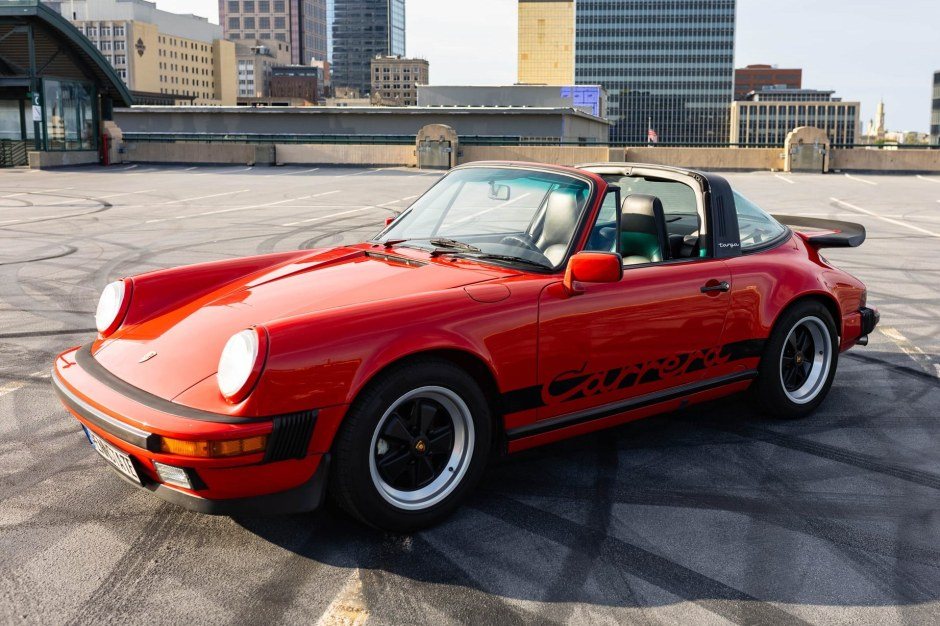
1988 Porsche 911 Carrera Targa G50 with Rebuilt Engine Heads to Auction
Economy 30
HMRC is writing to low earners about pension top-ups averaging about £70
News 124
Aftermarket Trackers Recover 99% of Stolen Cars as Factory Systems Fail
Politics 103
Met police open inquiry into alleged foreign donations to Reform UK
Sports 231
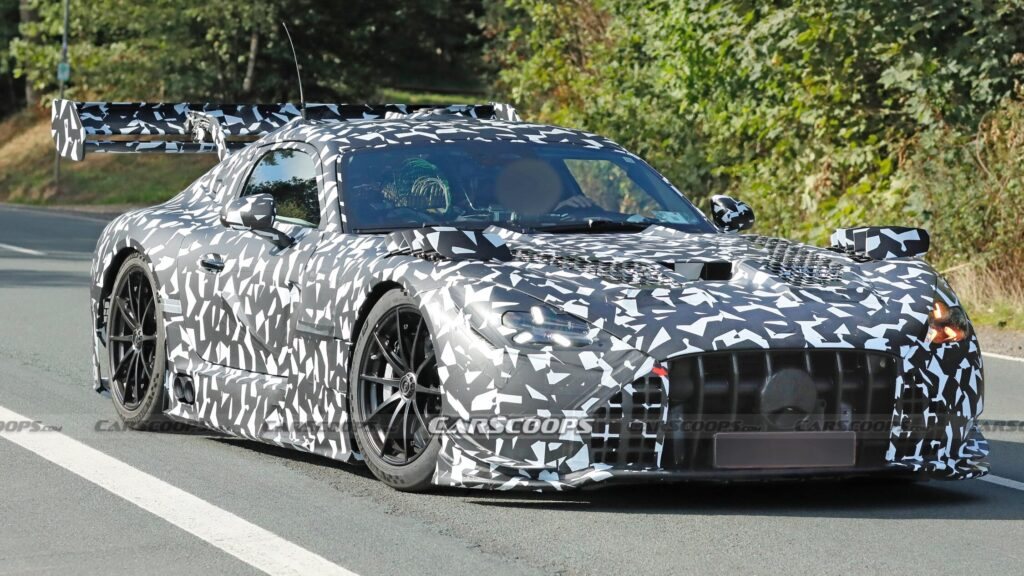
AMG GT Black Series Spied With Radical Aero Ahead of Nürburgring Record Attempt
Technology 117
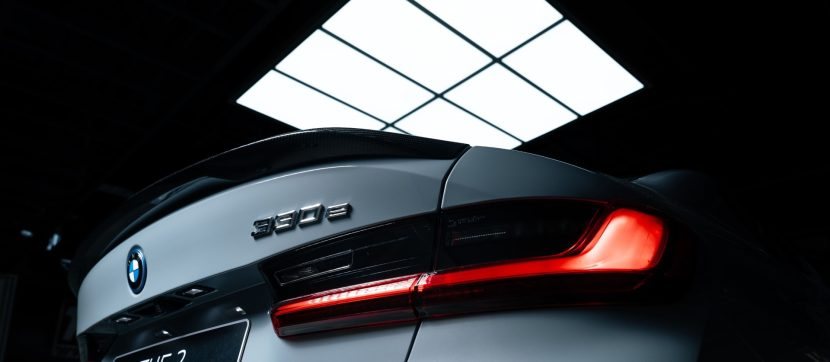
BMW Confirms Next 3 Series Will Retain Plug-In Hybrid Power
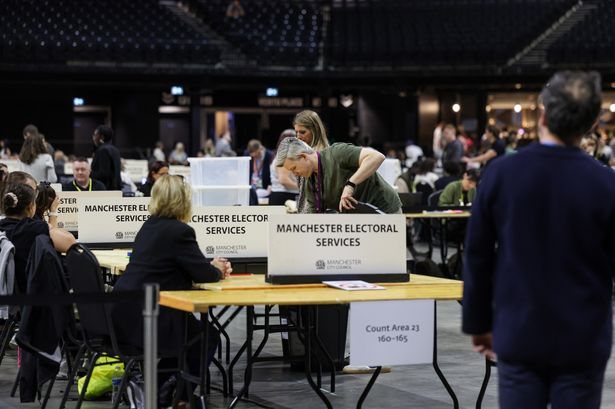
More than half a million people voted in the Greater Manchester mayoral by-election, but turnout fell to a record low. Labour's Bev Craig is favourite to succeed Andy Burnham as Reform UK stumbled.
By Eleanor Ellington · 3 min read
More than half a million people voted in the Greater Manchester mayoral by-election, but the contest has recorded the lowest turnout ever seen for the role. The vote was the largest by-election in British history, with more than two million residents across the region's ten boroughs eligible to take part. The scale of the electorate made the ballot a landmark event, yet the level of participation was described as historically low.
Turnout figures for every borough confirmed that most of those entitled to vote stayed at home, leaving the next mayor to be elected by a fraction of the population. The overall total of more than 500,000 ballots was far below the number of people registered to vote. Across Greater Manchester, more than two million names were on the electoral roll, meaning the majority of voters who could have taken part chose not to do so. The borough-by-borough breakdown is likely to be studied for signs of where support for the candidates was strongest and where turnout was lowest.
Counting continued after the polls closed, and the result was due to be announced soon. Labour said it was confident in its candidate, Bev Craig, who is favourite to succeed Andy Burnham as Mayor of Greater Manchester. The contest was expected to go to a second count before the winner could be confirmed, with Labour confident that the mayoralty would remain in the party's hands. A result was not expected to be known until the count had been completed and all votes checked.
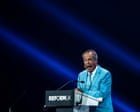
Early indications pointed to a difficult night for Reform UK, the party led by Nigel Farage, whose performance appeared to stumble as the count progressed. Reform's showing in Greater Manchester was among the most closely watched elements of the night.
Because the by-election covered all ten boroughs rather than a single constituency, it was the largest vote of its kind ever held in the United Kingdom. The fact that it also produced the lowest turnout for the mayoralty is likely to be examined by party strategists and campaign groups. The combination of a record electorate and a record low participation rate makes the result a significant political data point.
Turnout data for each borough was published as counting continued, offering a detailed picture of participation across the region. The final result, when it is declared, will confirm who succeeds Andy Burnham and complete one of the largest electoral exercises ever staged in Britain.