
Business 110
Dacia CEO Urges EU to Freeze Small Car Rules to Cut Prices
In this issue
Business 110
Dacia CEO Urges EU to Freeze Small Car Rules to Cut Prices
Culture 89
1988 Porsche 911 Carrera Targa G50 with Rebuilt Engine Heads to Auction
Economy 30
HMRC is writing to low earners about pension top-ups averaging about £70
News 124
Aftermarket Trackers Recover 99% of Stolen Cars as Factory Systems Fail
Politics 103
Met police open inquiry into alleged foreign donations to Reform UK
Sports 231
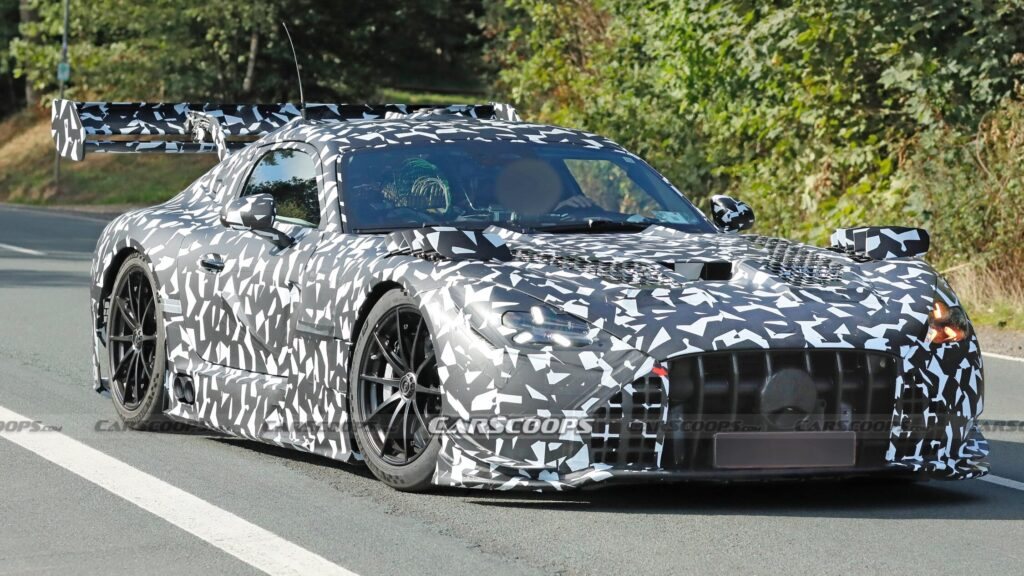
AMG GT Black Series Spied With Radical Aero Ahead of Nürburgring Record Attempt
Technology 116
Waymo Expands Driverless Ride-Hailing to Las Vegas
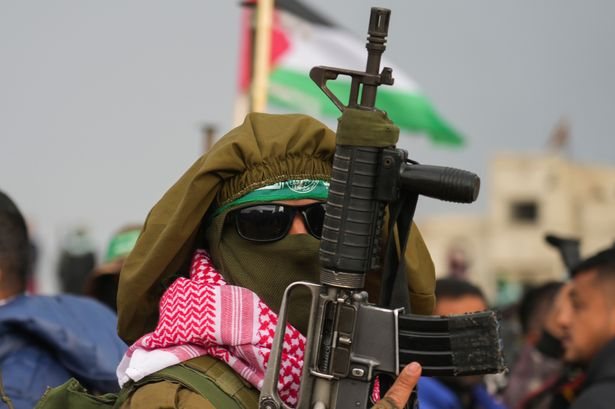
A senior Hamas official has said the group will disarm under a plan promoted by the Board of Peace set up by Donald Trump, but warned that the agreement depends on Israel completing a full withdrawal from the Strip.
By Charlotte Redford · 4 min read
Hamas has said it will hand over its weapons to a new Gaza administration created under a plan promoted by the Board of Peace set up by Donald Trump, but a senior official has warned that the deal depends on a full Israeli withdrawal from the Strip.
The plan was announced by Mr Trump last night, with the US president claiming that an agreement had been reached for the complete disarmament of Hamas and other armed groups in Gaza, together with the withdrawal of Israeli troops. He described it as a historic step towards peace. Ghazi Hamad, a senior Hamas figure, said the group would surrender its arms to the new body set up under the plan.
Mr Hamad, however, stressed that the arrangement was conditional. The handover would only go ahead if Israel honoured its side of the agreement and withdrew from Gaza, he indicated. The qualification highlighted the fragility of a deal that Washington has presented as a breakthrough after more than three years of conflict.
The plan is centred on the Board of Peace, a body established by Mr Trump, which would create the new administration to take charge in Gaza. Hamas would hand over its weapons to that administration. The Board has been promoted by Mr Trump as the framework for ending the conflict. The precise mechanics of the disarmament and the formation of the new administration have not been set out in detail, and it remains unclear whether the deal has the support of all armed factions operating in the Strip.
In Gaza, the response was subdued. Hani Mahmoud, a journalist reporting from Gaza City in the north of the Strip, said Palestinians had greeted the news with scepticism and caution. After three years of war, during which they had heard repeated statements about their fate, there was little joy or celebration on the streets. Many residents were waiting to see whether the latest promises would lead to real change. For many, it was another chapter in a long sequence of diplomatic statements rather than a turning point. The cautious mood reflected years in which statements about the future of Gaza had not translated into a settled peace.
The current war began three years ago, and the Gaza Strip has been at the centre of a conflict that has repeatedly frustrated attempts at a ceasefire. The proposed disarmament would mark one of the most significant shifts in the conflict if implemented, with Hamas agreeing to give up its arsenal and a new administration taking over. The demand for complete disarmament is at the heart of the proposed deal, and previous attempts to reach a settlement have stalled. Yet the agreement remains conditional, and the Israeli withdrawal on which it hinges has not been confirmed. Until that happens, the fate of the plan remains uncertain.
The announcement marked a potential turning point in the conflict, but support for the plan appears uncertain. Palestinians in Gaza appeared to reserve judgment, mindful of earlier statements about their future that did not come to pass. Beyond Gaza, the region remains volatile: Saudi Arabia was reported to be preparing a sea and possible land offensive against Houthi forces, a reminder that the wider Middle East crisis continues to hold multiple flashpoints.