
Business 110
Dacia CEO Urges EU to Freeze Small Car Rules to Cut Prices
In this issue
Business 110
Dacia CEO Urges EU to Freeze Small Car Rules to Cut Prices
Culture 89
1988 Porsche 911 Carrera Targa G50 with Rebuilt Engine Heads to Auction
Economy 30
HMRC is writing to low earners about pension top-ups averaging about £70
News 124
Aftermarket Trackers Recover 99% of Stolen Cars as Factory Systems Fail
Politics 103
Met police open inquiry into alleged foreign donations to Reform UK
Sports 231
AMG GT Black Series Spied With Radical Aero Ahead of Nürburgring Record Attempt
Technology 117
BMW Confirms Next 3 Series Will Retain Plug-In Hybrid Power
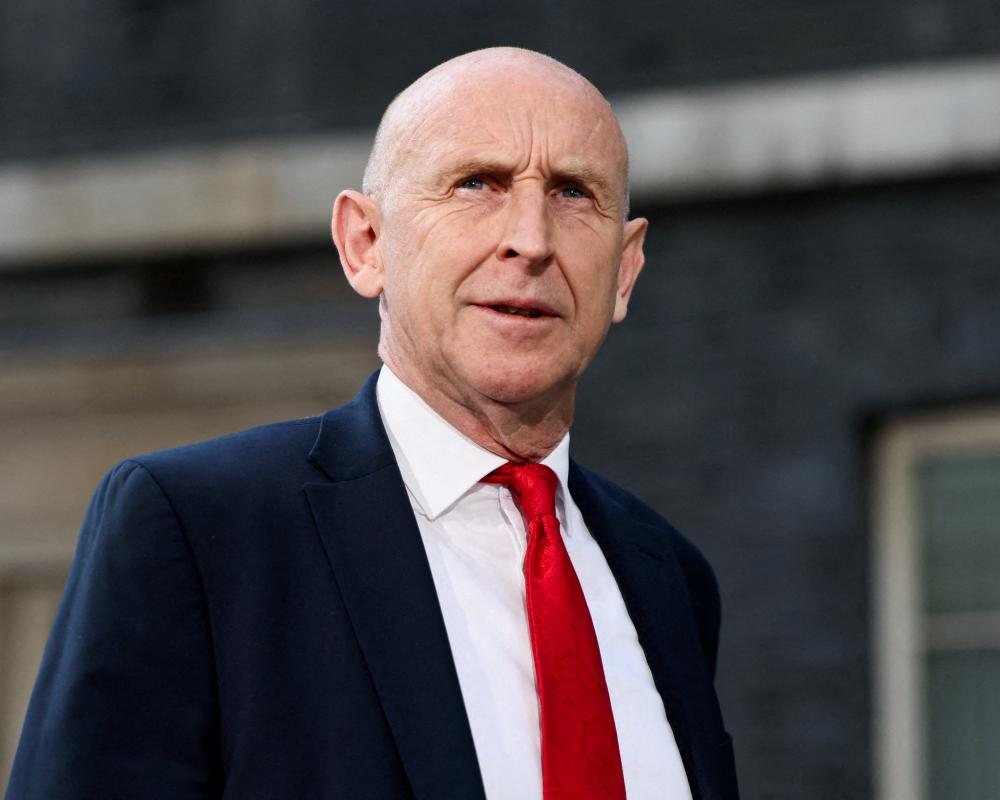
Andy Burnham's appointment of John Healey as chancellor blindsided Labour insiders after weeks of intense lobbying by senior figures including Ed Miliband, Shabana Mahmood and Rachel Reeves.
By Eleanor Ellington · 5 min read
John Healey has been appointed chancellor of the exchequer in a surprise move by incoming prime minister Andy Burnham, ending weeks of intense behind-the-scenes lobbying by senior Labour figures for the top Treasury job. The decision, announced on Monday, blindsided even those at the highest levels of the party, according to Labour MPs and party insiders.
Healey, who served as defence secretary in the previous Labour government, replaces Rachel Reeves in the role. The appointment came after a period of fierce briefing wars in which allies of Ed Miliband, Shabana Mahmood and Reeves herself had pushed hard for their preferred candidates to take the helm of the country's finances. Burnham, however, remained characteristically tight-lipped throughout the process, telling an interviewer just days earlier that he had a sealed black box containing his ministerial picks and major policy announcements.The black box is still sealed,
he said, even as he prepared to enter Downing Street.
The move has been interpreted by political observers as a signal of Burnham's determination to assert his own authority over the cabinet formation process, resisting pressure from powerful party factions. One Labour MP, speaking on condition of anonymity, said:We did not see this coming. But that is probably a sign that it is a good decision.
The sentiment reflects a broader sense within the party that Burnham's willingness to defy expectations could mark a shift in Labour's internal dynamics.
In a wider cabinet reshuffle, Ed Miliband was appointed foreign secretary, while Shabana Mahmood retained her position as home secretary. The appointments suggest a blend of continuity and change, with Mahmood's retention signalling stability in the Home Office, while Miliband's move to the Foreign Office places a prominent figure from the party's left wing in a key diplomatic role. The reshuffle has been described by party insiders as aclear-out
of the previous cabinet, with several ministers moved or replaced.
The lobbying that preceded the announcement was unusually intense, even by Westminster standards. Allies of Miliband had been briefing journalists for weeks about his suitability for a senior economic role, while supporters of Mahmood and Reeves also made their cases publicly and privately. The campaign on behalf of Reeves, who had been widely expected to retain the Treasury brief, was particularly vigorous. However, Burnham's decision to appoint Healey — a figure seen as a safe pair of hands with extensive ministerial experience — caught many off guard.
Healey, who has served as an MP since 1997, is known for his steady leadership at the Ministry of Defence, where he oversaw a period of significant policy changes. His appointment to the Treasury is seen as a move to bring fiscal credibility and experience to the heart of government, particularly as the UK faces ongoing economic challenges including inflation, public sector borrowing, and the cost of living crisis. The new chancellor will be expected to deliver a budget in the coming months that balances Labour's spending commitments with the need for fiscal discipline.
The cabinet formation process has also highlighted the shifting power dynamics within the Labour Party. Burnham, who won a decisive mandate in the recent general election, has signalled that he intends to govern from the centre-left, drawing on a broad coalition of party figures while maintaining his own independence. The appointment of Healey, who is not aligned with any particular faction, is consistent with this approach.
Political analysts have noted that the briefing wars themselves reflect a party still adjusting to life in government after a long period in opposition. The competition for top jobs is a normal part of any incoming administration, but the intensity of the lobbying in this case suggests that the Labour Party is still navigating internal rivalries and ambitions. Burnham's ability to manage these tensions will be closely watched in the coming weeks and months.
For now, the new cabinet is expected to begin work immediately, with Healey set to meet Treasury officials and begin preparations for the first fiscal event of the new government. The prime minister's office has indicated that further junior ministerial appointments will be announced in the coming days, as Burnham completes the formation of his government.