
Business 110
Dacia CEO Urges EU to Freeze Small Car Rules to Cut Prices
In this issue
Business 110
Dacia CEO Urges EU to Freeze Small Car Rules to Cut Prices
Culture 89
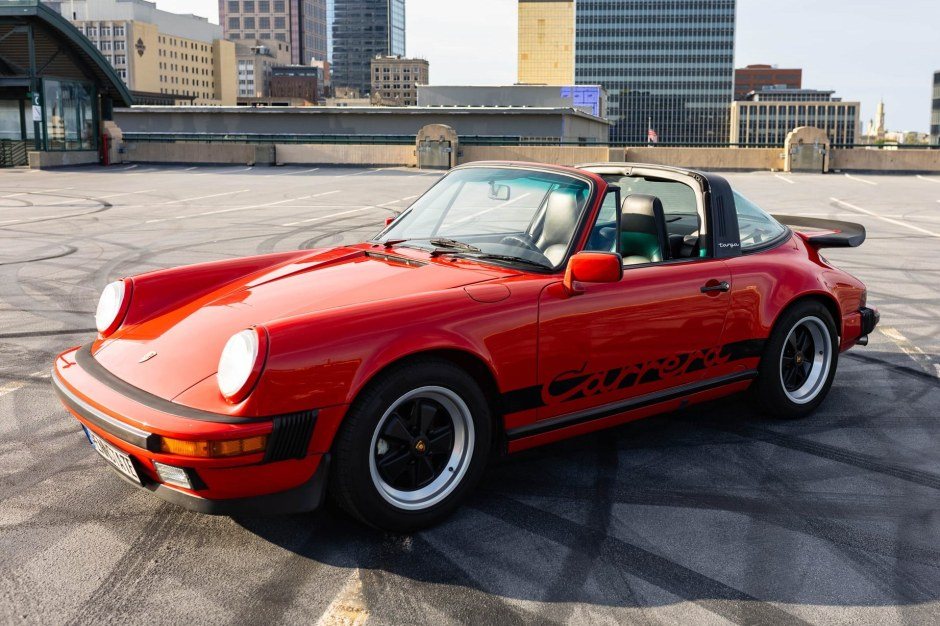
1988 Porsche 911 Carrera Targa G50 with Rebuilt Engine Heads to Auction
Economy 30
HMRC is writing to low earners about pension top-ups averaging about £70
News 124
Aftermarket Trackers Recover 99% of Stolen Cars as Factory Systems Fail
Politics 103
Met police open inquiry into alleged foreign donations to Reform UK
Sports 231
AMG GT Black Series Spied With Radical Aero Ahead of Nürburgring Record Attempt
Technology 117
BMW Confirms Next 3 Series Will Retain Plug-In Hybrid Power
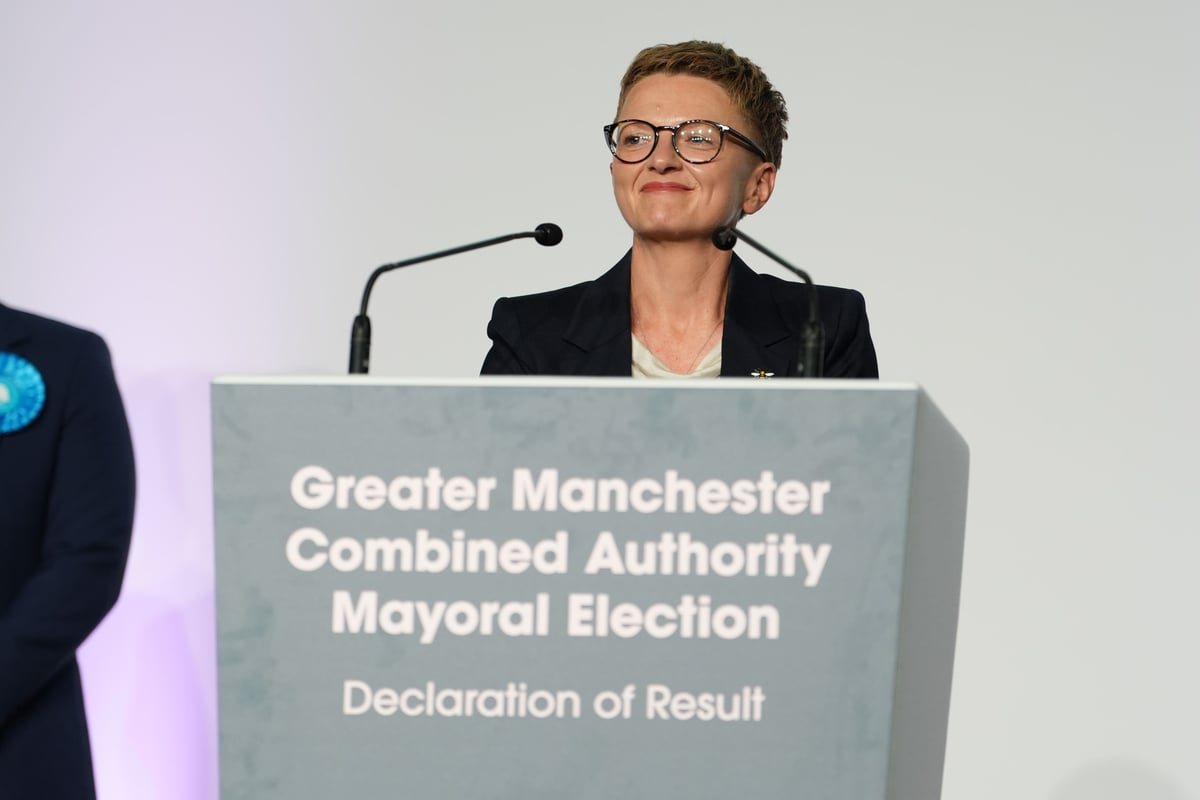
Bev Craig has won the Greater Manchester mayoral by-election for Labour, succeeding Andy Burnham with a decisive victory after a vote count that lasted more than 24 hours.
By George Kensington · 3 min read
Labour's Bev Craig has won the Greater Manchester mayoral by-election, securing a decisive victory that will see her succeed Andy Burnham in one of the most powerful political positions outside Westminster.
Craig, the leader of Manchester city council, was declared the winner more than 24 hours after polling stations closed, bringing a marathon vote count to an end.
The result was a decisive one for Labour. The party did not simply hold the mayoralty; it also won back support in areas that had recently fallen to Reform UK and the Greens, recovering ground that had been lost during the May elections.
Reform UK had made gains in several parts of Greater Manchester in May, a performance that raised questions about Labour's grip on the region. The by-election outcome suggests those losses have been at least partially reversed, with Labour reasserting itself in communities where voters had previously drifted towards other parties.
The victory has a significance that extends beyond the region itself. By-elections for major city-region posts are widely read as a gauge of the national political mood, and a decisive Labour win in Greater Manchester will be studied by all parties as evidence of how support is shifting in urban England.
For Labour, the contest was about more than retaining a single office. The Greater Manchester mayoralty is one of the most influential elected posts in British politics outside Westminster, with responsibility for a substantial budget and policy areas ranging from transport and housing to economic development across the region's ten boroughs.
Craig takes over from Burnham, who became one of the most prominent Labour politicians in the country during his time in office. His departure triggered the by-election and set up a contest closely watched as a measure of Labour's standing in the north of England.
The length of the count added to the drama of the occasion. More than 24 hours passed between the close of polling and the declaration, prolonging the wait for candidates, campaign teams and voters alike. When the result finally came, it gave Labour a convincing victory to celebrate.
The win will be seen as a boost for Labour as it seeks to consolidate its position across northern England. Winning back areas from Reform UK and the Greens is likely to reassure party strategists that the losses recorded in May were not the beginning of a longer decline in support.
For Craig, the victory marks a step up from leading the city council to holding one of the most prominent regional offices in the country. Her tenure will be watched closely as a test of Labour's ability to hold support in a region where smaller parties have been making inroads, and as a sign of whether the party can carry its recent momentum into future contests.