Business 110
Dacia CEO Urges EU to Freeze Small Car Rules to Cut Prices
In this issue
Business 110
Dacia CEO Urges EU to Freeze Small Car Rules to Cut Prices
Culture 89
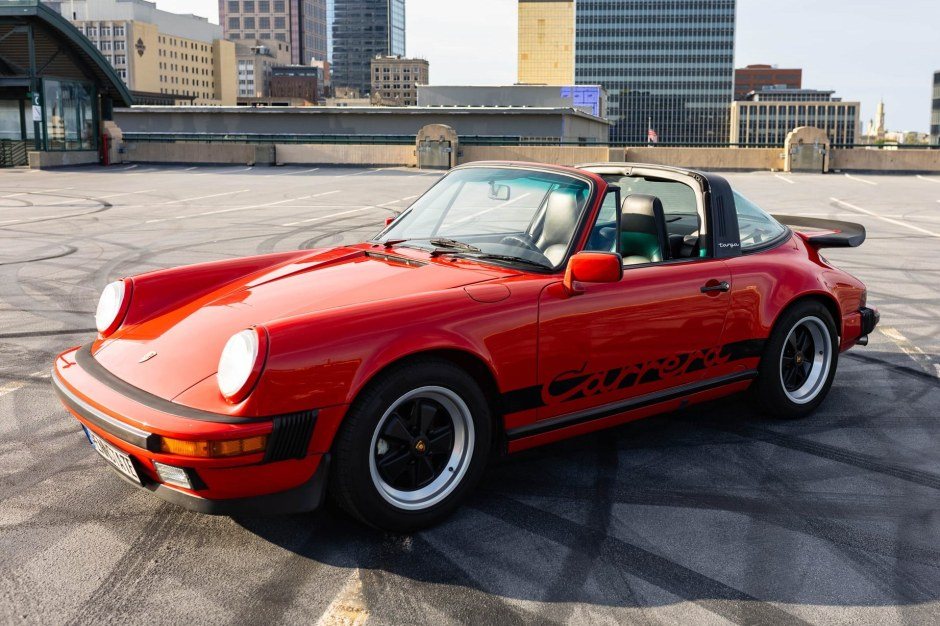
1988 Porsche 911 Carrera Targa G50 with Rebuilt Engine Heads to Auction
Economy 30
HMRC is writing to low earners about pension top-ups averaging about £70
News 124
Aftermarket Trackers Recover 99% of Stolen Cars as Factory Systems Fail
Politics 103
Met police open inquiry into alleged foreign donations to Reform UK
Sports 231
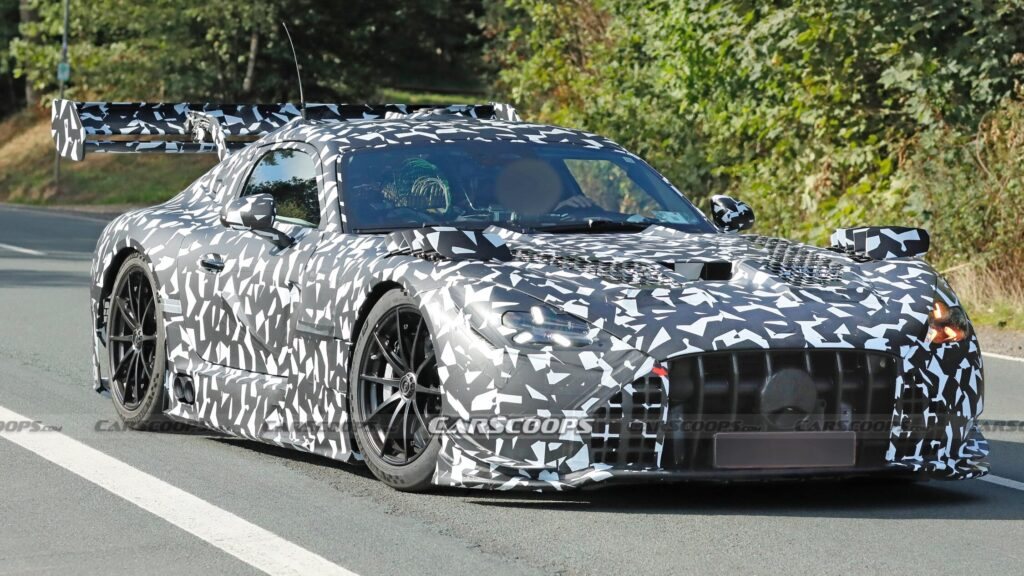
AMG GT Black Series Spied With Radical Aero Ahead of Nürburgring Record Attempt
Technology 117
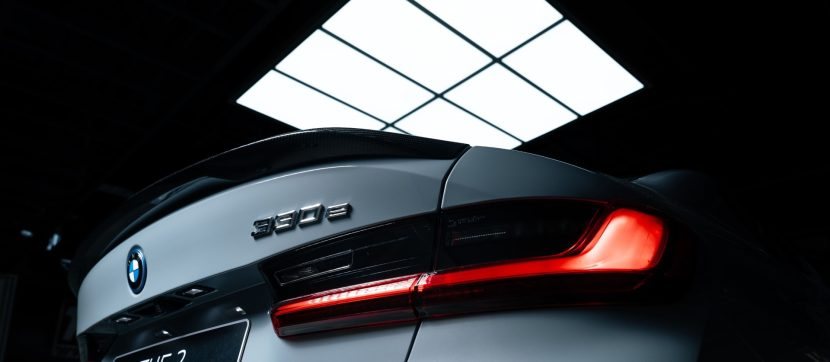
BMW Confirms Next 3 Series Will Retain Plug-In Hybrid Power
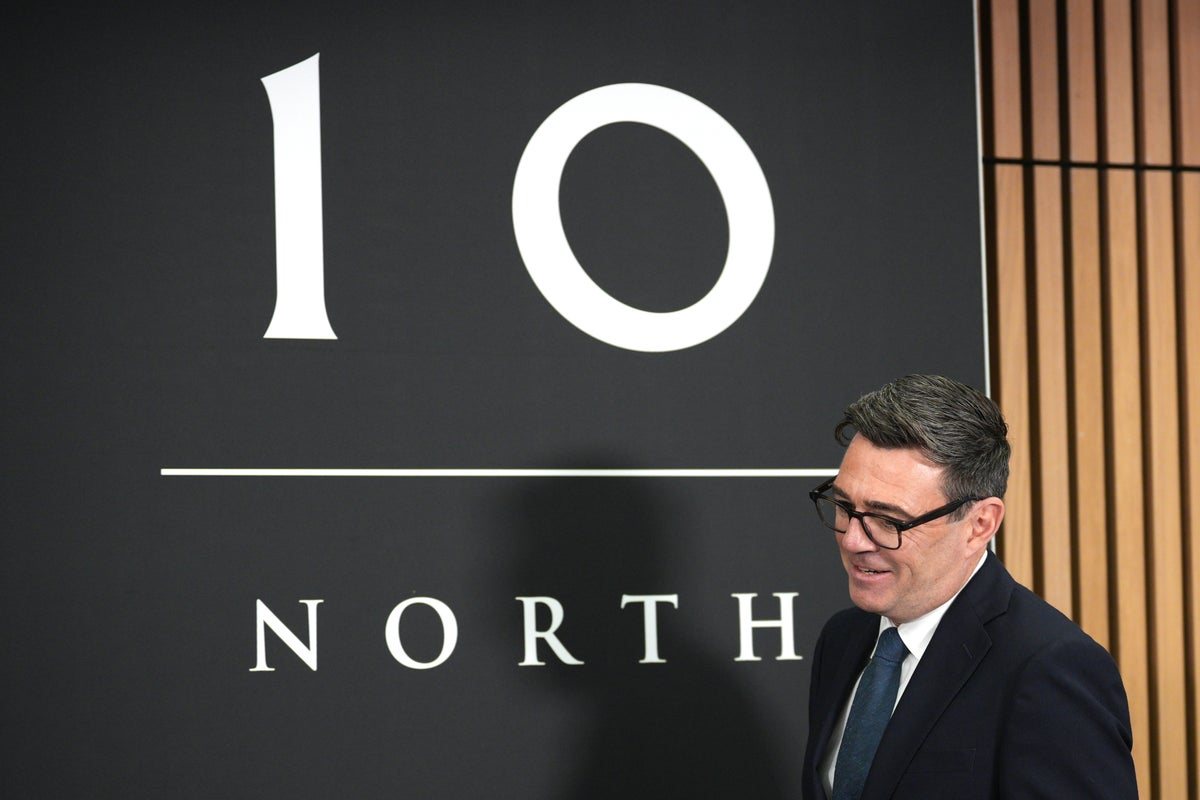
Polls opened in Greater Manchester on Thursday as voters choose a successor to Andy Burnham, who left the mayoralty to lead the country from Downing Street.
By George Kensington · 5 min read
Voters in Greater Manchester went to the polls on Thursday to elect a new mayor, filling the vacancy left by Andy Burnham after he stepped down to become Britain’s prime minister. The election marks the end of an era for the region, which Burnham led since the mayoralty was created in 2017.
Burnham, a Labour politician, won two consecutive terms as mayor of the combined authority covering Manchester and nine other boroughs. He established a high profile through campaigns on transport investment, housing, and his vocal opposition to austerity policies. His popularity in the city-region helped propel him to the Labour leadership and then to Downing Street after a general election earlier this year.
Thursday’s ballot is the first time voters have been asked to choose a mayor without Burnham’s name on the ticket. Polling stations opened early in the morning, and results are expected later this week after all votes are counted. The contest has drawn candidates from Labour, the Conservatives, the Liberal Democrats, the Green Party, and Reform UK, as well as independents.
The election is being closely watched as an early test of political sentiment since Burnham became prime minister. A Labour victory would be seen as a continuation of the party’s dominance in the region, while an upset could signal discontent with the new government’s direction. Burnham himself campaigned for the Labour candidate in the weeks leading up to polling day, urging voters to back his successor.
The role of mayor of Greater Manchester carries significant responsibilities, including control over transport, housing, planning, skills, and economic development. The winner will have to manage a growing population, address housing affordability, and improve public transport connectivity, all while navigating the evolving relationship with central government under Burnham’s premiership.
Burnham’s departure from city hall came just weeks after he became prime minister. He has already begun setting out his national agenda, including a major defence announcement. On the same day as the mayoral election, Burnham travelled to Barrow-in-Furness to launch the next phase of the Dreadnought-class submarine programme, promising an £8.4 billion investment in the nuclear deterrent and stressing the importance of defence spending to reindustrialise Britain. The new mayor will have to work with Downing Street on regional priorities amid these national commitments.
Political analysts note that the Greater Manchester mayoralty has become one of the most powerful devolved positions in England. The winner will inherit Burnham’s legacy of advocating for the North, including his push for the Northern Powerhouse rail and bus franchising powers. The new mayor will also need to address local concerns over crime, health services, and the cost of living, which remain high on voters’ agendas.
Turnout is expected to be moderate, though the unusual timing of the by-election could affect participation. The election was triggered by Burnham’s sudden elevation to the highest office, leaving the mayoralty vacant mid-term. Under the rules, a by-election is held to fill the remainder of the term, which runs until the next scheduled mayoral election in 2028.
Whoever wins will face the immediate challenge of stepping into the shoes of a highly popular predecessor. Burnham’s affable style and ability to connect with residents made him a dominant figure in Greater Manchester politics. The new mayor will need to establish their own identity while retaining the trust of voters who had grown accustomed to Burnham’s leadership.
The result is expected to be announced by Friday, and it will set the tone for the next phase of devolution in the region. For now, voters are casting their ballots in what is both a local election and a political weathervane for the country under its new prime minister.