
Business 110
Dacia CEO Urges EU to Freeze Small Car Rules to Cut Prices
In this issue
Business 110
Dacia CEO Urges EU to Freeze Small Car Rules to Cut Prices
Culture 89
1988 Porsche 911 Carrera Targa G50 with Rebuilt Engine Heads to Auction
Economy 30
HMRC is writing to low earners about pension top-ups averaging about £70
News 124
Aftermarket Trackers Recover 99% of Stolen Cars as Factory Systems Fail
Politics 103
Met police open inquiry into alleged foreign donations to Reform UK
Sports 231
AMG GT Black Series Spied With Radical Aero Ahead of Nürburgring Record Attempt
Technology 117
BMW Confirms Next 3 Series Will Retain Plug-In Hybrid Power
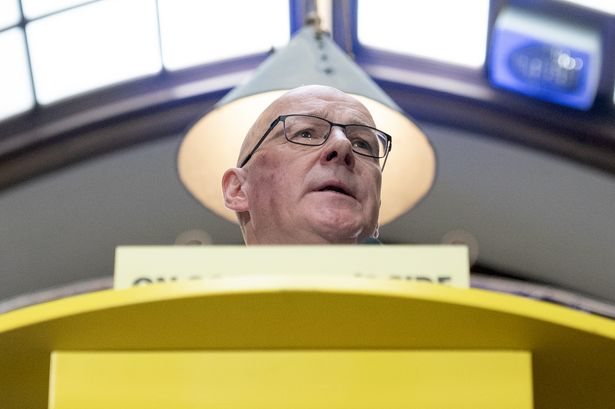
A new poll reveals that over half of British voters consider Nigel Farage and the Reform UK party 'very sleazy', with even a significant portion of Reform voters sharing this view, as the party faces a police investigation into donations.
By Eleanor Ellington · 4 min read
A significant majority of British voters now view Nigel Farage and his Reform UK party as deeply untrustworthy, with a new poll revealing that more than half of the electorate considers them «very sleazy». The finding marks a sharp deterioration in public perception for the party, which has been embroiled in a series of controversies, including a police investigation into a substantial donation.
The survey, conducted by a leading polling organisation, found that 73% of Britons believe Farage himself is sleazy, while 54% apply the same label to the party as a whole. Notably, the negative view is not confined to political opponents; even among those who voted for Reform UK in the last general election, a significant minority—around one in five—agreed that the party and its leader project a «sleazy» image. This internal disillusionment suggests the scandals are eroding the party’s core support.
The poll’s release coincides with growing pressure on Reform UK over its finances. The Metropolitan Police are currently investigating a £500,000 donation made to the party by Linda Cottrell, the mother of convicted fraudster George Cottrell. The donation has raised questions about the party’s due diligence and its willingness to accept large sums from controversial sources. Reform UK Deputy Leader Richard Tice has dismissed the investigation as a «politically motivated smear campaign», but the controversy has clearly taken a toll on the party’s public standing.
The negative perception of Farage and Reform UK has been building for months, driven by a series of internal disputes, policy U-turns, and questions about the party’s funding sources. Political analysts note that the «sleaze» label is particularly damaging for a party that built its platform on challenging the political establishment and promising to clean up Westminster. The new data suggests that voters are increasingly viewing Reform UK as part of the problem they claim to oppose.
The findings present a significant challenge for Farage as he prepares for a high-profile byelection in Clacton, which has been called for 13 August. The seat, held by a Conservative MP who recently resigned, is seen as a key target for Reform UK, which has invested heavily in campaigning there. However, with the party’s reputation under fire, Farage may struggle to convince voters that Reform UK offers a credible alternative to the established parties.
The byelection campaign is expected to be fiercely contested, with Labour, the Conservatives, and the Liberal Democrats all fielding candidates. The Clacton contest is being viewed as an early test of whether the public’s disillusionment with the main parties will translate into support for Reform UK, or whether the party’s own scandals will limit its appeal. The poll suggests that the latter scenario is increasingly likely, with many voters expressing deep reservations about the party’s integrity.
The broader political context adds to the pressure on Farage. With Andy Burnham set to become Prime Minister later this year, the political landscape is shifting. Burnham has promised a «Manchesterism» approach to governance, emphasising a transfer of power away from Westminster and a focus on regional development. This new political dynamic could further squeeze Reform UK, which has struggled to define a clear policy platform beyond its anti-immigration and anti-establishment rhetoric.
As the byelection date approaches, all eyes will be on Clacton to see whether the «sleaze» label sticks to Farage and his party. For now, the polling data paints a stark picture: a party that once promised to shake up British politics is increasingly seen by the public as just another source of the very sleaze it pledged to eradicate.