
Business 110
Dacia CEO Urges EU to Freeze Small Car Rules to Cut Prices
In this issue
Business 110
Dacia CEO Urges EU to Freeze Small Car Rules to Cut Prices
Culture 89
1988 Porsche 911 Carrera Targa G50 with Rebuilt Engine Heads to Auction
Economy 30
HMRC is writing to low earners about pension top-ups averaging about £70
News 124
Aftermarket Trackers Recover 99% of Stolen Cars as Factory Systems Fail
Politics 103
Met police open inquiry into alleged foreign donations to Reform UK
Sports 231
AMG GT Black Series Spied With Radical Aero Ahead of Nürburgring Record Attempt
Technology 117
BMW Confirms Next 3 Series Will Retain Plug-In Hybrid Power
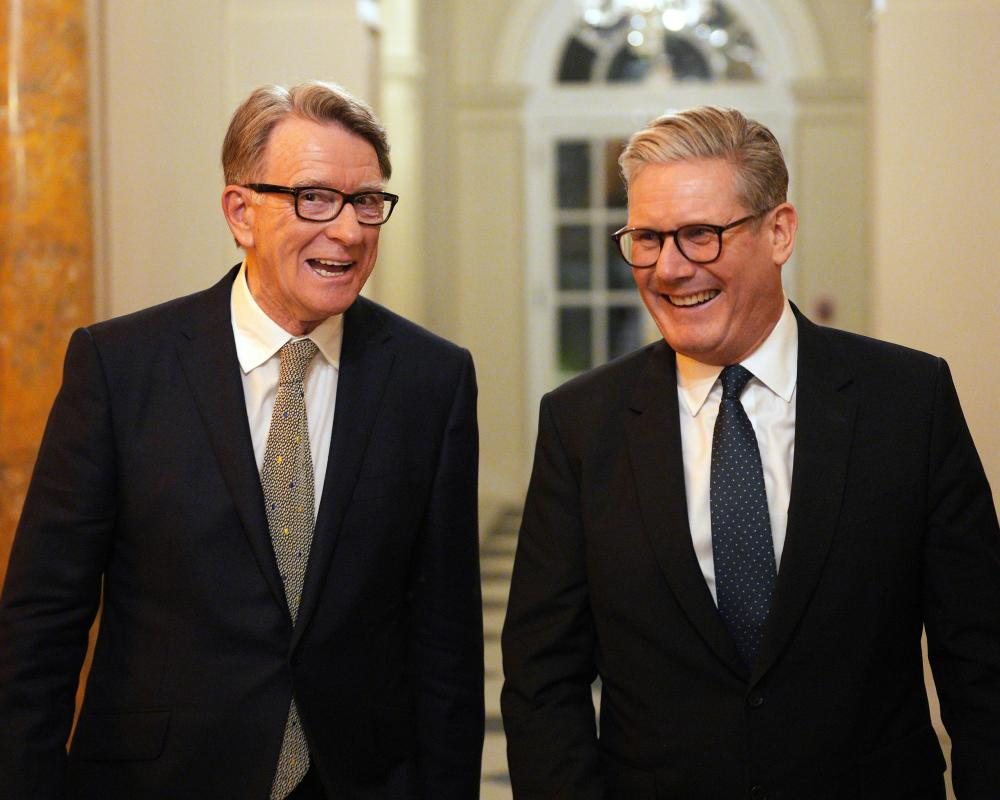
The Foreign Affairs Select Committee has recommended that MPs should be able to veto political appointments for ambassador posts, following a damning report on Peter Mandelson's appointment as UK ambassador to Washington, which it described as 'nothing short of disastrous'.
By George Kensington · 6 min read
The Foreign Affairs Select Committee has recommended that political selections for ambassador posts should be subject to a veto by MPs, following a scathing assessment of how Peter Mandelson became Britain's top diplomat in Washington. In a report published on Thursday, the cross-party committee concluded that Mandelson's appointment was «nothing short of disastrous», «highly damaging» for the British government, and «painful and offensive to the victims of Jeffrey Epstein».
The committee's findings represent a significant intervention in the debate over the politicisation of senior diplomatic roles. It argued that the current system, which allows the prime minister to appoint ambassadors without parliamentary scrutiny, lacks transparency and accountability. The proposed veto power would give MPs a formal role in approving or blocking future ambassadorial appointments, particularly those made on political grounds rather than through the traditional civil service route.
The report focused heavily on the circumstances surrounding Mandelson's appointment in 2025, which it described as an «unmitigated disaster» for Britain's diplomatic standing. The committee found it «difficult to understand» how the former Labour cabinet minister, who had been embroiled in controversies including his past links to the disgraced financier Jeffrey Epstein, was handed the prestigious Washington role. Concerns were raised about national security implications, with the committee noting that vital security vetting for Mandelson appeared to be viewed «as a nuisance» rather than a necessary safeguard.
The committee's investigation revealed that the appointment process was rushed and lacked proper due diligence. It criticised the government for failing to adequately consider the potential reputational damage to the UK, both at home and abroad. The report stated that the episode had undermined public confidence in the integrity of diplomatic appointments and had damaged the UK's relationship with the United States at a critical time.
Mandelson, a key figure in the New Labour era, had served as a European Commissioner and business secretary before being appointed ambassador. However, his past associations, including his role in the Epstein scandal, where he had been photographed with the financier and had accepted hospitality, proved highly controversial. The committee found that these connections should have disqualified him from the role, or at least triggered a more rigorous vetting process.
The government has defended the appointment, arguing that Mandelson's extensive political and business experience made him well-suited for the Washington post. However, the committee's report has put pressure on the prime minister to reconsider how such appointments are made in the future. The recommendation for a parliamentary veto would represent a major shift in the balance of power between the executive and the legislature over diplomatic appointments.
The committee's chair, a Conservative MP, said that the Mandelson affair had exposed «serious flaws» in the appointments system. He argued that giving MPs a veto would ensure that future appointees are subject to proper scrutiny and that the public can have confidence in the process. The report also called for greater transparency around the criteria used to select political appointees for ambassador roles, and for a formal role for the Foreign Office in assessing the suitability of candidates.
The recommendation has received mixed reactions from political parties. Labour MPs have expressed concern that a veto power could be used to block appointments on partisan grounds, while Conservative and Liberal Democrat members have broadly supported the proposal as a way to restore trust in the system. The government is expected to respond to the report in the coming weeks, but has not yet indicated whether it will accept the committee's recommendations.
The Mandelson appointment has been a persistent source of embarrassment for the government, with opposition MPs repeatedly raising questions about the process. The committee's report is likely to intensify calls for reform, and could lead to a broader review of how senior diplomatic posts are filled. The episode has also reignited debate about the role of political appointees in the civil service, with some arguing that the tradition of non-political ambassadors should be preserved.
In its conclusions, the committee urged the government to act swiftly to implement the proposed changes, warning that failure to do so could further damage the UK's international reputation. It also recommended that the government publish a clear set of guidelines for future political appointments to ambassador posts, including a requirement for candidates to undergo full security vetting and to declare any potential conflicts of interest.