
Business 110
Dacia CEO Urges EU to Freeze Small Car Rules to Cut Prices
In this issue
Business 110
Dacia CEO Urges EU to Freeze Small Car Rules to Cut Prices
Culture 89
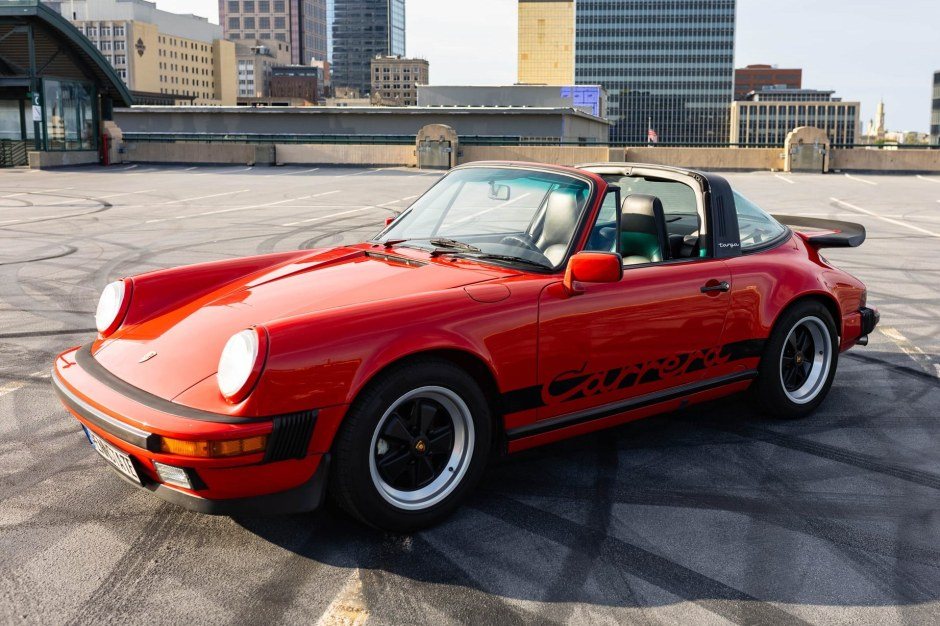
1988 Porsche 911 Carrera Targa G50 with Rebuilt Engine Heads to Auction
Economy 30
HMRC is writing to low earners about pension top-ups averaging about £70
News 124
Aftermarket Trackers Recover 99% of Stolen Cars as Factory Systems Fail
Politics 103
Met police open inquiry into alleged foreign donations to Reform UK
Sports 231
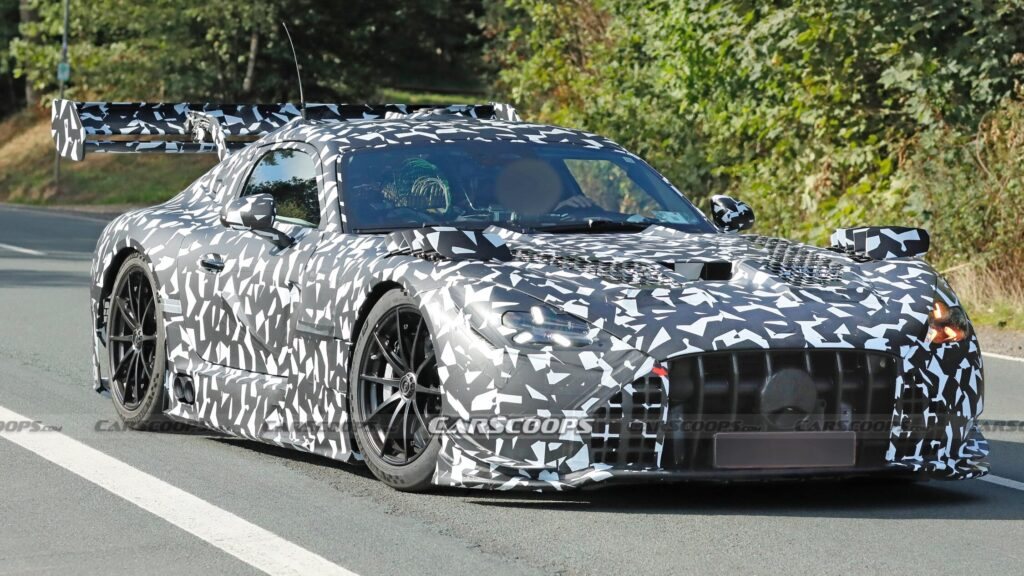
AMG GT Black Series Spied With Radical Aero Ahead of Nürburgring Record Attempt
Technology 117
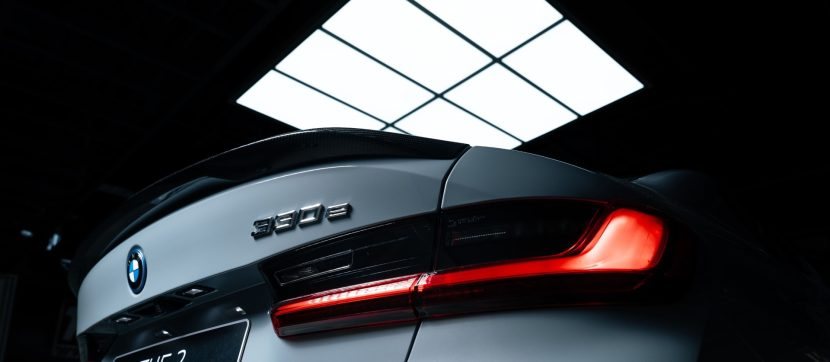
BMW Confirms Next 3 Series Will Retain Plug-In Hybrid Power
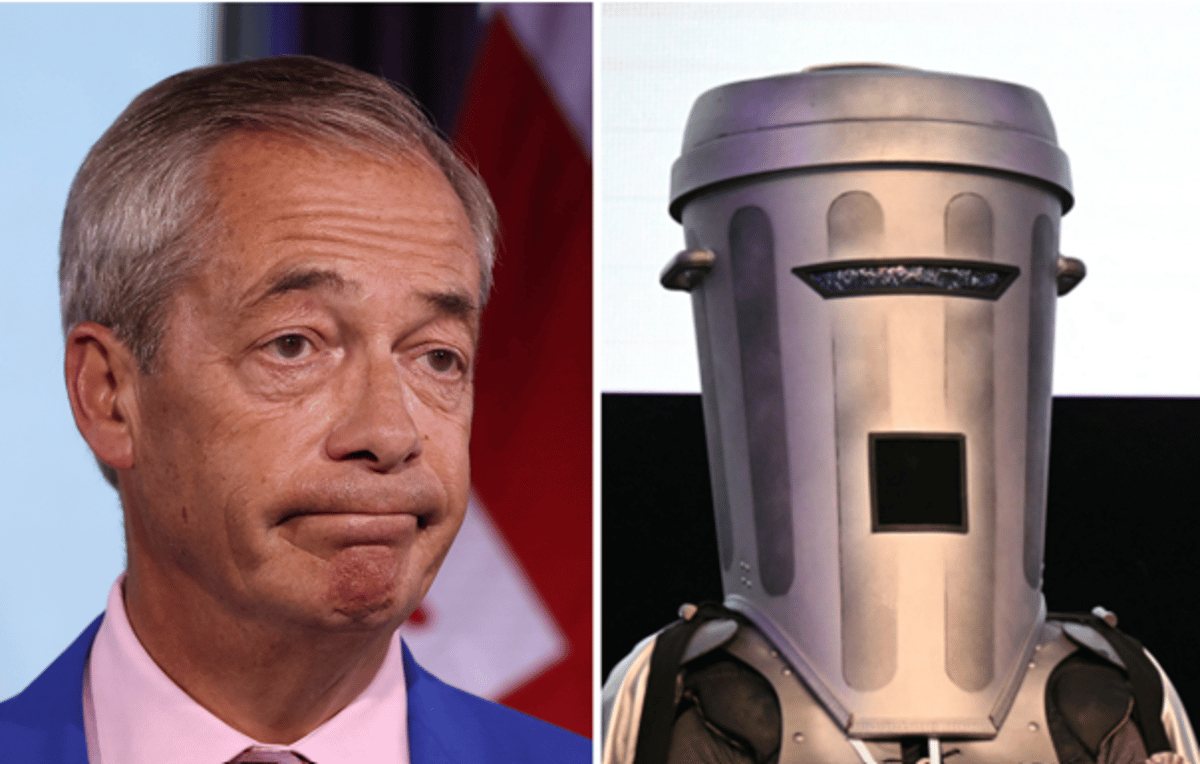
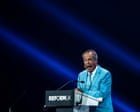
Nigel Farage's bid to become MP for Clacton is threatened by a satirical candidate, Count Binface, who leads in a national poll, as the Reform UK leader also faces scrutiny over donations.
By Edward Beaumont · 6 min read
Nigel Farage, the leader of Reform UK, is facing an unexpectedly strong challenge in the upcoming Clacton by-election from the satirical candidate Count Binface, a development that has turned the contest into a focal point of political ridicule. A recent national poll suggests that 33 per cent of British adults would prefer Count Binface to win the seat, compared to only 21 per cent who back Mr Farage, according to data published by The Independent. The poll, conducted by Find Out Now, indicates that the Reform UK leader's campaign is struggling to gain traction beyond his core support base, with a significant portion of the electorate viewing the contest as a chance to register a protest vote.
Count Binface, whose real name is Jon Harvey, has positioned himself as a satirical alternative to mainstream politics, promising policies such as renaming the House of Lords and requiring all politicians to wear name badges. His campaign has attracted endorsements from high-profile figures, including former Labour MP and Mayor of Greater Manchester Andy Burnham, as well as Conservative MP Kemi Badenoch, who have publicly expressed support for his candidacy. The by-election, triggered by the resignation of former Conservative MP Giles Watling, has become a lightning rod for criticism of Mr Farage, with opponents accusing him of treating the seat as a platform for his national ambitions rather than a genuine local contest.
The Reform UK leader's campaign has also been overshadowed by a series of controversies, including scrutiny over a £5 million gift from a cryptocurrency billionaire and a £1 million donation from the mother of convicted fraudster George Cottrell. These financial entanglements have raised questions about the sources of funding for Mr Farage's political activities, with critics arguing that they undermine his claims to represent ordinary voters. The donations row has provided further ammunition for Count Binface, who has made transparency and anti-corruption central themes of his campaign.
In addition to Count Binface, Mr Farage faces a crowded field of candidates, including a candidate dressed as a fox and another representing the Monster Raving Loony Party, which has a history of fielding humorous candidates in British elections. The presence of these fringe candidates has led some commentators to describe the by-election as a potential embarrassment for Mr Farage, who has long positioned himself as a serious political figure. The Reform UK leader has dismissed the challenge, describing Count Binface as a «laughing stock» and insisting that voters in Clacton will take the election seriously when it comes to the ballot box.
The by-election, expected to take place in the coming weeks, will test Mr Farage's ability to convert his national profile into a parliamentary seat. Clacton, a coastal constituency in Essex, has a history of supporting Brexit and populist candidates, which initially made it a logical target for Reform UK. However, the emergence of Count Binface as a credible alternative has complicated Mr Farage's path to victory, with some analysts suggesting that the satirical candidate could split the protest vote or even win if turnout is low. The contest has also drawn attention to the broader state of British politics, with voters expressing disillusionment with both major parties and turning to alternative candidates as a form of political expression.
Count Binface, who previously stood against former Prime Minister Boris Johnson in the 2019 general election, has built a reputation for using humour to highlight serious issues. His manifesto includes pledges to introduce a tax on billionaires, ban MPs from holding second jobs, and make the House of Lords an elected chamber. While his chances of winning remain slim, his strong showing in the polls has forced Mr Farage to defend his record and his suitability for the role of MP. The Reform UK leader has responded by attacking Count Binface as a «joke candidate» and urging voters to support his party if they want to see real change in Westminster.
The by-election is also being watched closely by the major parties, with the Conservatives and Labour both fielding candidates in the hope of capitalising on any weakness shown by Mr Farage. The Liberal Democrats and the Green Party have also announced candidates, adding to the complexity of the race. Political analysts have noted that the Clacton contest could serve as a bellwether for public sentiment ahead of the next general election, particularly on issues such as immigration, the economy, and trust in politicians. For now, however, the spotlight remains on the unlikely showdown between Nigel Farage and Count Binface, a battle that has captured the public imagination and underscored the unpredictable nature of British by-elections.