
Business 110
Dacia CEO Urges EU to Freeze Small Car Rules to Cut Prices
In this issue
Business 110
Dacia CEO Urges EU to Freeze Small Car Rules to Cut Prices
Culture 89
1988 Porsche 911 Carrera Targa G50 with Rebuilt Engine Heads to Auction
Economy 30
HMRC is writing to low earners about pension top-ups averaging about £70
News 124
Aftermarket Trackers Recover 99% of Stolen Cars as Factory Systems Fail
Politics 103
Met police open inquiry into alleged foreign donations to Reform UK
Sports 231
AMG GT Black Series Spied With Radical Aero Ahead of Nürburgring Record Attempt
Technology 116
Waymo Expands Driverless Ride-Hailing to Las Vegas
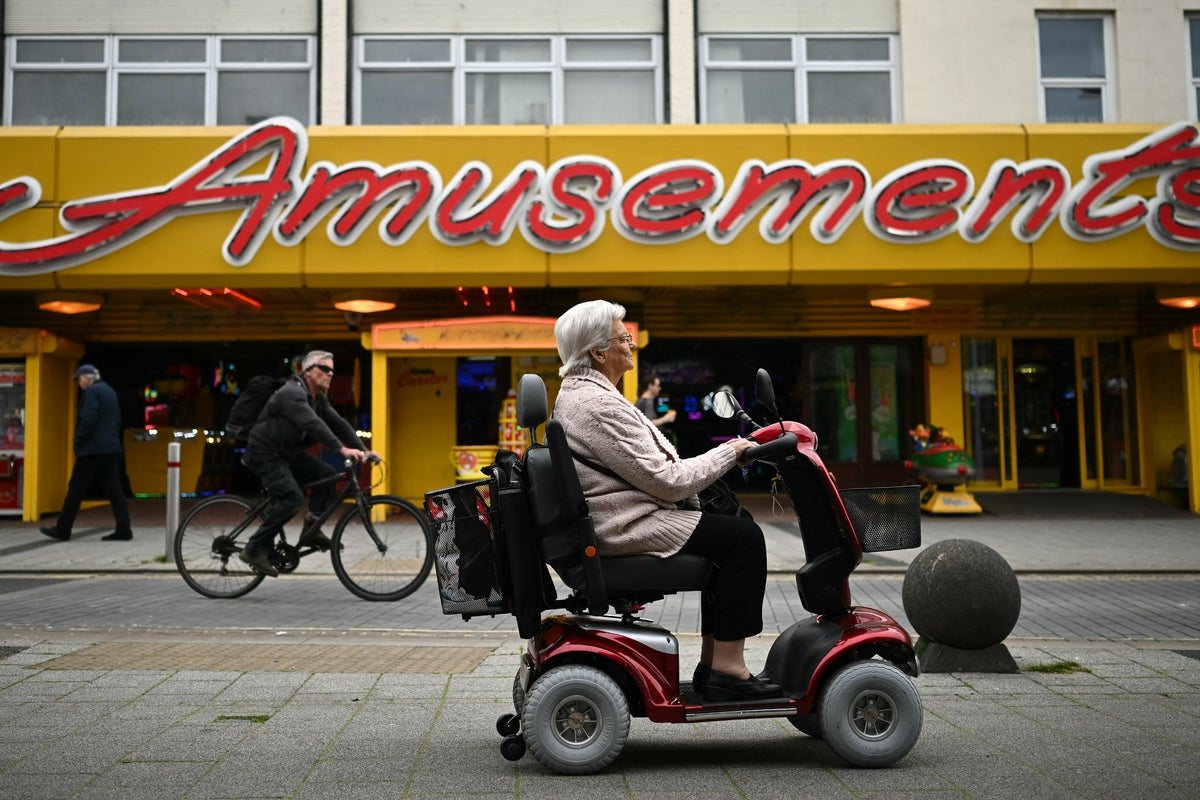
Reform UK leader Nigel Farage has resigned as MP for Clacton, triggering a by-election he intends to contest, framing it as a fight between the people and the establishment amid scrutiny over donations.
By Charlotte Redford · 5 min read
Nigel Farage has resigned as the Member of Parliament for Clacton, triggering a by-election in the Essex constituency that he has vowed to contest. The Reform UK leader announced his decision on Tuesday, describing the upcoming vote as a contest between «the people and the establishment».
Farage, who won the seat at the general election last year, said he was stepping down to fight a by-election that he believes will serve as a referendum on the political establishment. His announcement came amid intense scrutiny over donations to his party and personal finances, which he has dismissed as an «establishment hit job».
Local voters in Clacton have expressed strong support for Farage, with some describing him as a «shining light» in British politics. The constituency, which voted heavily for Brexit in 2016, has been a stronghold for Farage’s brand of populist politics. Many residents view him as a champion of their concerns, particularly on immigration and national sovereignty.
The by-election is expected to take place within weeks, though no date has yet been set. Farage’s decision to resign so soon after winning the seat has drawn criticism from political opponents, who accuse him of treating the electorate with contempt. Labour and Conservative figures have argued that the move undermines the democratic process and wastes public money.
Farage, however, has framed his resignation as a necessary step to expose what he calls a corrupt political system. In a statement, he said: «The establishment thought they had got rid of me, but they were wrong. I am coming back to fight for the people of Clacton and for everyone who believes in real democracy.»
The Reform UK leader has faced mounting questions over donations to his party, including a £5 million loan from a businessman with close ties to the Conservative Party. Farage has denied any wrongdoing and accused his critics of orchestrating a smear campaign. The Electoral Commission has said it is reviewing the matter but has not launched a formal investigation.
Clacton has a history of by-elections, having previously elected Douglas Carswell as the UK’s first directly elected Conservative-turned-UKIP MP in 2014. That contest was seen as a watershed moment for Eurosceptic politics. Farage’s current move echoes that earlier campaign, as he seeks to reignite the anti-establishment sentiment that propelled him to prominence.
Political analysts have noted that the by-election will be a key test of Reform UK’s strength and Farage’s personal appeal. The party has struggled to maintain momentum since the general election, with internal divisions and a lack of clear policy direction. A strong showing in Clacton could revive its fortunes, while a poor result might raise questions about Farage’s future leadership.
The Conservative Party, which holds the neighbouring seat of Harwich and North Essex, has yet to announce its candidate for the by-election. Labour, which came third in Clacton at the last election, is also expected to field a candidate. The Liberal Democrats and the Green Party have indicated they will stand as well.
Local residents have mixed views on the by-election. While many remain loyal to Farage, some have expressed frustration at the prospect of another election so soon. «I voted for him because I believed he would stand up for us, but now I feel like we are being used,» said one Clacton shopkeeper, who asked not to be named.
Farage’s resignation has also reignited debate about the role of by-elections in British politics. Critics argue that they are often exploited by politicians seeking to draw attention to themselves rather than serve their constituents. Supporters, however, see them as a vital tool for holding the establishment to account.
The by-election in Clacton is likely to be closely watched as a barometer of public mood ahead of the next general election. With the Conservatives trailing in the polls and Labour enjoying a significant lead, Farage’s campaign could further fragment the right-wing vote and complicate the political landscape.
As the campaign gets under way, Farage will seek to mobilise his base while appealing to disaffected Conservative voters. His message of anti-establishment populism remains potent in a constituency that has consistently backed Brexit and Eurosceptic candidates. Whether it will be enough to secure a second victory in Clacton remains to be seen.