
Business 110
Dacia CEO Urges EU to Freeze Small Car Rules to Cut Prices
In this issue
Business 110
Dacia CEO Urges EU to Freeze Small Car Rules to Cut Prices
Culture 89
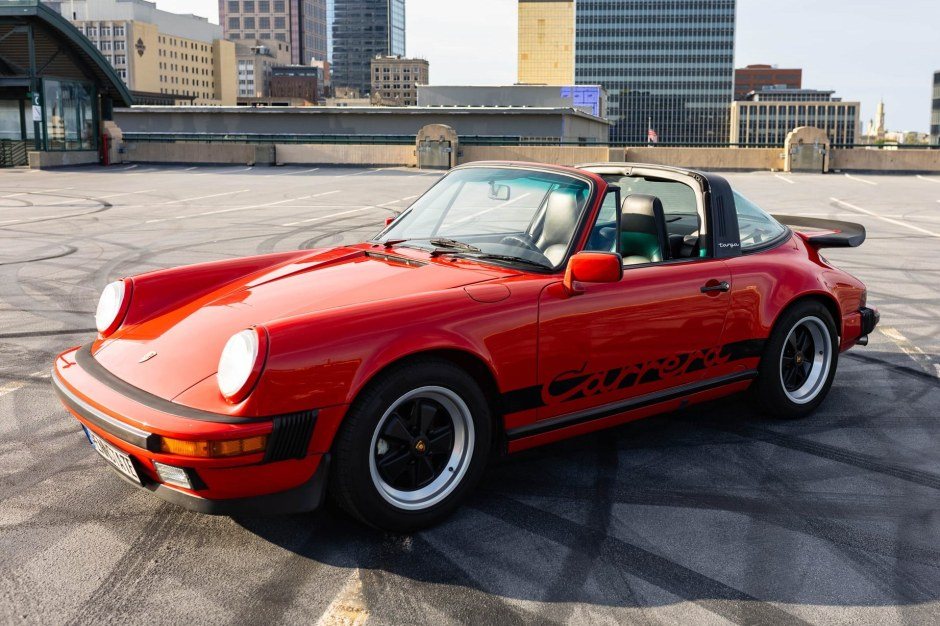
1988 Porsche 911 Carrera Targa G50 with Rebuilt Engine Heads to Auction
Economy 30
HMRC is writing to low earners about pension top-ups averaging about £70
News 124
Aftermarket Trackers Recover 99% of Stolen Cars as Factory Systems Fail
Politics 103
Met police open inquiry into alleged foreign donations to Reform UK
Sports 231
AMG GT Black Series Spied With Radical Aero Ahead of Nürburgring Record Attempt
Technology 117
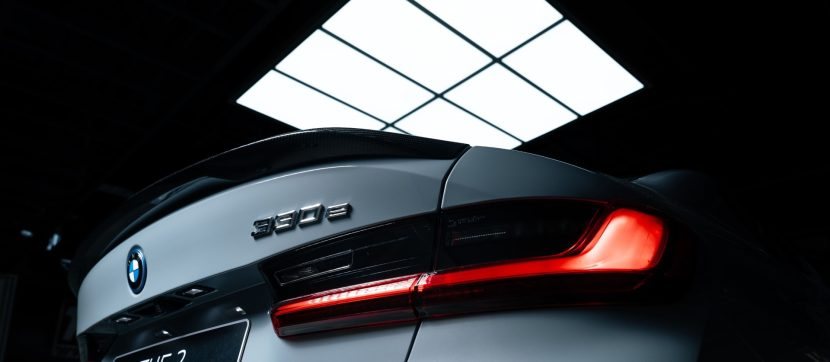
BMW Confirms Next 3 Series Will Retain Plug-In Hybrid Power
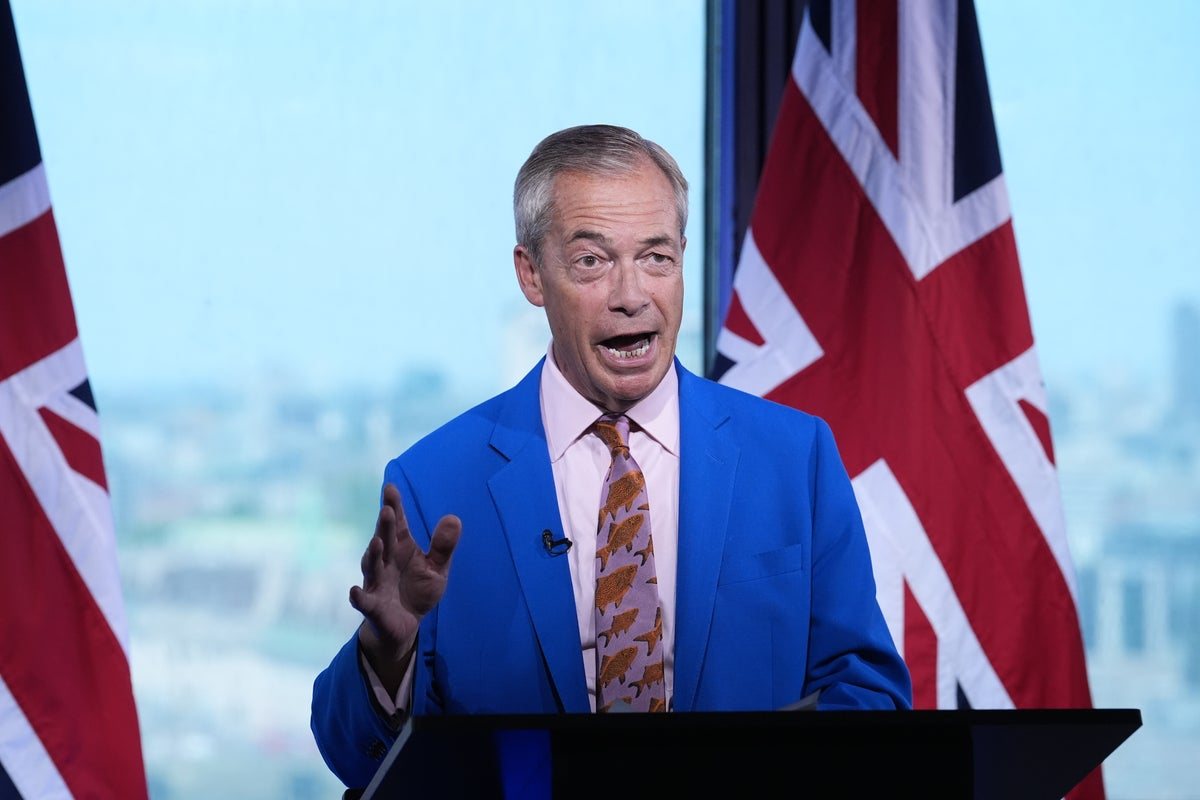
Professor Sir John Curtice warns Nigel Farage cannot withdraw from the Clacton by-election after major parties boycott the contest, leaving him as the only main candidate.
By Eleanor Ellington · 6 min read
Professor Sir John Curtice, one of Britain's leading polling experts, has warned Nigel Farage that he cannot simply withdraw from the Clacton by-election after the Conservative, Labour, and Liberal Democrat parties announced they would not field candidates. The Reform UK leader triggered the contest by resigning his seat amid a row over his finances, but the decision by his political rivals to boycott the vote has left him facing an unusual and potentially embarrassing situation.
Speaking to the BBC, Sir John said that Mr Farage had effectively «painted himself into a corner» and could not now cancel the by-election without appearing to run away from a contest he had himself provoked. The polling guru's comments came as it emerged that all three major parties, as well as the right-wing Restore party, had decided not to stand against Mr Farage in the Clacton constituency, which he won at the general election last July with a majority of over 8,000 votes.
The by-election was triggered after Mr Farage announced he would resign as MP for Clacton in protest at what he described as «intense scrutiny» of his financial affairs, including questions over donations to his party and his personal income. However, the move has backfired spectacularly, with opponents accusing him of staging a stunt designed to generate publicity rather than addressing the concerns of his constituents.
Labour, the Conservatives, and the Liberal Democrats have all confirmed they will not put forward candidates, describing the by-election as a «circus» and a waste of public money. A Labour spokesperson said the party would not «play Farage's game», while a Conservative source called the contest a «pointless distraction». The Liberal Democrats said they would focus on «real issues» affecting local people rather than engaging in what they termed a «vanity project».
The decision by the major parties to boycott the by-election means that Mr Farage is likely to face only minor candidates, such as those from the Green Party or independent figures, if any choose to stand. This has led to criticism that the Reform UK leader is effectively running unopposed, raising questions about the legitimacy of the contest and the message it sends about the state of British democracy.
Sir John Curtice, who is known for his accurate analysis of electoral trends, said that Mr Farage now had no choice but to go through with the by-election, as pulling out would damage his credibility further. «He can't just say 'I've changed my mind' and expect people to take him seriously,» the professor said. «He has set this in motion, and now he has to see it through.»
The by-election is expected to take place within the next few weeks, although no date has yet been set. The Clacton constituency, located on the Essex coast, has been a stronghold for Reform UK since Mr Farage won it in July, but the party's support has been tested by internal divisions and questions over its funding.
Mr Farage has defended his decision to resign, arguing that he wanted to «reset» his mandate and demonstrate his commitment to the people of Clacton. In a statement, he said: «I am not afraid of a contest. I am ready to fight for the people of Clacton and to show that Reform UK is the only party that stands up for them.» However, critics have pointed out that the by-election will cost taxpayers an estimated £2 million, money they say could be better spent on public services.
The situation has also reignited debate about the rules governing by-elections and whether they can be triggered for political reasons rather than genuine necessity. Some constitutional experts have called for reforms to prevent MPs from resigning simply to create a publicity stunt, although no such changes are currently under consideration.
For Mr Farage, the Clacton by-election represents a high-risk gamble. If he wins, as expected given the lack of major party opposition, he will return to Parliament with a renewed mandate but also with questions about the legitimacy of his victory. If he loses to a minor candidate, it would be a devastating blow to his political career and to the credibility of Reform UK as a serious political force.
The by-election is also being watched closely by political analysts as a test of whether the public is willing to engage with a contest that many see as a farce. Turnout is expected to be low, which could further undermine the result. Sir John Curtice warned that the episode could damage public trust in the political system, as voters may feel that their concerns are being ignored in favour of political gamesmanship.
In the meantime, the people of Clacton are left without an MP until the by-election is held, a situation that has drawn criticism from local campaigners who say the constituency needs proper representation on issues such as housing, healthcare, and jobs. The by-election, whatever its outcome, is unlikely to address those concerns directly, leaving many residents frustrated with the political process.