
Business 110
Dacia CEO Urges EU to Freeze Small Car Rules to Cut Prices
In this issue
Business 110
Dacia CEO Urges EU to Freeze Small Car Rules to Cut Prices
Culture 89
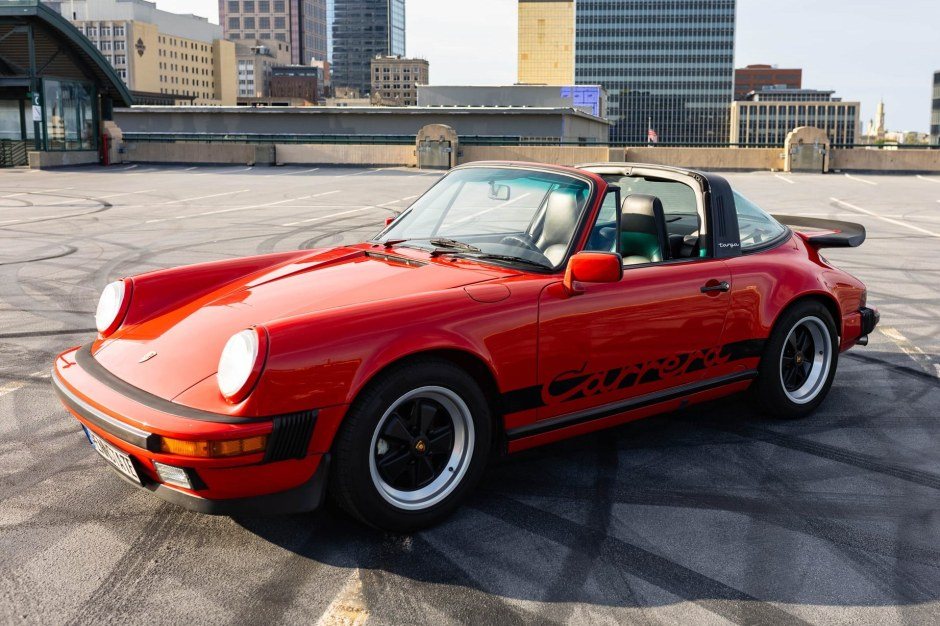
1988 Porsche 911 Carrera Targa G50 with Rebuilt Engine Heads to Auction
Economy 30
HMRC is writing to low earners about pension top-ups averaging about £70
News 124
Aftermarket Trackers Recover 99% of Stolen Cars as Factory Systems Fail
Politics 103
Met police open inquiry into alleged foreign donations to Reform UK
Sports 231
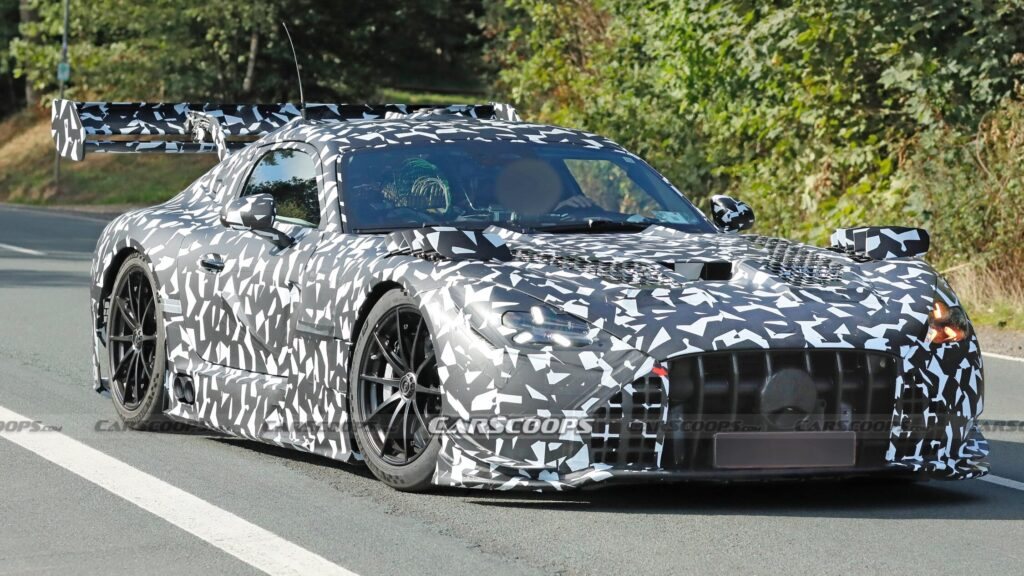
AMG GT Black Series Spied With Radical Aero Ahead of Nürburgring Record Attempt
Technology 116
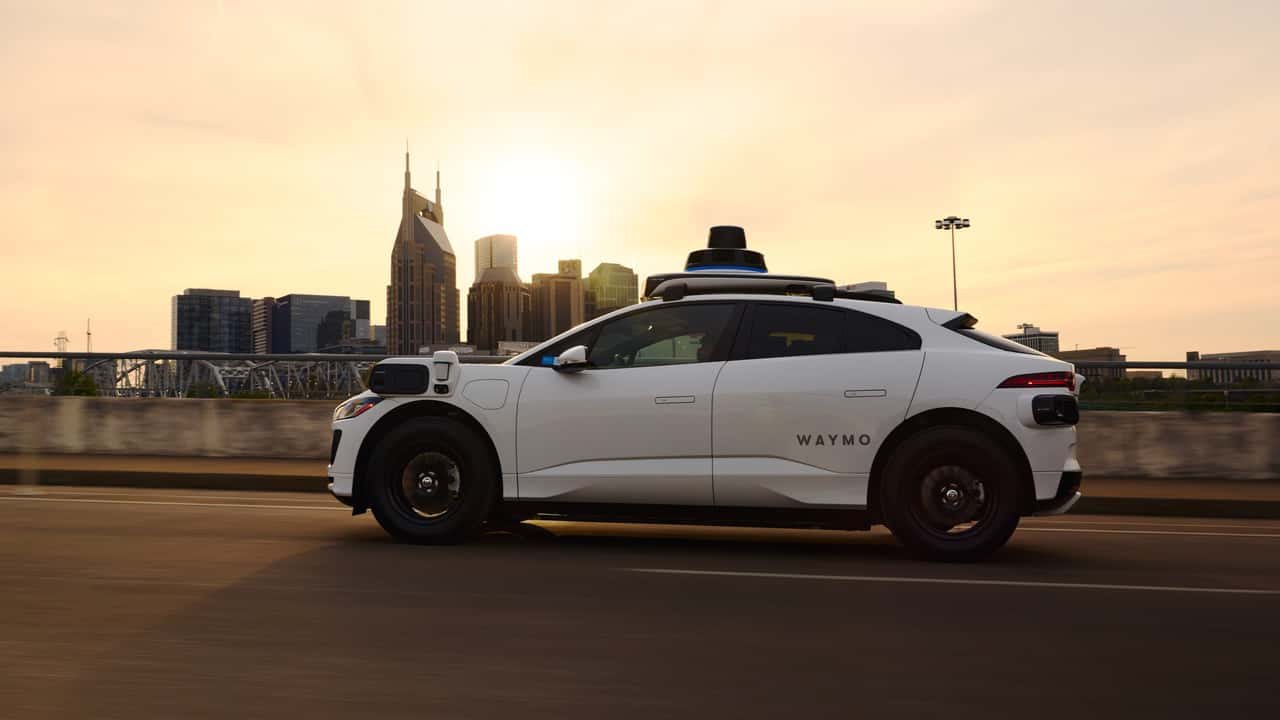
Waymo Expands Driverless Ride-Hailing to Las Vegas
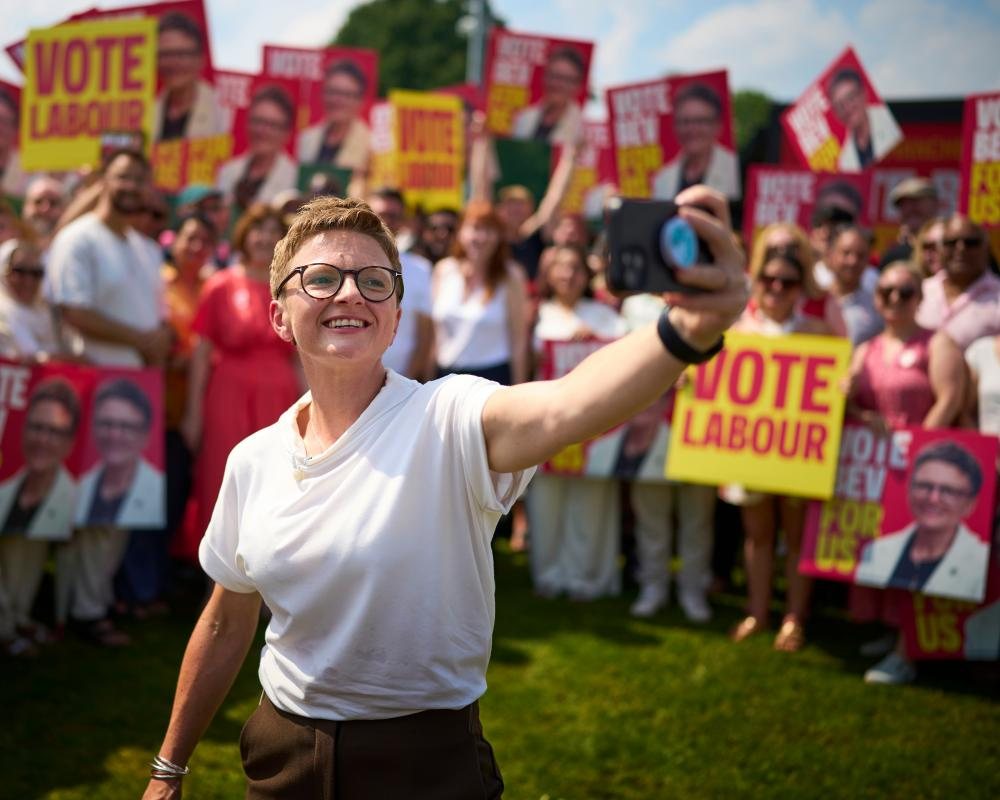
Voting has begun in the largest byelection in British history to replace former Labour mayor Andy Burnham, with more than two million eligible voters deciding the next Greater Manchester mayor amid a shifting national political landscape.
By Charlotte Redford · 5 min read
Voting has opened in the Greater Manchester mayoral byelection, the largest in British political history, with more than two million people across ten boroughs eligible to choose the successor to Andy Burnham, the former Labour mayor who recently became prime minister. The contest, which would normally command weeks of national attention, has been partly overshadowed by the transition at Downing Street and the distractions caused by Reform UK leader Nigel Farage’s focus on his own constituency in Clacton.
Labour’s candidate, Bev Craig, the current leader of Manchester City Council, is widely expected to win the mayoralty, though senior Labour figures admitted only weeks ago that they feared losing the prized position to Reform UK amid slipping poll numbers. The byelection is seen as an early test of the new Labour government’s popularity and a gauge of whether the political momentum that carried Burnham to the premiership can be sustained at a local level.
Seven candidates are standing, representing the main political parties as well as independent and minor-party contenders. The winner will take over the powerful role that Burnham held since 2017, overseeing a combined authority with significant powers over transport, housing, skills, and economic development in one of the UK’s largest urban regions. The result is expected to have implications not only for local governance but also for the national political balance, particularly as Reform UK continues to make inroads in traditional Labour strongholds.
The by election campaign has been unusually quiet in the media, largely because of the simultaneous political drama surrounding Burnham’s sudden rise to prime minister and Farage’s high-profile campaign in Clacton, where he is running for a Westminster seat. Farage, who has been vocally critical of Labour’s record on immigration and net zero, has used his platform to attack the government, but the Reform UK leader has not personally campaigned in Greater Manchester, leaving his party’s candidate to fight on local issues such as bus franchising, clean air zones, and crime.
Bev Craig has emphasised her record in Manchester, highlighting investments in affordable housing, youth services, and the city’s response to the cost-of-living crisis. Her campaign has sought to portray continuity with Burnham’s tenure while promising to tackle regional inequality and push for further devolution. The Conservatives, Liberal Democrats, and the Green Party have all fielded candidates, each seeking to capitalise on any dissatisfaction with Labour after years of Conservative rule at Westminster.
Political analysts note that the outcome will be closely watched by all parties as a bellwether for future by elections and the general election cycle. Turnout is expected to be moderate, given the summer holiday period and the lack of a national media spotlight. Polling stations are open until 10 pm, with the count expected to take place overnight and a result anticipated by early Thursday morning.
The mayoralty of Greater Manchester has become one of the most visible regional offices in England since its creation in 2017, and its occupant is often seen as a national figure. Burnham’s departure to 10 Downing Street has left a vacancy that both Labour and its rivals view as a key battlefield. For the new prime minister, a comfortable win for his party’s candidate would provide a welcome boost; any significant loss of votes to Reform UK or another party would raise questions about the strength of Labour’s coalition.
Voters across all ten boroughs — Manchester, Salford, Bolton, Bury, Oldham, Rochdale, Stockport, Tameside, Trafford, and Wigan — have been casting their ballots throughout the day. The final result will determine who leads the Greater Manchester Combined Authority for the remainder of the term, currently scheduled to run until 2028.