Business 156
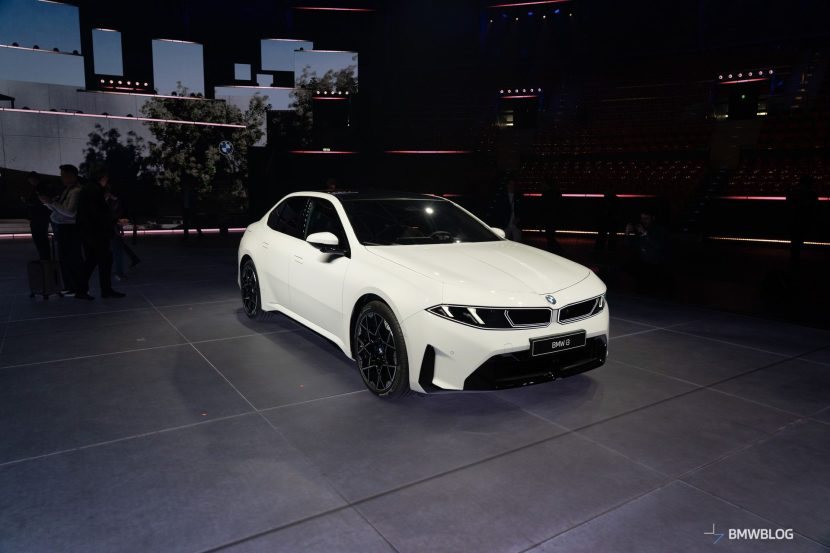
BMW and MINI to Make Greek Debuts at AUTO ATHINA 2026
In this issue
Business 156
BMW and MINI to Make Greek Debuts at AUTO ATHINA 2026
Culture 175
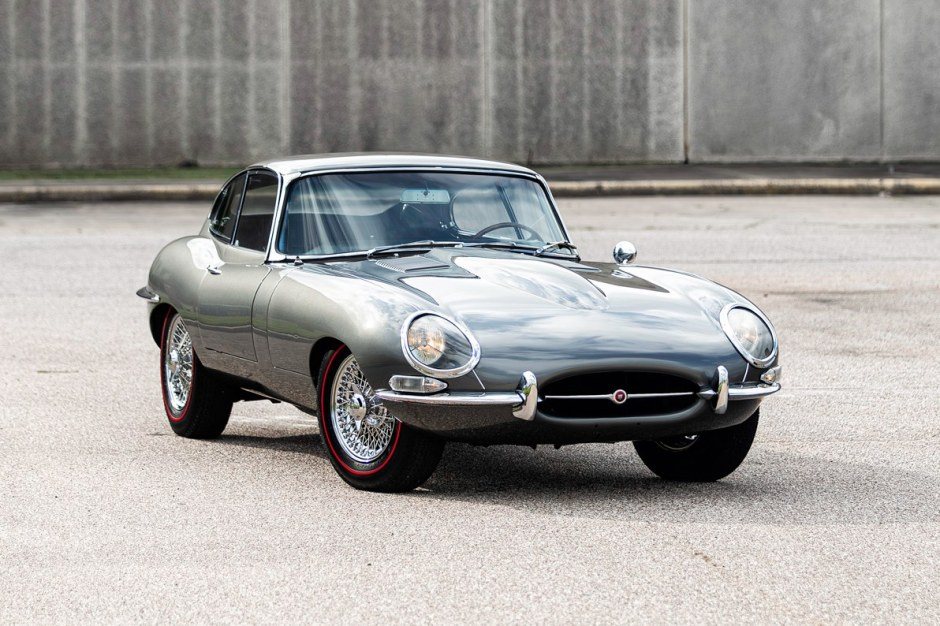
1966 Jaguar E-Type Series I Coupe Heads to Sale with Heritage Certificate
Economy 33
Bitcoin and Ethereum Surge to Levels Last Seen in January
News 135
Trump Administration Revises Fuel Economy Rules, Cutting 2031 Target by a Third
Politics 108
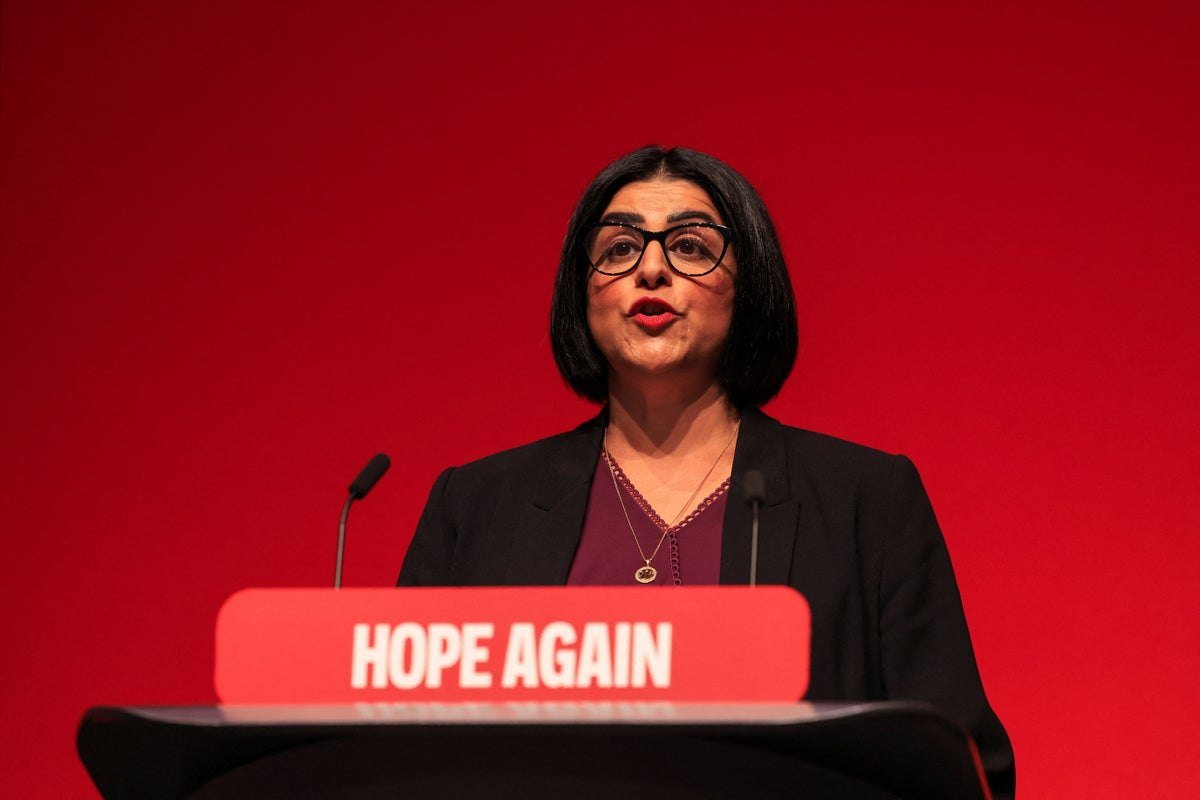
Mahmood Opens New Legal Refugee Routes in Labour Conference Speech
Sports 249
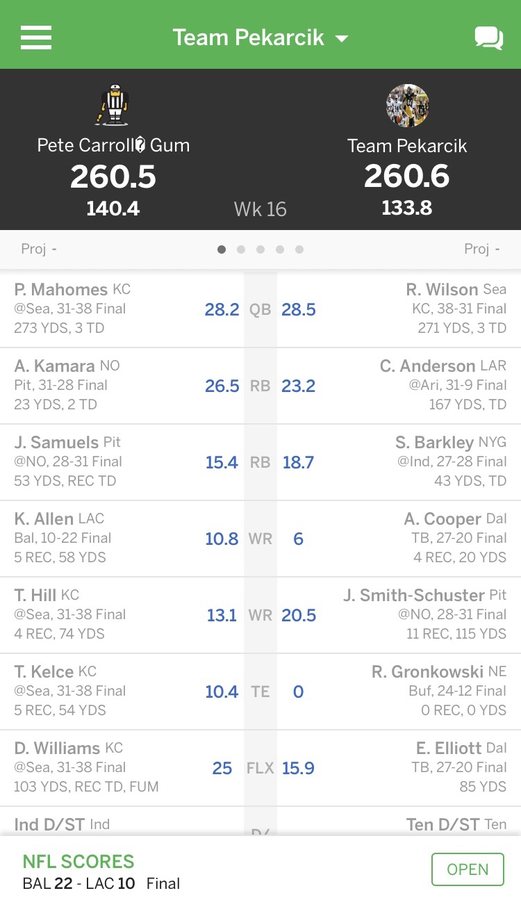
Fantasy Football Leagues Embrace Creative Last-Place Punishments
Technology 183
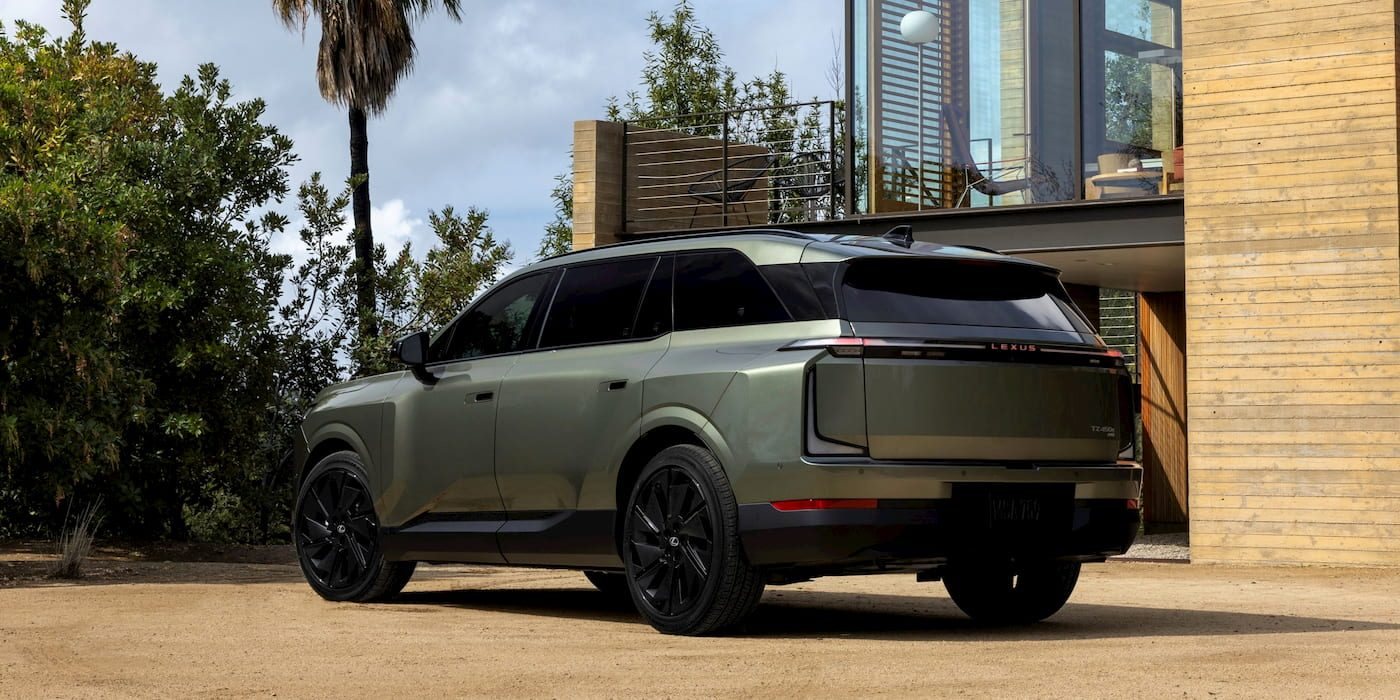
Lexus TZ Electric SUV Priced Under $65,000 With 315-Mile Range
Their relationship has survived ideological differences, electoral rivalry and a public blow-up because each man offers the other something unusually difficult to replace.
By Edward Beaumont · 5 min read
Leadership alliances often look strongest just before they fail. Donald Trump and Elon Musk supplied a particularly dramatic example. By early 2025, Musk had become a near-constant presence around the new administration, Trump was publicly defending Tesla, and the two men appeared to have converted a campaign alliance into a governing partnership. By June, they were threatening each other’s political standing and business interests in public. By August 2026, they were talking again.
What keeps bringing them back together is not consistency. Musk’s first recorded position on Trump was opposition. In 2016 he said Trump was not the right man for the presidency. He later joined Trump’s business advisory councils, then resigned in 2017 over the Paris climate decision. In 2020, Trump praised Musk and backed Tesla’s push to reopen its California factory during pandemic restrictions. In 2022, they turned hostile again, with Musk telling Trump to leave the political stage.
Musk even helped stage Ron DeSantis’s 2023 presidential launch on Twitter Spaces, giving oxygen to a Republican challenger. Yet after Trump survived an assassination attempt in July 2024, Musk made an unmistakable choice. He endorsed Trump, hosted him for a long conversation on X, appeared at his Butler rally and became one of the most important financial supporters of the campaign.
Money transformed access into influence. Musk spent at least roughly $250 million supporting Trump and allied Republican efforts. After the election, Trump announced the DOGE initiative with Musk and Vivek Ramaswamy. In office, Musk became a White House senior adviser and the public face of a government-cutting programme. His formal authority was narrower than the public mythology: the White House later told a court that he was not DOGE’s administrator and could not independently make government decisions.
The symbolic high point arrived in March 2025, when Trump inspected Tesla vehicles outside the White House and said he would buy one. The relationship carried a clear reciprocal logic. Musk had supplied money, a vast social-media platform and technological prestige. Trump supplied access, political protection and a place at the centre of power.
Then came the question on which powerful alliances often break: whose priorities came first. Musk attacked Trump’s giant tax-and-spending bill, saying it worsened the national debt. Trump threatened to terminate contracts and subsidies tied to Musk’s companies. Musk backed impeachment and briefly threatened Dragon spacecraft operations. He also posted an unsubstantiated claim about Trump and Epstein-related files before deleting it. Days later, he acknowledged that some of his posts had gone too far.
The America Party announcement in July 2025 looked like the creation of a rival power base. It did not last. Behind the scenes, JD Vance and Susie Wiles helped preserve channels. Trump and Musk publicly reunited at Charlie Kirk’s memorial in September. Musk returned to the White House for a dinner in November. By January 2026, his money was flowing back into Republican congressional politics.
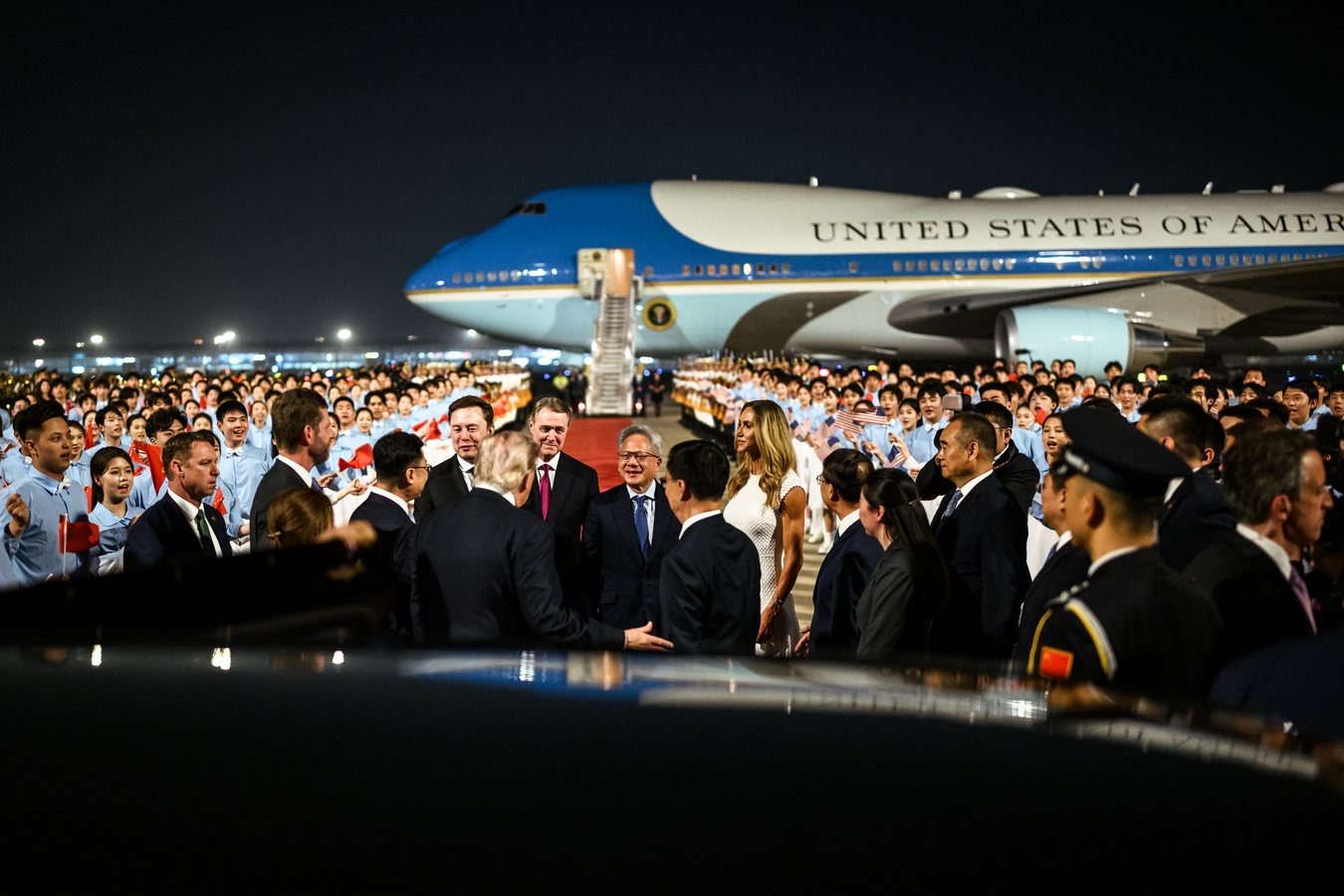
The renewed alliance is more disciplined. In May, Musk joined Trump on the trip to Beijing and signalled that he would support Republican midterm efforts. America PAC is now preparing at least $100 million in turnout spending. The two men reportedly speak about once a month.
There is also a notable change in self-presentation. Musk says he became too absorbed in politics and should have spent more time on his companies. Trump has privately told aides their bond will never be as close as it once was. Those are not signs that the relationship has failed. They may be the terms that allow it to continue. The first alliance was built on enthusiasm and constant proximity. The second is being built on boundaries, leverage and a clear calculation of mutual value.
86