
Business 110
Dacia CEO Urges EU to Freeze Small Car Rules to Cut Prices
In this issue
Business 110
Dacia CEO Urges EU to Freeze Small Car Rules to Cut Prices
Culture 89
1988 Porsche 911 Carrera Targa G50 with Rebuilt Engine Heads to Auction
Economy 30
HMRC is writing to low earners about pension top-ups averaging about £70
News 124
Aftermarket Trackers Recover 99% of Stolen Cars as Factory Systems Fail
Politics 103
Met police open inquiry into alleged foreign donations to Reform UK
Sports 231
AMG GT Black Series Spied With Radical Aero Ahead of Nürburgring Record Attempt
Technology 117
BMW Confirms Next 3 Series Will Retain Plug-In Hybrid Power
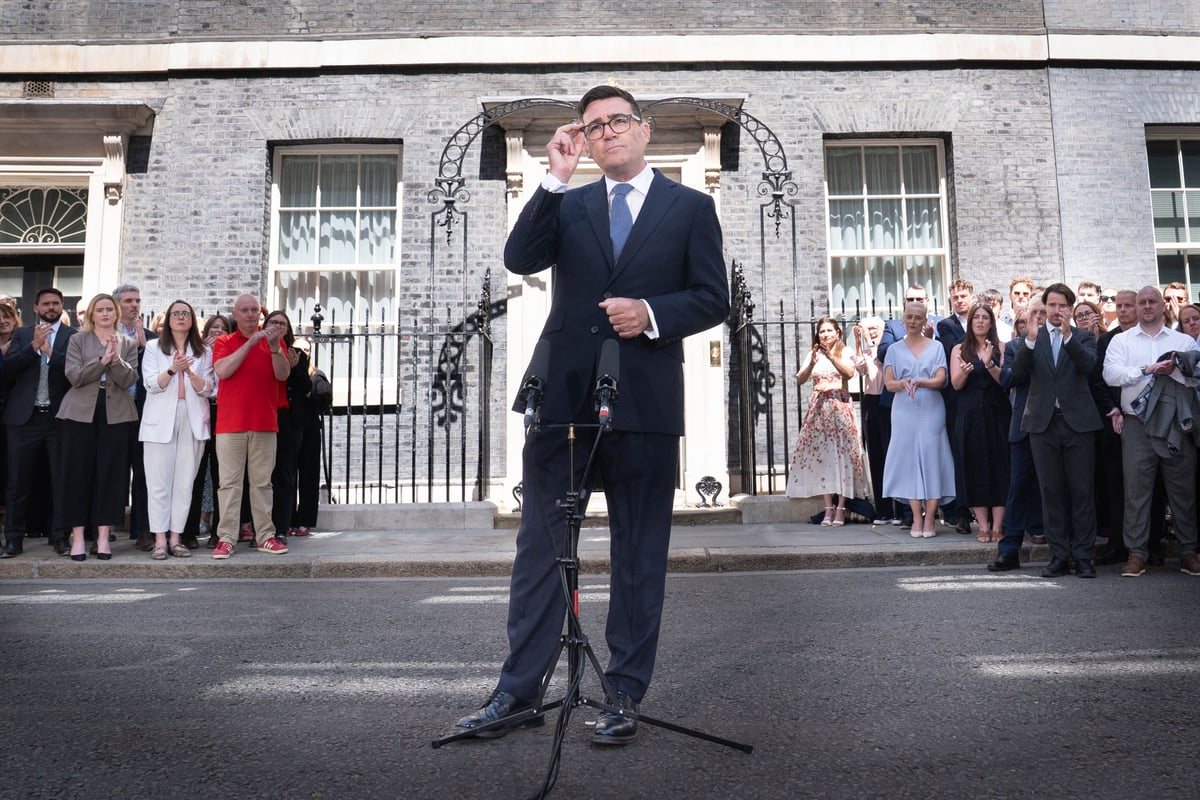
New Prime Minister Andy Burnham has announced the removal of VAT on domestic electricity bills from October 1, funded by cancelling the Digital ID programme, as his cabinet meets for the first time after a reshuffle.
By Edward Beaumont · 5 min read
New Prime Minister Andy Burnham has announced the removal of VAT on household electricity bills from 1 October, marking one of his first major policy decisions since taking office. The move, confirmed in a statement from Downing Street, is designed to provide immediate financial relief to millions of families across the UK as winter approaches and energy costs remain a significant burden.
The tax cut will be funded this year by cancelling the Digital ID programme, a government initiative that has faced criticism over privacy concerns and rising costs. Chancellor John Healey confirmed the funding mechanism, stating that the decision reflects the new administration's commitment to prioritising practical support for households over what he described as unnecessary digital infrastructure projects.
In his statement, Burnham said: «Westminster has not been working for people for too long, with families struggling with the cost of living. That needs to change. I said I wanted to give people breathing space, and that’s what I’m announcing on my second day as prime minister.» The announcement comes as Burnham holds his first full cabinet meeting after a significant reshuffle of his top team, which saw several allies of former leader Sir Keir Starmer removed from key positions.
The new cabinet includes prominent Labour figures such as Ed Miliband, Angela Rayner, and Wes Streeting, reflecting Burnham's aim to build a team aligned with his vision for the country. The reshuffle has been described as a purge of Starmerites, signalling a shift in direction for the Labour government. Burnham met King Charles III earlier this week to formally accept the role of prime minister, following a period of political transition.
The VAT cut on electricity bills is expected to save the average household around £100 per year, according to Treasury estimates. Energy analysts have welcomed the move but caution that broader structural reforms to the energy market are needed to address long-term affordability. The decision has also drawn attention to the cancelled Digital ID programme, which was originally projected to cost billions and had been criticised by civil liberties groups.
In a separate development, former US President Donald Trump shared details of his first telephone conversation with Burnham, hinting at a possible meeting in the «not too distant future.» Trump described the call as productive and expressed optimism about future UK-US relations under Burnham's leadership. The exchange has been interpreted as an early sign of the new prime minister's engagement on the international stage.
The cabinet meeting on Tuesday is expected to focus on the government's legislative agenda for the coming months, with cost-of-living measures, energy policy, and public service reform high on the list. Burnham has pledged to prioritise economic stability and social justice, positioning his administration as a break from both the previous Conservative government and the internal divisions that plagued Labour under Starmer.
Political commentators note that the VAT cut is a relatively low-cost but highly visible policy, designed to demonstrate immediate action while the government prepares more comprehensive reforms. The cancellation of the Digital ID programme has been praised by privacy advocates but questioned by business groups who saw potential efficiency gains. The Treasury has assured that the savings from the programme will fully cover the cost of the electricity bill relief for the current financial year.
As Burnham's cabinet settles into its new roles, the prime minister faces the challenge of uniting a party that has experienced significant internal friction. The reshuffle has been met with mixed reactions, with some Labour MPs expressing concern about the exclusion of experienced figures. However, Burnham's allies argue that the changes are necessary to deliver on the party's election promises and restore public trust in government.
The VAT removal on electricity bills is set to take effect on 1 October, just before the onset of colder weather when household energy usage typically rises. The government has indicated that further cost-of-living support may be announced in the upcoming budget, with a focus on targeted assistance for the most vulnerable households.