
Business 110
Dacia CEO Urges EU to Freeze Small Car Rules to Cut Prices
In this issue
Business 110
Dacia CEO Urges EU to Freeze Small Car Rules to Cut Prices
Culture 89
1988 Porsche 911 Carrera Targa G50 with Rebuilt Engine Heads to Auction
Economy 30
HMRC is writing to low earners about pension top-ups averaging about £70
News 124
Aftermarket Trackers Recover 99% of Stolen Cars as Factory Systems Fail
Politics 103
Met police open inquiry into alleged foreign donations to Reform UK
Sports 231
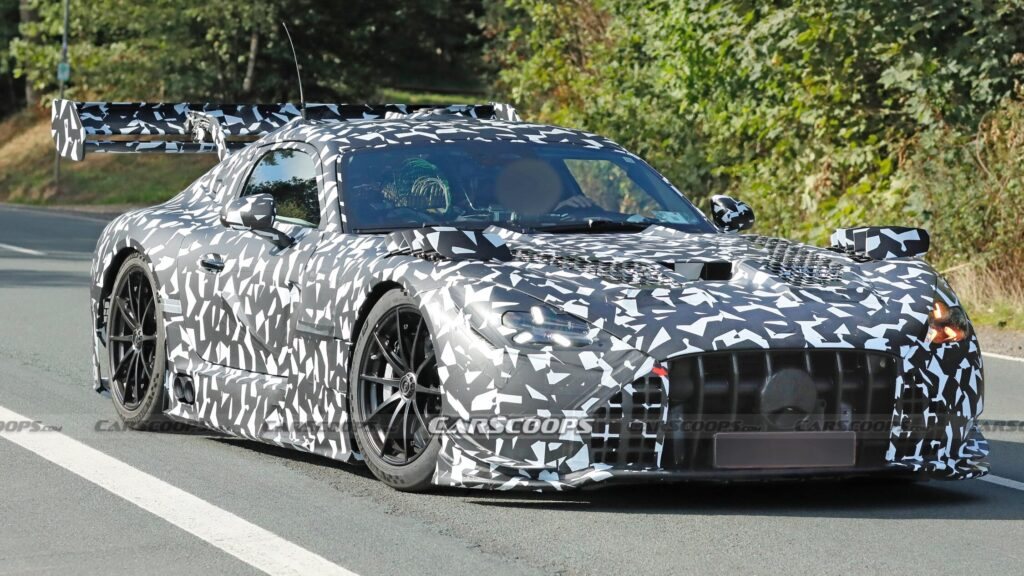
AMG GT Black Series Spied With Radical Aero Ahead of Nürburgring Record Attempt
Technology 117
BMW Confirms Next 3 Series Will Retain Plug-In Hybrid Power
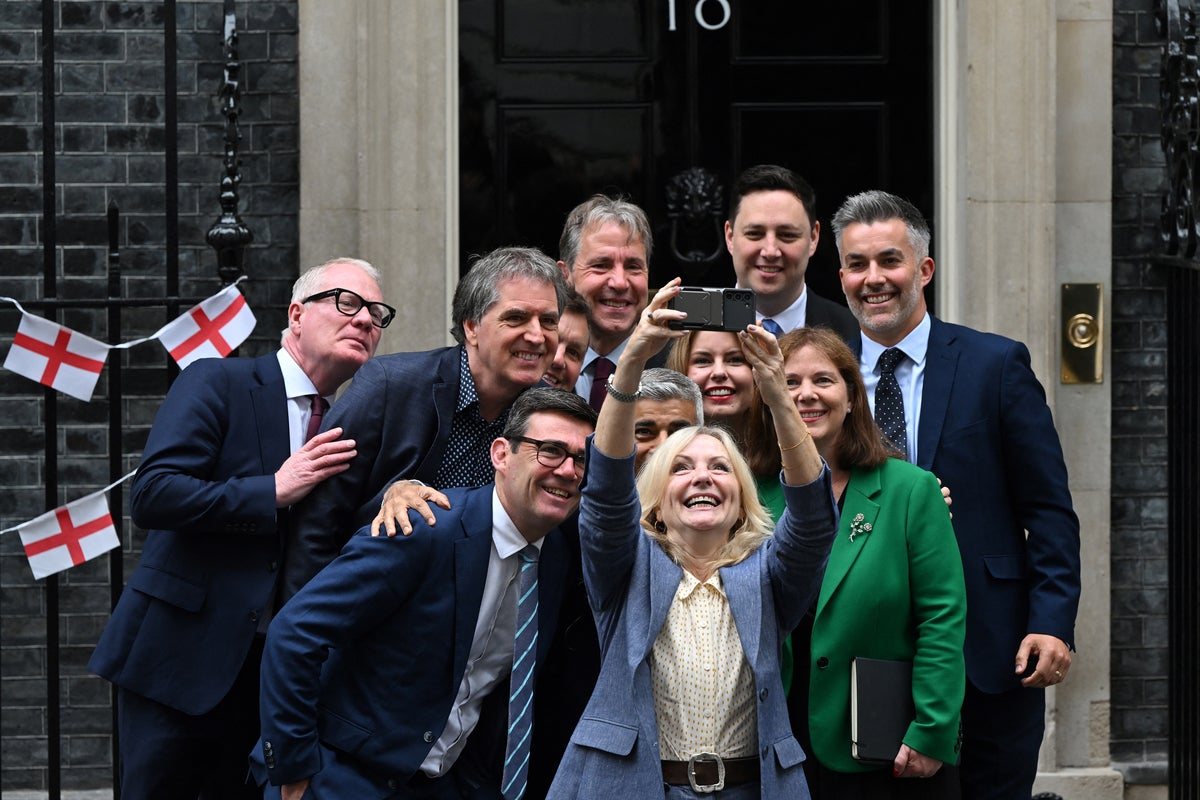
Prime Minister Andy Burnham has announced that regional mayors will play a central role in national economic policy as part of the opening of No 10 North in Manchester, reviving the national economic council to drive growth across the UK.
By George Kensington · 6 min read
Regional mayors are to be given a leading role in the United Kingdom's economic policy, Prime Minister Andy Burnham has announced, describing the opening of No 10 North in Manchester as "the biggest rebalancing of power our country has seen". The move marks a significant shift in how national decisions are made, with local leaders now set to have a direct say in shaping the country's economic direction.
Burnham, who became prime minister after leading the Labour Party to victory, has revived the National Economic Council (NEC), a body first established by Gordon Brown during the 2008 financial crisis. The NEC was originally created to put the government on a war footing to tackle the economic downturn, and Burnham argues that the same level of urgency, focus, and collective action is needed now to drive growth across all regions of the UK.
The new council will bring together senior government ministers, regional mayors, business leaders, and economic experts to coordinate policy on investment, infrastructure, skills, and industrial strategy. Under the plans, mayors from areas including Greater Manchester, the West Midlands, West Yorkshire, Liverpool City Region, and others will have a formal role in national policy decisions, rather than being limited to local transport, housing, and planning matters.
Speaking at the launch of No 10 North, Burnham said: "No one in government loses when power is shared. This is not just a No 10 in the north, it is an engine for growth throughout the whole UK." He emphasised that the new approach is designed to break down the traditional Whitehall-centric model of governance, where decisions affecting the entire country are made by officials in London with limited input from regional leaders.
The opening of No 10 North is a key part of Burnham's broader agenda to decentralise power and boost economic productivity outside the southeast of England. The new office, located in Manchester's city centre, will house a team of civil servants and policy advisers working directly on regional economic development. It is intended to serve as a permanent base for the prime minister and senior ministers when they are in the north, signalling a long-term commitment to rebalancing the economy.
Burnham has long been a vocal advocate for devolution, having served as the mayor of Greater Manchester before becoming prime minister. His experience in that role has shaped his belief that local leaders understand the needs of their communities better than central government officials. "We have spent too long with power concentrated in one city," he said. "The future of our country depends on spreading opportunity and prosperity to every corner of the UK."
The revival of the NEC has been welcomed by business groups and regional leaders, who argue that a more coordinated approach to economic policy is essential for tackling long-standing inequalities between different parts of the country. The council is expected to meet regularly, with its first sessions focusing on improving transport links, increasing investment in green energy, and addressing skills shortages in key industries such as manufacturing and digital technology.
However, the plans have also drawn some criticism from opposition politicians, who question whether the new council will have real decision-making power or simply serve as a talking shop. Burnham has insisted that the NEC will be a practical body with clear objectives and measurable outcomes. "This is not about more meetings," he said. "It is about making better decisions, faster, and with the people who know their areas best."
The announcement comes at a time when the UK economy faces significant challenges, including sluggish growth, high inflation, and regional disparities in productivity and employment. The government hopes that by giving regional mayors a direct role in national policy, it can unlock investment and create jobs in areas that have historically been left behind.
No 10 North is also seen as a symbolic move, demonstrating that the government is serious about shifting power away from London. The office will host regular cabinet meetings and policy summits, and Burnham has indicated that he intends to spend a significant amount of his time working from Manchester rather than Downing Street. "This is where the decisions that affect people's lives need to be made," he said. "Not in a bubble in Westminster, but in the communities we serve."
The broader devolution agenda is expected to include further transfers of powers to regional mayors, including greater control over skills funding, transport budgets, and housing policy. Burnham has also hinted at the possibility of elected mayors being given a role in national fiscal decisions, such as how public money is allocated to infrastructure projects.
For now, the immediate focus is on getting the NEC up and running, with the first meeting expected within weeks. The council will be co-chaired by the prime minister and a senior regional mayor, with membership drawn from across government and the devolved administrations. Burnham has described the initiative as "a new way of governing", one that he hopes will set a precedent for future administrations regardless of which party is in power.