
Business 110
Dacia CEO Urges EU to Freeze Small Car Rules to Cut Prices
In this issue
Business 110
Dacia CEO Urges EU to Freeze Small Car Rules to Cut Prices
Culture 89
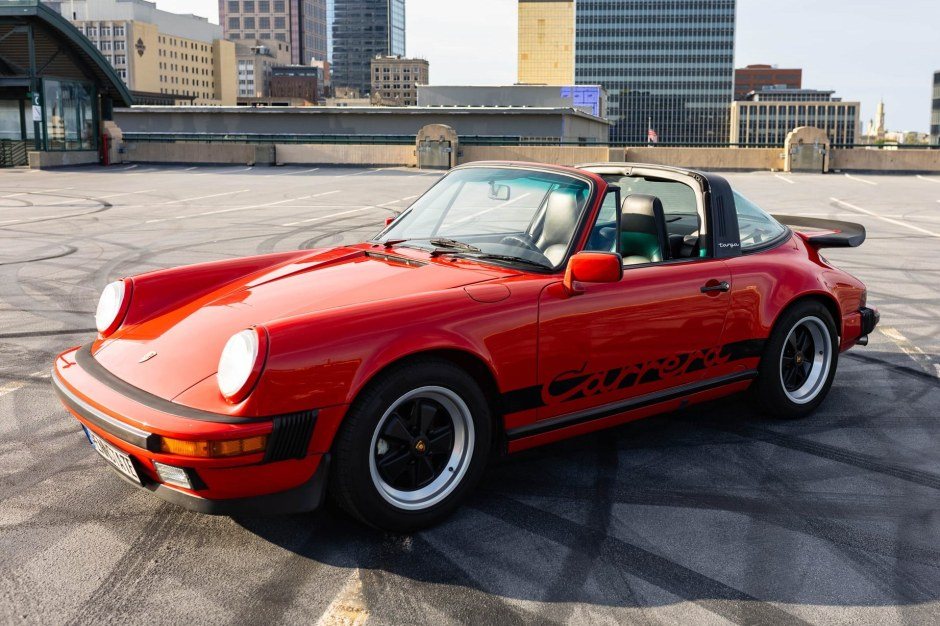
1988 Porsche 911 Carrera Targa G50 with Rebuilt Engine Heads to Auction
Economy 30
HMRC is writing to low earners about pension top-ups averaging about £70
News 124
Aftermarket Trackers Recover 99% of Stolen Cars as Factory Systems Fail
Politics 103
Met police open inquiry into alleged foreign donations to Reform UK
Sports 231
AMG GT Black Series Spied With Radical Aero Ahead of Nürburgring Record Attempt
Technology 117
BMW Confirms Next 3 Series Will Retain Plug-In Hybrid Power
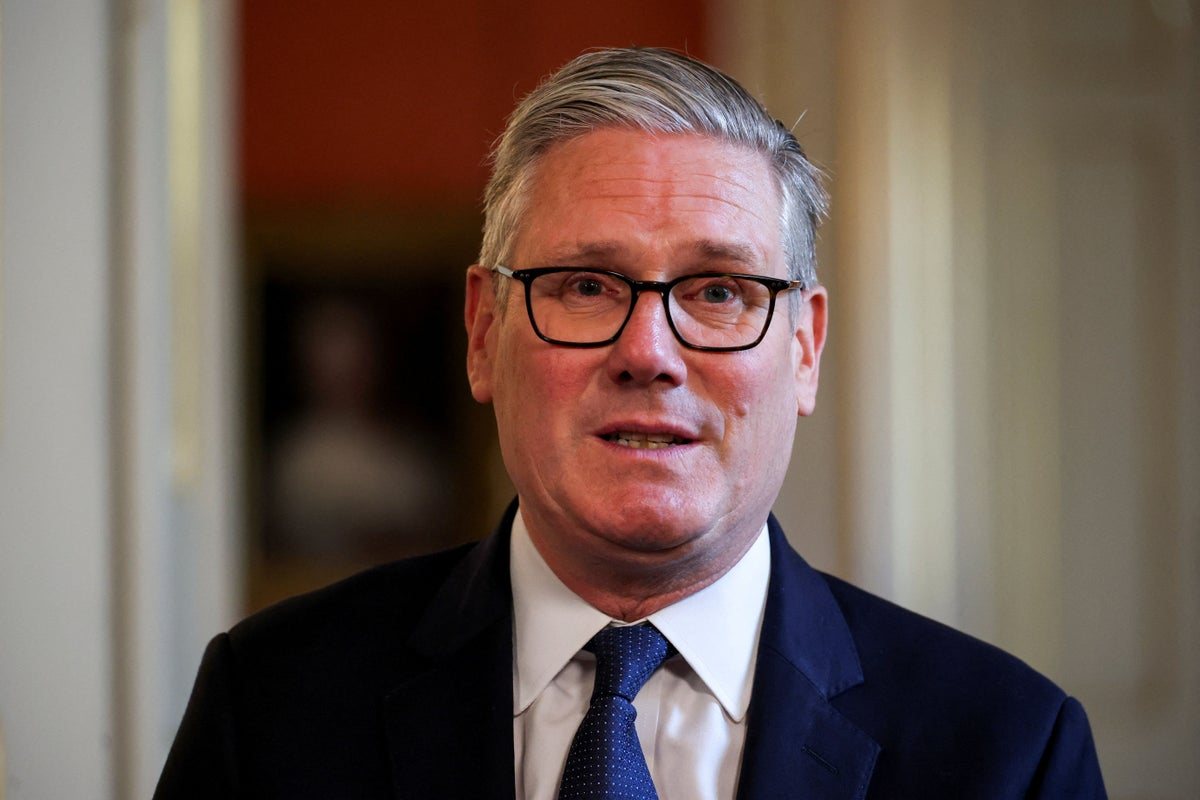
Keir Starmer has spoken publicly for the first time since resigning as prime minister, describing the decision as ‘intensely personal’ and insisting he holds no grudge against his likely successor, Andy Burnham.
By Edward Beaumont · 6 min read
Keir Starmer has insisted he bears no personal animosity towards Andy Burnham as he recounted the “tough” and “intensely personal” decision to resign as prime minister last month. In his first interview since stepping down, Starmer addressed the circumstances surrounding his departure and offered a pointed warning to his likely successor about the demands of international diplomacy.
Speaking to the BBC, Starmer described the resignation as one of the most difficult choices of his political career. He said the decision came after immense pressure from within the Labour Party, though he declined to elaborate on specific disagreements. “It was not an easy call, but it was the right one for the country and for the party,” he said. Starmer emphasised that his departure was not driven by personal grievances, particularly towards Burnham, who is widely expected to take over as Labour leader and prime minister.
“I have no personal animosity towards Andy,” Starmer said. “We have had our differences, but that is politics. What matters now is that the next leader is prepared for the challenges ahead.” The former prime minister’s remarks appeared aimed at dispelling speculation of a rift between the two senior Labour figures, which had intensified in the weeks leading up to his resignation.
Starmer also used the interview to caution Burnham against reducing the UK’s focus on international affairs. He warned that whoever replaces him will face the same global conflicts and domestic pressures, dismissing suggestions that a new prime minister could spend less time on foreign policy. “You cannot simply dial down diplomacy,” Starmer said. “The world does not pause because there is a change of leadership. The next prime minister will inherit a complex geopolitical landscape, and they must be ready to engage fully.”
The warning carries particular weight given Burnham’s previous emphasis on domestic priorities, including health, housing, and regional inequality. During his mayoral campaign in Greater Manchester, Burnham often stressed the need to shift resources away from international engagements towards local services. Starmer’s comments suggest that such a rebalancing may be unrealistic in the current global climate.
Starmer’s resignation last month followed a period of intense internal party strife, with factions within Labour clashing over policy direction, electoral strategy, and the government’s handling of the economy. While Starmer had led the party to a general election victory two years ago, his premiership was marked by persistent challenges, including a cost-of-living crisis, industrial unrest, and ongoing tensions over Brexit-related trade arrangements.
The former prime minister reflected on his tenure with a mix of pride and regret. “I believe I was a successful prime minister in difficult circumstances,” he said. “We delivered on many of our promises, but there were also moments where I wish we could have moved faster.” He cited achievements in renewable energy investment, NHS funding increases, and the introduction of a new workers’ rights bill as highlights of his time in office.
Burnham, who has served as Mayor of Greater Manchester since 2017, has yet to formally declare his candidacy for the Labour leadership, but he is widely regarded as the frontrunner. His allies have indicated that he will focus on a platform of economic reform, devolution, and public service improvement. However, Starmer’s interview serves as a reminder that the next prime minister will also have to navigate a volatile international environment, including the war in Ukraine, tensions with China, and the aftermath of the US presidential election.
Political analysts have noted that Starmer’s public endorsement of Burnham, albeit conditional, could help smooth the transition. “Starmer is signalling that he will not be a disruptive figure from the backbenches,” said Dr. Eleanor Shaw, a politics lecturer at the University of Birmingham. “By stating that he has no personal animosity, he is effectively giving Burnham room to lead without the shadow of a former leader constantly criticising him.”
Starmer also vowed to “keep his mouth shut” once Burnham takes charge, a phrase that drew both amusement and scepticism from commentators. “I have said what I needed to say,” Starmer added. “Now it is time for the next generation to take over. I will support the new leader, but I will not be a backseat driver.”
The interview marks the beginning of a new phase in British politics, as Labour prepares for a leadership contest that will shape the party’s direction for years to come. Burnham is expected to face challenges from other potential candidates, including shadow cabinet members who may argue for a more radical agenda. However, Starmer’s implicit backing could prove decisive in consolidating support behind the Greater Manchester mayor.
For now, Starmer’s message is clear: the job of prime minister is not one that can be done on a part-time basis, and the next occupant of Number 10 must be prepared for the full weight of the role. Whether Burnham heeds that warning remains to be seen, but the former prime minister has made his position unmistakable.