
Business 110
Dacia CEO Urges EU to Freeze Small Car Rules to Cut Prices
In this issue
Business 110
Dacia CEO Urges EU to Freeze Small Car Rules to Cut Prices
Culture 89
1988 Porsche 911 Carrera Targa G50 with Rebuilt Engine Heads to Auction
Economy 30
HMRC is writing to low earners about pension top-ups averaging about £70
News 124
Aftermarket Trackers Recover 99% of Stolen Cars as Factory Systems Fail
Politics 103
Met police open inquiry into alleged foreign donations to Reform UK
Sports 231
AMG GT Black Series Spied With Radical Aero Ahead of Nürburgring Record Attempt
Technology 116
Waymo Expands Driverless Ride-Hailing to Las Vegas
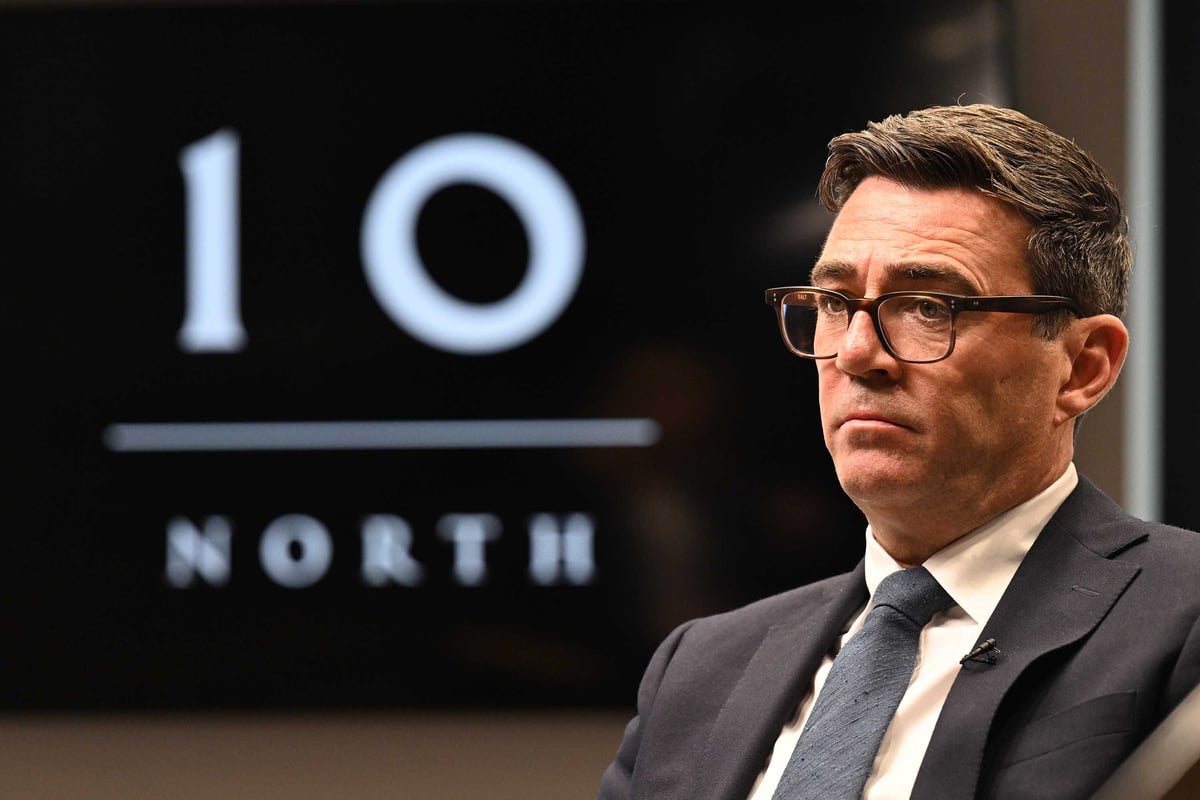
Prime Minister Andy Burnham faces opposition from the Conservatives and Reform UK over his proposal to reform adult social care, with both parties pledging to fight any tax increases. Burnham argues the system is unsustainable and the NHS will collapse without change.
By Charlotte Redford · 5 min read
Prime Minister Andy Burnham's ambitious plans to overhaul adult social care have encountered immediate and strong opposition from the Conservative Party and Reform UK, both of which have vowed to block any measure that would increase taxes or borrowing. Burnham, who has made social care reform a centrepiece of his premiership, argues that the current system is unsustainable and that without major changes, the National Health Service will face collapse.
Speaking about the deep interconnection between health and social care, Burnham outlined a moral and economic case for reform. He stated that there is a moral imperative to ensure older and disabled people can live independently with dignity, and a compelling economic argument that millions of people with unmet care needs, along with unpaid carers and disabled adults, are prevented from working and participating fully in society. Better social care would also reduce hospital discharge delays, but he cautioned against the idea that fixing social care alone would solve all the NHS's problems.
The opposition parties were swift to respond. Conservative leader Kemi Badenoch issued a stark warning, demanding that Burnham rule out any tax rises or additional borrowing to fund his proposals. She accused the prime minister of reviving the so-called «death tax» rhetoric that has historically derailed social care debates. Reform UK echoed this, stating it would oppose any plan that increases the tax burden on households. Both parties argue that the public cannot afford further fiscal pressure after years of high inflation and strained living standards.
Burnham has so far declined to provide a specific timeline for introducing a new care system, saying only that reform is a top priority. In his first major interview since taking office, he stressed the necessity of change but acknowledged the political difficulty. «Debates about social care are too often haunted by 'death tax' rhetoric and the costs of improving the system rather than focussed on the tangible benefits reform could bring for people and families,» he said.
The prime minister's broader fiscal agenda includes efforts to reduce the welfare bill. According to reports, Burnham has vowed to make it harder for people to claim benefits, aiming to «get serious» about cutting welfare spending. This move is seen as part of a strategy to fund social care reforms without raising taxes, though the opposition remains sceptical.
Political analysts note that social care reform has proved a graveyard for previous governments, with both Labour and Conservative administrations failing to deliver lasting change. The funding question has been the primary stumbling block. Burnham's government appears to be attempting a more holistic approach, but the united opposition from the right suggests a fraught legislative process ahead.
Internally, the Labour Party faces its own turbulence. Monica Lennon, the current sole candidate for the Scottish Labour leadership, has criticised former leader Keir Starmer for being «selfish and stubborn» in refusing to step down sooner. She argued that Starmer's actions contaminated public perceptions of Scottish Labour, which suffered its worst ever election result in the Scottish parliament. The party has been losing seats and votes since 1999, a downward trend that cannot be ignored, she said. While this internal criticism is directed at Starmer, it underscores the broader political fragility that Burnham must navigate as he seeks support for his reform agenda.
Burnham's office has not directly addressed the internal dissent, instead reiterating the need for cross-party cooperation on social care. The coming months will test whether the prime minister can overcome both external opposition and internal party divisions to deliver a reform that has eluded his predecessors.