
Business 110
Dacia CEO Urges EU to Freeze Small Car Rules to Cut Prices
In this issue
Business 110
Dacia CEO Urges EU to Freeze Small Car Rules to Cut Prices
Culture 89
1988 Porsche 911 Carrera Targa G50 with Rebuilt Engine Heads to Auction
Economy 30
HMRC is writing to low earners about pension top-ups averaging about £70
News 124
Aftermarket Trackers Recover 99% of Stolen Cars as Factory Systems Fail
Politics 103
Met police open inquiry into alleged foreign donations to Reform UK
Sports 231
AMG GT Black Series Spied With Radical Aero Ahead of Nürburgring Record Attempt
Technology 116
Waymo Expands Driverless Ride-Hailing to Las Vegas
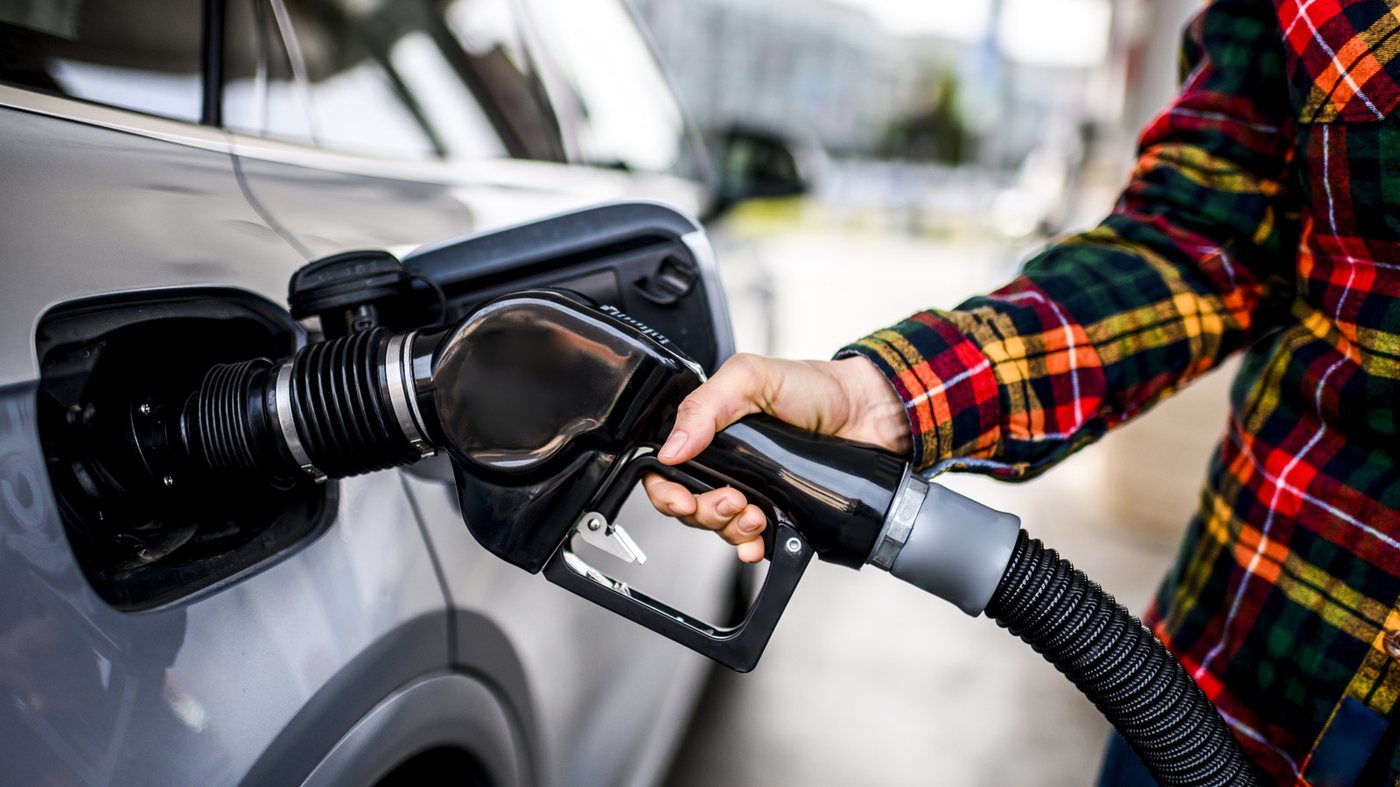
The Trump administration is bringing forward the availability of cheaper winter-blend petrol by two weeks in an effort to ease record-high prices at the pump ahead of the US midterm elections.
By Edward Beaumont · 4 min read
The Trump administration has moved to make cheaper winter-blend petrol available two weeks ahead of schedule, a decision widely seen as an attempt to ease the pressure of record-high fuel prices on American motorists before the midterm elections. The move comes after August recorded the most expensive average petrol prices for that month in US history, a trend that threatens to weigh heavily on Republican candidates in November.
Winter-blend petrol is typically cheaper to produce than the summer blend, which is formulated to reduce smog in warmer weather. By allowing the earlier switch, the Environmental Protection Agency hopes to increase supply and bring some relief to consumers who have faced sustained increases at the pump. The adjustment is temporary and applies to areas where the summer blend is normally required until 15 September.
The decision underscores the political sensitivity of fuel costs in the United States, where petrol prices are a highly visible economic indicator and a frequent source of voter discontent. With inflation already a dominant issue in the election campaign, the administration is under considerable pressure to demonstrate that it is acting on household finances. The early release of winter fuel is one of the few tools available to the federal government that can have an immediate, if modest, effect on prices.
Industry analysts note that the change may provide some marginal relief, but the broader factors driving prices higher remain in place. Global crude oil costs, refinery capacity constraints, and strong demand during the summer driving season have all contributed to the current situation. The average price for a gallon of regular petrol in the United States has remained stubbornly above the levels seen in previous years, and experts caution that the winter-blend switch alone is unlikely to reverse the trend.
The move also carries a degree of risk for the administration. Environmental groups have criticised the early waiver, arguing that it could lead to increased air pollution in some regions during the remaining warm weeks. The EPA has defended the decision as a necessary step to address an urgent economic concern, while stressing that the waiver is limited in scope and duration.
For Republican strategists, the timing of the announcement is significant. The midterm elections are now only weeks away, and control of both chambers of Congress is at stake. Fuel prices are consistently cited by voters as one of their top concerns, and the party in power typically bears the brunt of public frustration when costs rise. The administration’s decision to act on the winter-blend rule is a clear acknowledgement of that political reality.
Democrats have seized on the issue as well, arguing that the administration’s energy policies have failed to address the root causes of high prices. They point to the need for longer-term investment in refining capacity and domestic production, as well as measures to reduce dependence on imported oil. The debate over petrol prices is likely to remain a central theme in the final stretch of the campaign, with both parties seeking to convince voters that they have the better plan for the economy.
The early availability of winter-blend petrol is expected to take effect within days, giving motorists in affected areas access to the cheaper fuel sooner than planned. Whether the move will be enough to shift public opinion remains uncertain, but it represents one of the most direct interventions the administration has made in the fuel market this year.