
Business 110
Dacia CEO Urges EU to Freeze Small Car Rules to Cut Prices
In this issue
Business 110
Dacia CEO Urges EU to Freeze Small Car Rules to Cut Prices
Culture 89
1988 Porsche 911 Carrera Targa G50 with Rebuilt Engine Heads to Auction
Economy 30
HMRC is writing to low earners about pension top-ups averaging about £70
News 124
Aftermarket Trackers Recover 99% of Stolen Cars as Factory Systems Fail
Politics 103
Met police open inquiry into alleged foreign donations to Reform UK
Sports 231
AMG GT Black Series Spied With Radical Aero Ahead of Nürburgring Record Attempt
Technology 117
BMW Confirms Next 3 Series Will Retain Plug-In Hybrid Power
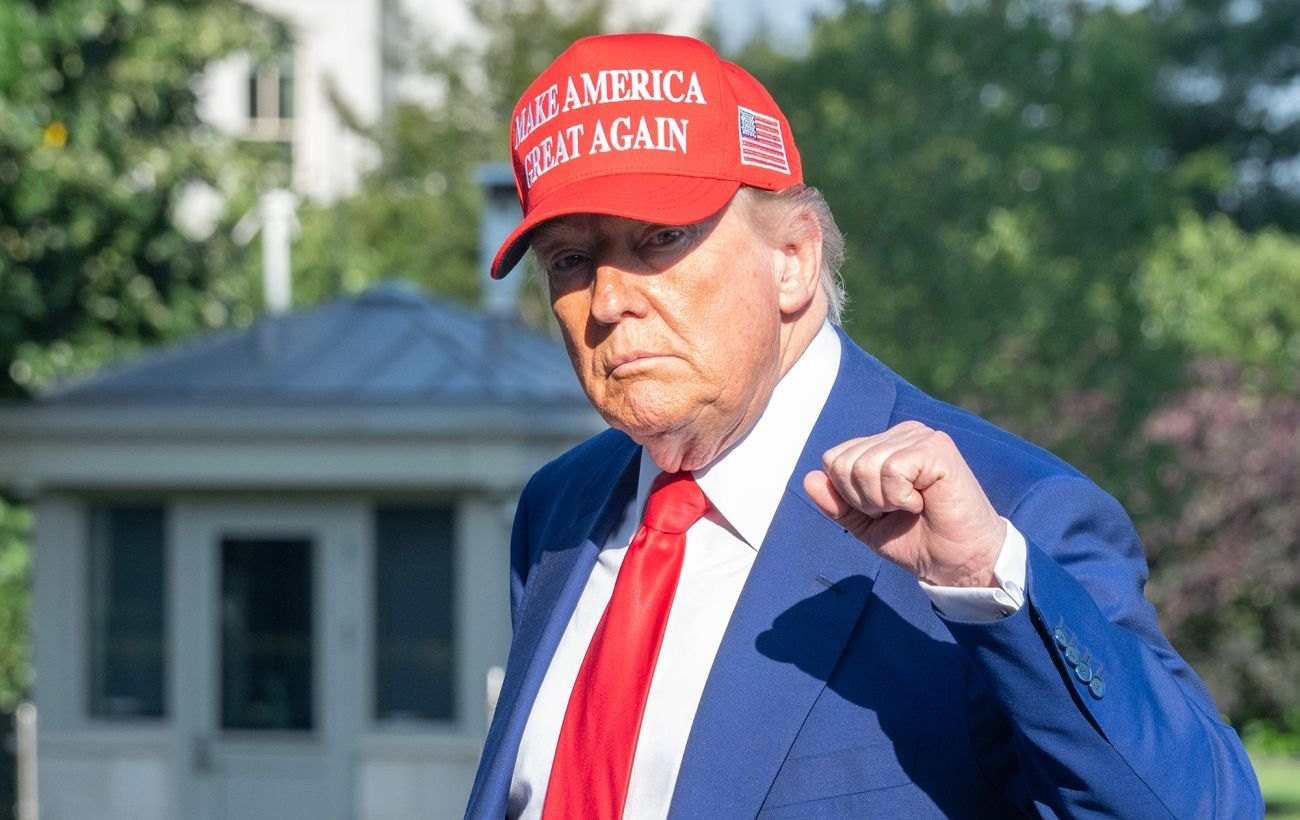
The Trump administration is launching a major reorganisation of US foreign aid to promote MAGA ideology in Europe, with the State Department notifying lawmakers of a $2 million grant to counter censorship and challenge EU digital regulations.
By Edward Beaumont · 4 min read
The administration of Donald Trump has begun a sweeping reorganisation of United States foreign aid, redirecting funds to promote the Make America Great Again (MAGA) ideology in Europe and beyond. The White House is preparing a series of grants designed to support projects aligned with Washington's new political priorities, marking a significant shift in how American taxpayer money is spent abroad.
The State Department has already sent an official notification to lawmakers regarding new expenditures, according to reports from Reuters and the Financial Times cited by RBC-Ukraine. The document outlines a $2 million allocation specifically aimed at combating censorship in Europe. The funds are intended to challenge the European Union's Digital Services Act (DSA) and Digital Markets Act (DMA), regulations that Trump has repeatedly criticised as instruments of free speech restriction.
This initiative represents a paradoxical turn for the president, who at the start of his term sought to limit the influence of the United States Agency for International Development (USAID), viewing it as part of an outdated bureaucratic system. Now, instead of traditional humanitarian programmes, the agency is being used to advance the MAGA agenda, fundamentally overhauling a foreign assistance framework built over decades.
The core principles of the MAGA movement include putting America first over international agreements, scepticism toward supranational bodies such as the United Nations and the World Health Organization, an uncompromising stance on free speech that opposes content moderation, economic protectionism through tariffs, and the funding of programmes that strengthen national identity and traditional values.
The reorganisation has alarmed European leaders, who see it as an attempt to interfere in the internal affairs of the European Union. Financing movements that are oppositional to Brussels could significantly increase tensions among NATO allies. Washington, however, insists on its right to support those who share its views on market freedom and information policy.
According to The Guardian, the Trump administration is also planning to grant $12 million to groups founded by prominent UK conservatives, including Jacob Rees-Mogg and Toby Young. The Telegraph has reported that the US is offering a $3 million reward for what it describes as Europe's most MAGA-aligned group. These reports indicate a coordinated effort to expand American ideological influence across the Atlantic.
The grant programme is described as only the first step in this direction, with funding volumes for similar initiatives expected to grow by the end of the year. The administration appears to be systematically identifying and supporting organisations that align with its political vision, using financial leverage to reshape the European political landscape.
In related developments, Trump recently announced additional tariffs against Canada, citing dissatisfaction with smoke from Canadian wildfires drifting into the United States, despite Ottawa's regular assistance when wildfires occur on American soil. He has also proposed introducing paid access for traders to his posts on his social media platform Truth Social, seeking to monetise the market-moving impact of his statements.
The shift in US foreign aid strategy represents one of the most significant changes in American international engagement in recent decades. By channelling funds through USAID to support ideological allies abroad, the administration is effectively transforming a development agency into a vehicle for political advocacy, raising questions about the long-term implications for transatlantic relations and the future of international cooperation.