
Business 110
Dacia CEO Urges EU to Freeze Small Car Rules to Cut Prices
In this issue
Business 110
Dacia CEO Urges EU to Freeze Small Car Rules to Cut Prices
Culture 89
1988 Porsche 911 Carrera Targa G50 with Rebuilt Engine Heads to Auction
Economy 30
HMRC is writing to low earners about pension top-ups averaging about £70
News 124
Aftermarket Trackers Recover 99% of Stolen Cars as Factory Systems Fail
Politics 103
Met police open inquiry into alleged foreign donations to Reform UK
Sports 231
AMG GT Black Series Spied With Radical Aero Ahead of Nürburgring Record Attempt
Technology 117
BMW Confirms Next 3 Series Will Retain Plug-In Hybrid Power
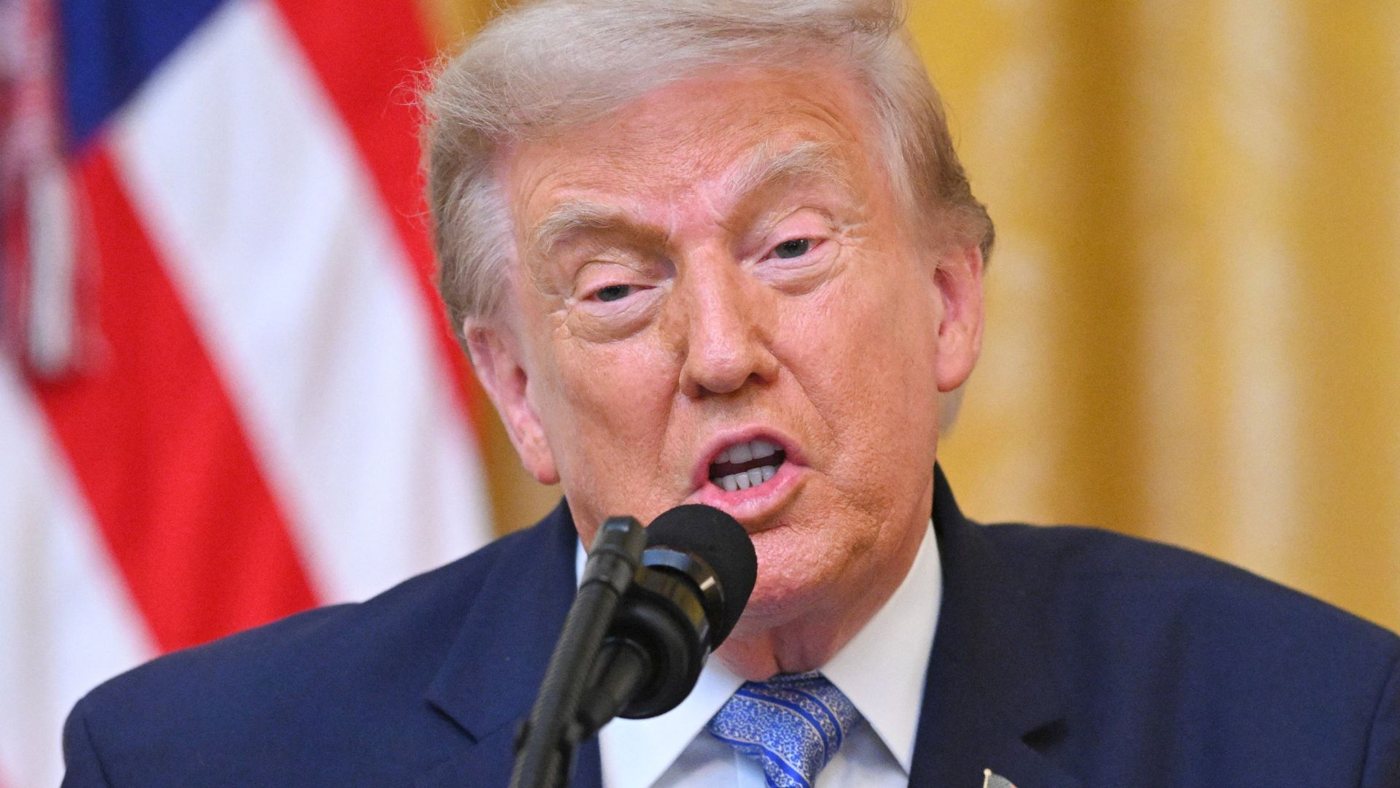
Donald Trump used a primetime address from the White House to repeat unsubstantiated claims about the 2020 election, accusing China of meddling and releasing heavily redacted documents he said prove widespread fraud.
By Eleanor Ellington · 5 min read
Donald Trump delivered a primetime address from the East Room of the White House on Thursday evening, repeating long-standing and unsubstantiated claims about the 2020 US presidential election and releasing a set of heavily redacted documents that he said constituted new evidence of widespread fraud. The speech, which was broadcast live, marked the latest effort by the former president to cast doubt on the integrity of the US electoral system, despite numerous court rulings and official audits that have confirmed the legitimacy of the 2020 result.
During the address, Trump accused China of what he called «sinister election meddling», alleging without providing verifiable proof that Beijing had infiltrated US voter databases and accessed as many as 220 million voter files. He also railed against US intelligence agencies, describing them as part of a «deep state» that had conspired against him. The president’s remarks were met with immediate criticism from election security experts and political opponents, who dismissed the claims as baseless and dangerous.
The documents released by the White House were heavily redacted, with large portions blacked out, making it impossible to independently verify the claims they were supposed to support. Critics noted that the release appeared designed to generate headlines rather than to provide substantive evidence. The White House website briefly crashed shortly after the documents were posted, according to reports, suggesting a surge in traffic from supporters and curious viewers.
Trump’s speech comes at a time of heightened political tension in the United States, with the 2026 midterm elections approaching and ongoing investigations into the January 6 Capitol riot. The president has never conceded the 2020 election, which he lost to Joe Biden, and continues to rally his base around the narrative of a stolen election. Legal challenges filed by his campaign and allies were rejected by dozens of courts, including the Supreme Court, and multiple audits and recounts in key battleground states affirmed Biden’s victory.
The address was scheduled as a primetime event, a format typically reserved for major national announcements. Trump began with a recitation of what he described as his accomplishments in office, including economic growth and border security, before pivoting to the election allegations. He did not present any new witnesses or forensic evidence that had not been previously examined and dismissed by authorities.
Reaction from Democratic leaders was swift. House Speaker Nancy Pelosi called the speech «a disgraceful attempt to undermine American democracy with totally bogus claims». Senate Majority Leader Chuck Schumer said the address was «a desperate act by a president who cannot accept reality». Several Republican lawmakers remained silent or offered tepid support, while a few echoed Trump’s allegations, calling for further investigation.
Election security experts have repeatedly stated that the 2020 election was the most secure in American history. The Cybersecurity and Infrastructure Security Agency (CISA), which was part of the Department of Homeland Security, declared at the time that there was no evidence of any foreign interference that altered votes or disrupted the voting process. Trump’s allegations against China have not been supported by any US intelligence assessment.
The release of redacted documents and the primetime address are widely seen as an effort by Trump to keep the election fraud narrative alive ahead of the upcoming midterms, where control of Congress will be at stake. Political analysts suggest that the strategy may energize his base but could also alienate moderate voters who are weary of the ongoing controversy.
As the speech concluded, Trump promised to release more information in the coming weeks, though he did not provide a timeline or specify what new evidence might emerge. The White House did not respond to requests for comment on the authenticity or sourcing of the documents. The event underscored the deep divisions in American politics and the enduring power of Trump’s claims among a significant portion of the electorate.