Business 110
Dacia CEO Urges EU to Freeze Small Car Rules to Cut Prices
In this issue
Business 110
Dacia CEO Urges EU to Freeze Small Car Rules to Cut Prices
Culture 89
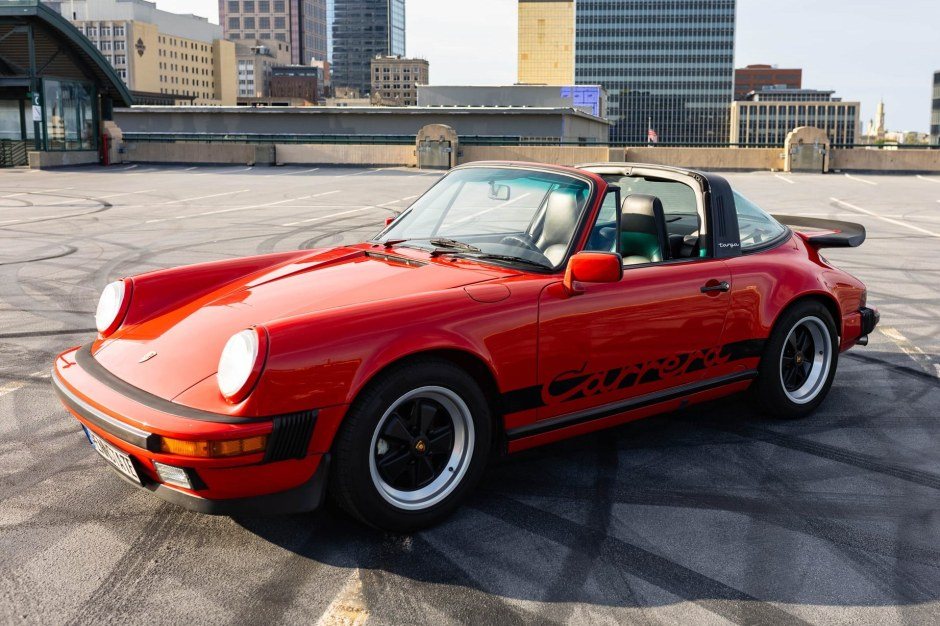
1988 Porsche 911 Carrera Targa G50 with Rebuilt Engine Heads to Auction
Economy 30
HMRC is writing to low earners about pension top-ups averaging about £70
News 124
Aftermarket Trackers Recover 99% of Stolen Cars as Factory Systems Fail
Politics 103
Met police open inquiry into alleged foreign donations to Reform UK
Sports 231
AMG GT Black Series Spied With Radical Aero Ahead of Nürburgring Record Attempt
Technology 117
BMW Confirms Next 3 Series Will Retain Plug-In Hybrid Power
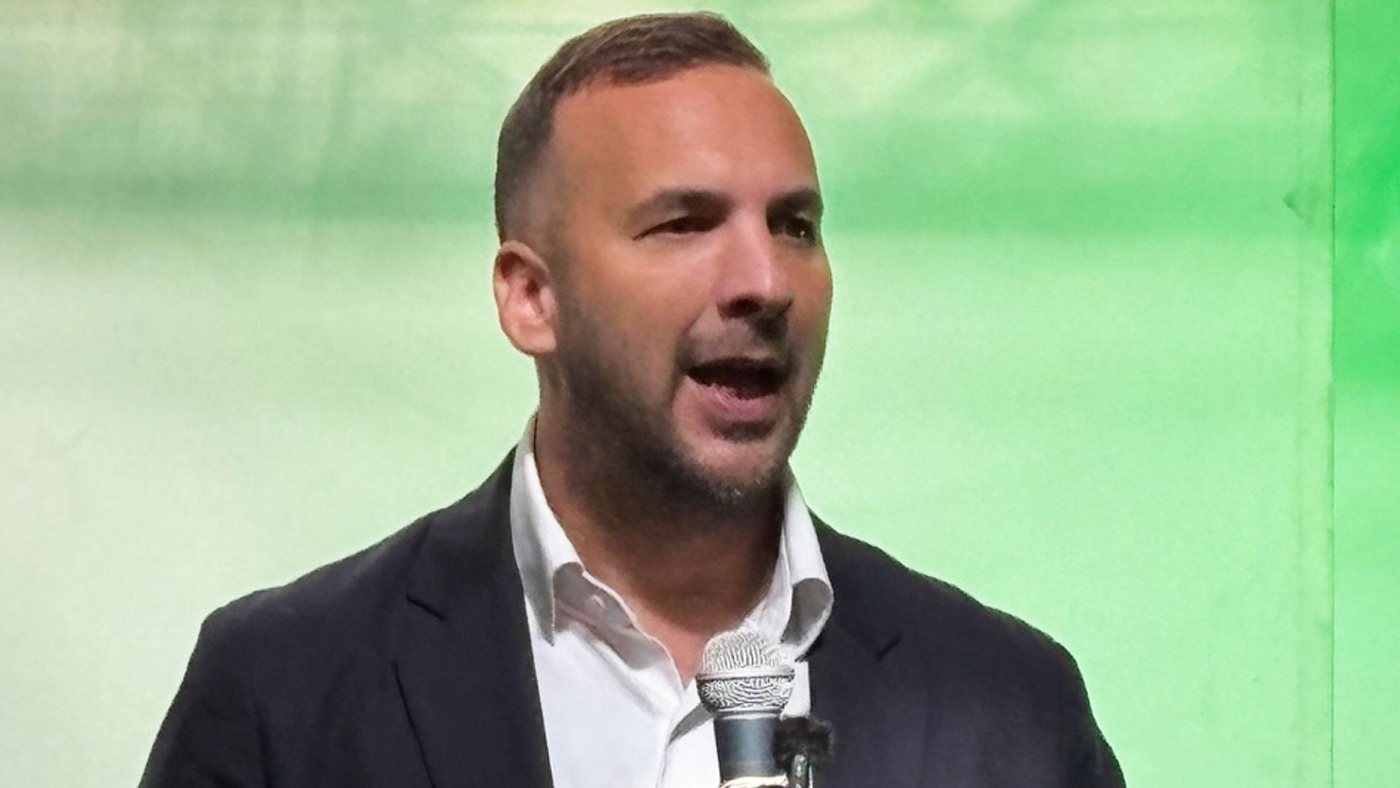
Green Party co-leader Zack Polanski has refused to apologise for posting an image of a T-shirt depicting the execution of Reform UK leader Nigel Farage by guillotine. The post has drawn condemnation from a cabinet minister and calls for consequences from Farage himself.
By Eleanor Ellington · 4 min read
Green Party co-leader Zack Polanski has refused to apologise after posting an image on social media that appeared to call for the execution of Reform UK leader Nigel Farage. The post, which showed a T-shirt bearing a guillotine design and a reference to Mr Farage, has drawn sharp criticism from across the political spectrum, including from a cabinet minister.
Speaking at a campaign event in Hulme, Manchester, where he was supporting the party's Greater Manchester mayoral candidate Geraldine Coggins, Mr Polanski defended his actions. "I've not done anything wrong," he told reporters, declining to remove the post or issue an apology. The image, shared on his account on X, showed an individual wearing a T-shirt with the slogan "Guillotine Nigel Farage" and a depiction of the execution device.
The post was met with immediate backlash. A cabinet minister described the image as "deeply irresponsible" and urged Mr Polanski to reflect on the potential consequences of such language in the current political climate. The minister, who spoke on condition of anonymity, said that public figures had a duty to avoid imagery that could be interpreted as inciting violence.
Mr Farage himself responded forcefully, writing in a column that Mr Polanski must face consequences for "his appalling guillotine tweet". He argued that the risk of political violence was "all too real" and referenced recent incidents that have heightened security concerns for politicians. Mr Farage also called on the Green Party to take action against its leader.
The controversy has placed the Green Party under scrutiny. The party's leadership has yet to issue an official statement on the matter, but sources within the party indicated that there were internal discussions about the appropriateness of the post. Mr Polanski, who was elected co-leader in 2022 alongside Carla Denyer, has positioned himself as a vocal campaigner on climate and social justice issues.
This is not the first time a political figure has faced criticism for online content. However, the explicit nature of the imagery has raised questions about the boundaries of acceptable political expression. Some commentators have drawn parallels with past incidents where MPs received death threats, underscoring the heightened sensitivity around references to political killings.
The episode comes at a time of increased tension in British politics, with debates over immigration, Brexit, and public services often becoming heated. The use of violent metaphors and symbols has been condemned by leaders across parties, who have stressed the importance of maintaining a civil discourse.
Mr Polanski, meanwhile, has shown no signs of backing down. In further posts on social media, he has continued to defend the image as a piece of satirical protest art, insisting that it was not intended as a genuine threat but as a comment on political power. Critics have rejected this explanation, arguing that satire should not involve graphic depictions of execution.
The incident has also drawn attention to the lack of consistent guidelines on social media conduct for party leaders. While the Green Party has its own code of conduct, it remains unclear whether Mr Polanski's actions breach it. The party's internal processes for handling such complaints are not publicly known.
As the row continues, the focus remains on whether any formal action will be taken against Mr Polanski, either by his party or by the police. No official complaint has been reported, but the matter has reignited debate about the responsibility of politicians in the digital age.