Business 235
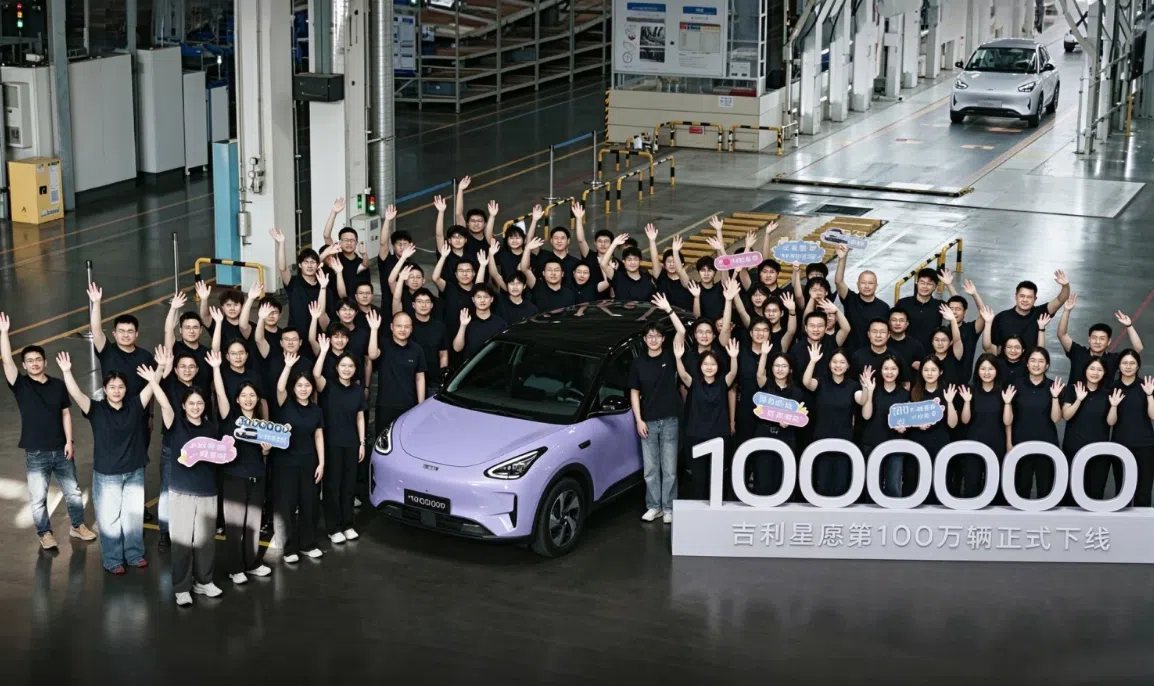
Geely's compact EV hits one million sales in two years
In this issue
Business 235
Geely's compact EV hits one million sales in two years
Culture 271
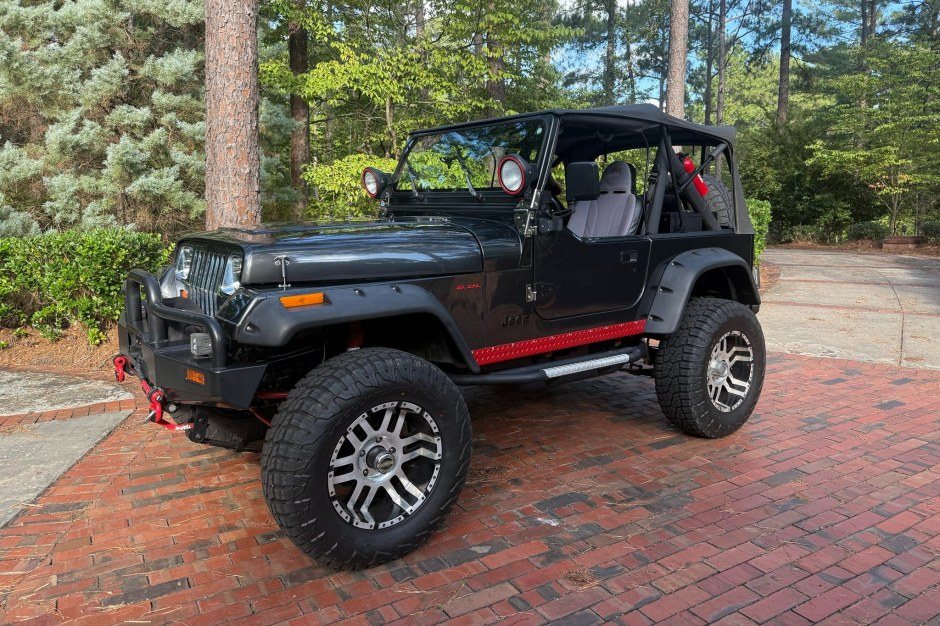
LS2-Powered 1989 Jeep Wrangler Laredo Heads to Auction
Economy 41
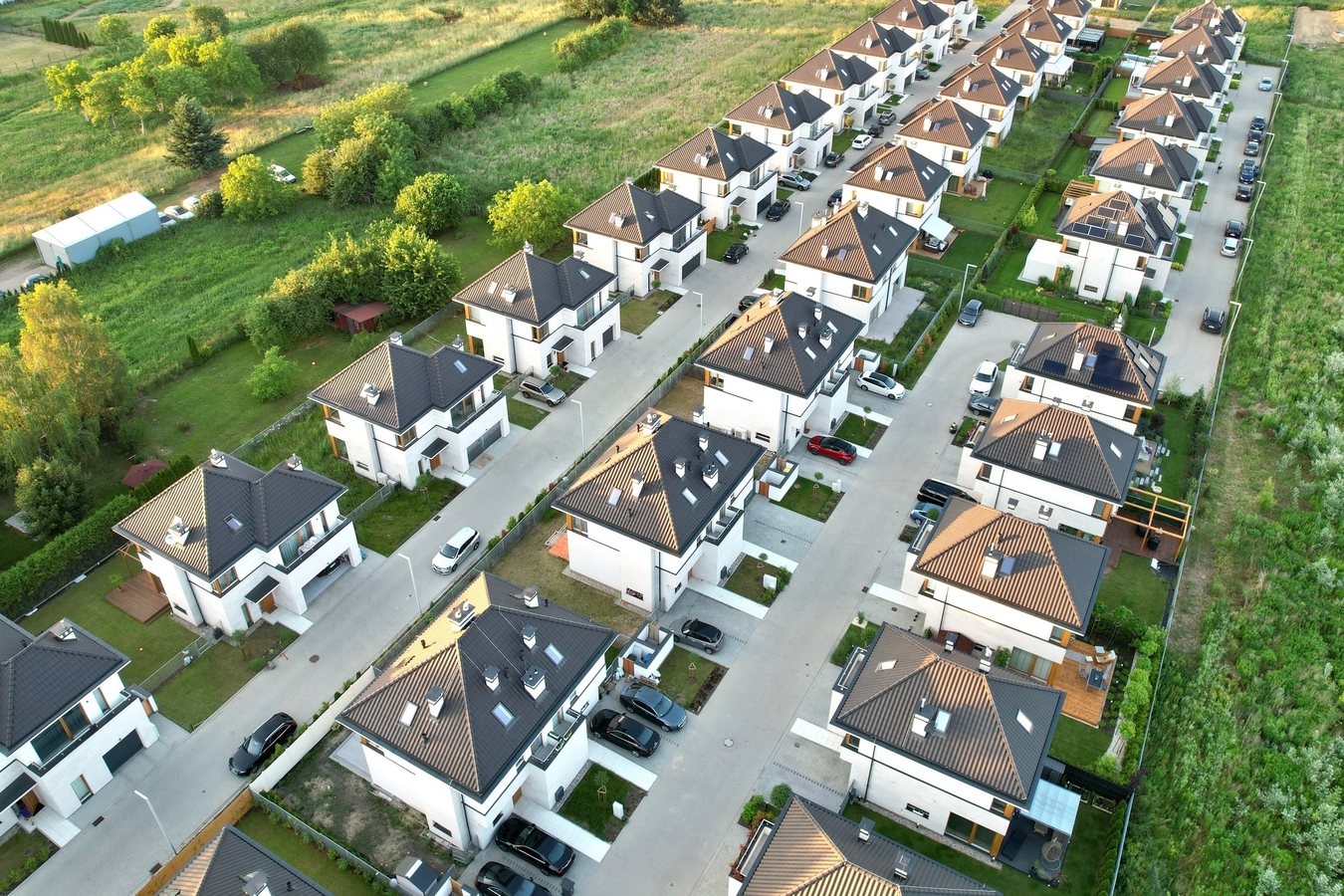
German Economists Set Income Threshold for the Upper Class
News 158
EU Loosens 2035 Emissions Targets in Move That Could Keep Petrol Cars Alive
Politics 115
Burnham launches crackdown on loud music on public transport
Sports 280
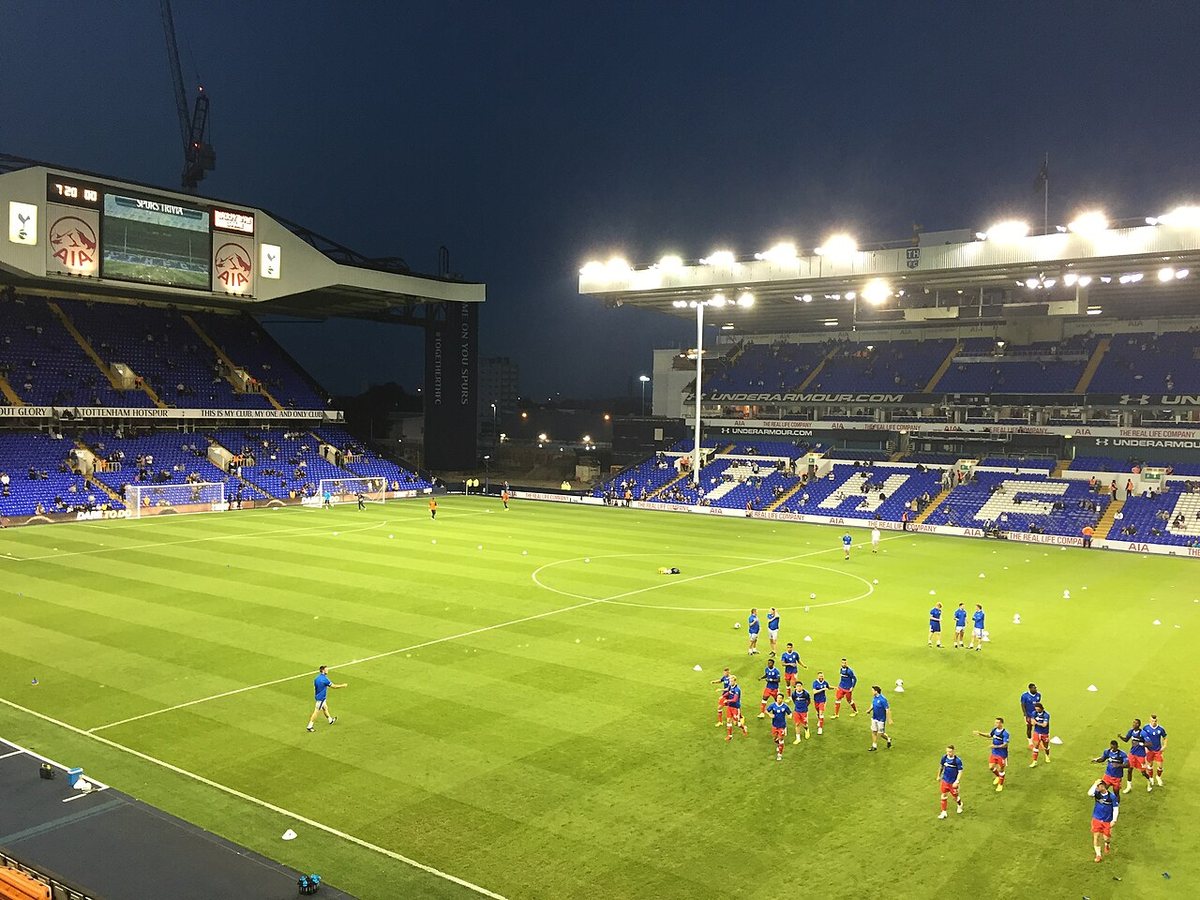
Tottenham beat Coventry as De Zerbi faces injury concerns
Technology 319
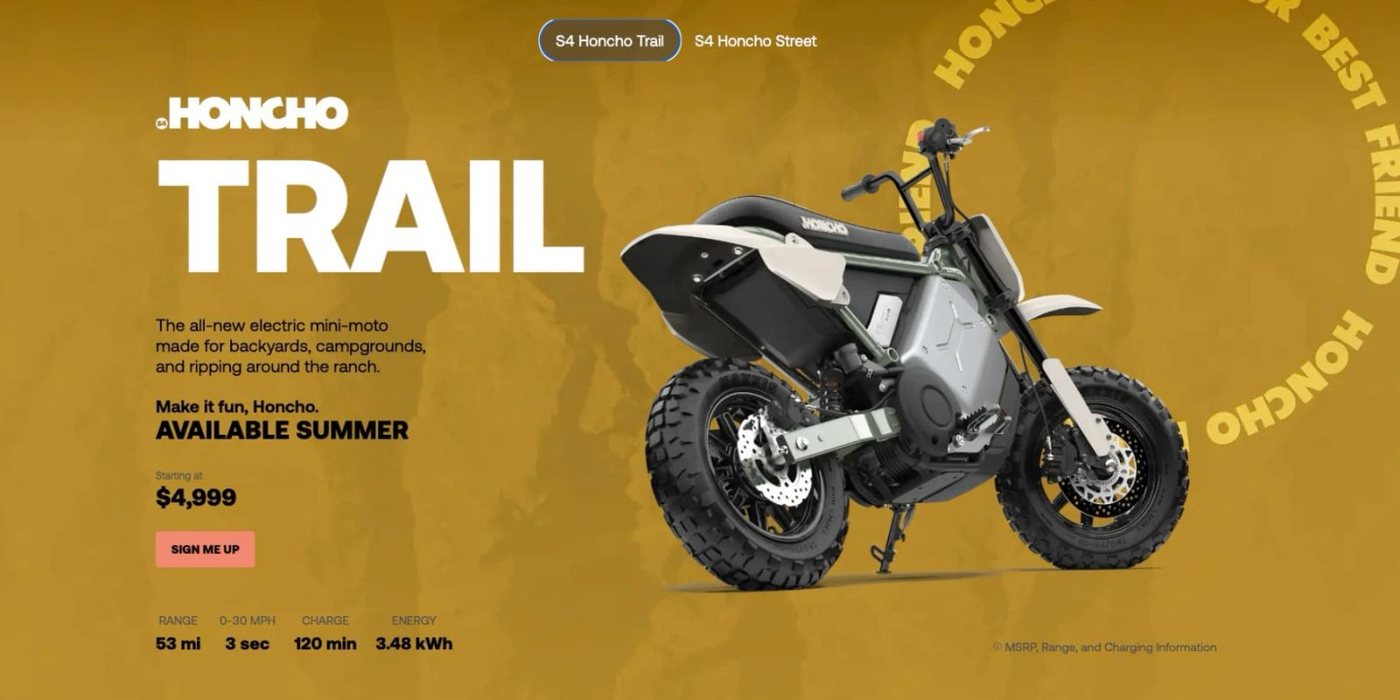
LiveWire to Unveil Two New Electric Motorcycles at EICMA
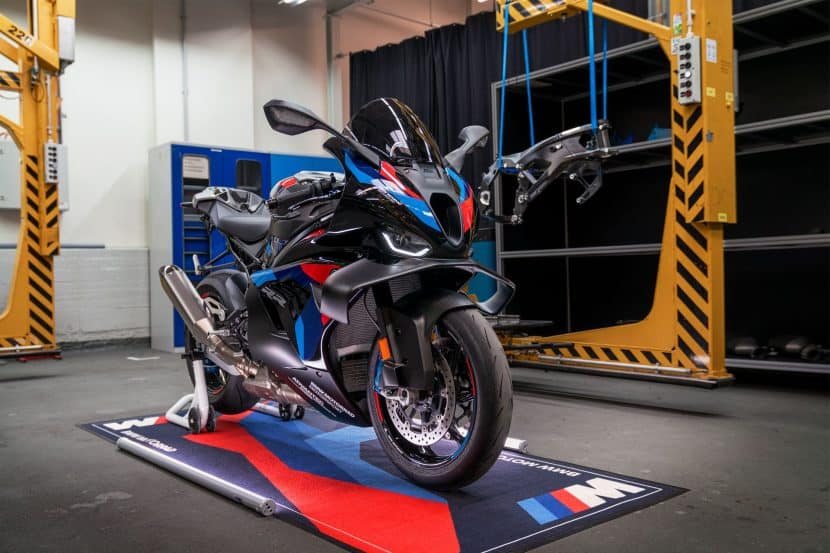
BMW Motorrad will equip the 2027 M 1000 RR with a third-generation aluminium frame that is 1.3 kg lighter and designed to flex for better tyre contact, bringing a WorldSBK-derived concept to the road bike.
By Eleanor Ellington · 4 min read
BMW Motorrad will fit a new third-generation M Motorsport frame to the BMW M 1000 RR as standard from model year 2027. The aluminium frame is around 1.3 kg lighter than the version it replaces, with wall thicknesses reduced by up to 30 per cent, and BMW says lessons from racing went directly into the production part.
The road bike shares the frame with BMW Motorrad factory teams and customer racing teams around the world. The design is intended to give the M 1000 RR a common platform across different racing series while remaining homologated for road use.
BMW thinned the frame walls not only to save weight but to tune how stiff the structure is. At lean, the frame flexes sideways to a defined degree and helps the suspension absorb bumps from the road surface. When a bike is leaned over, the fork and shock compress at an angle to those bumps, so the frame takes on part of the job. BMW claims the result is more consistent tyre contact, clearer feedback for the rider and more even tyre wear.
Lengthwise, the frame stays stiff so braking and drive forces are transmitted precisely and the bike responds predictably under heavy loads. BMW also says the lower weight makes quick changes of direction easier.
The frame is closely tied to BMW’s WorldSBK programme. In 2024, BMW raced a more flexible frame in World Superbike under the series’ superconcessions, which give struggling manufacturers extra freedom to modify parts. Toprak Razgatlioglu won BMW’s first WorldSBK title that year. In January 2025, Dorna and the FIM rejected that chassis for the new season after rival manufacturers argued it did not match the production bike. BMW raced the production-spec frame instead, and Razgatlioglu defended his title before moving to MotoGP for 2026. Now that the design is homologated on the road bike, BMW can race the concept again in 2027.
Three BMW sites are involved in producing the frame. In Munich, BMW Motorrad Development designs the geometry, wall thicknesses and stiffness distribution digitally, then validates them in simulation, on test rigs and in riding tests. BMW Group Plant Landshut produces the four main castings: the steering head, the left and right side sections, and the rear section. It uses low-pressure casting, which fills the mould in a controlled way to limit turbulence and trapped air, and quartz sand cores form the hollow sections. Every casting goes through X-ray inspection and wall-thickness and coordinate measurements before it ships to Berlin.
At BMW Group Plant Berlin, the lead plant for BMW Motorrad production, the four parts are TIG welded into a frame and given a cathodic dip coating for corrosion protection, including inside the closed cavities. Final milling brings the mounting points to their finished dimensions, and a last coordinate measurement checks each frame before it is approved for assembly.
The frame is part of a wider 2027 model-year update that BMW announced in July. M Forged Wheels are now standard, and two M Track packages replace the M Competition Package, one with M Carbon Wheels and one without. Orders opened in August. BMW has not released 2027 pricing.
13