Business 235
Geely's compact EV hits one million sales in two years
In this issue
Business 235
Geely's compact EV hits one million sales in two years
Culture 271
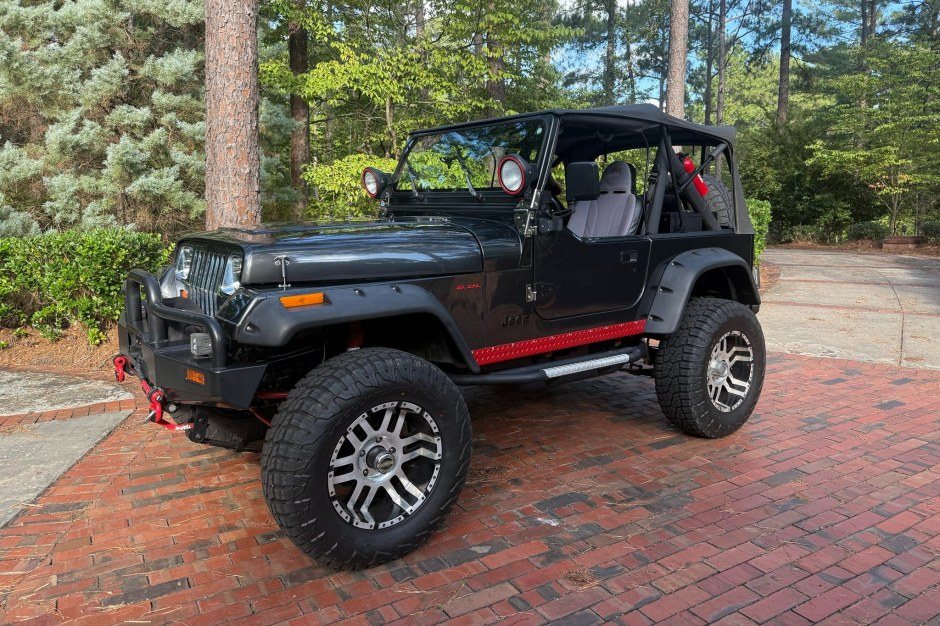
LS2-Powered 1989 Jeep Wrangler Laredo Heads to Auction
Economy 41
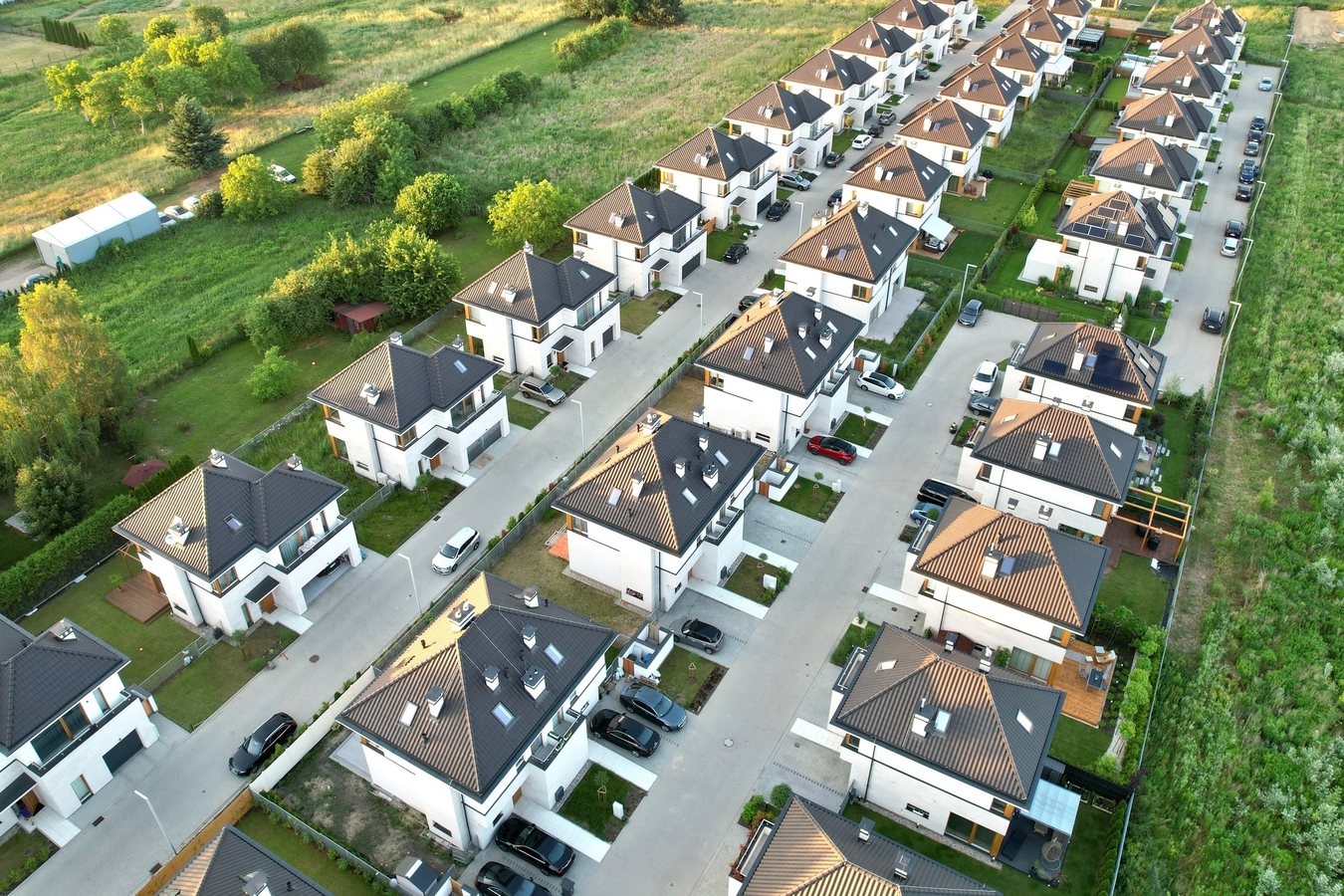
German Economists Set Income Threshold for the Upper Class
News 158
EU Loosens 2035 Emissions Targets in Move That Could Keep Petrol Cars Alive
Politics 115
Burnham launches crackdown on loud music on public transport
Sports 280
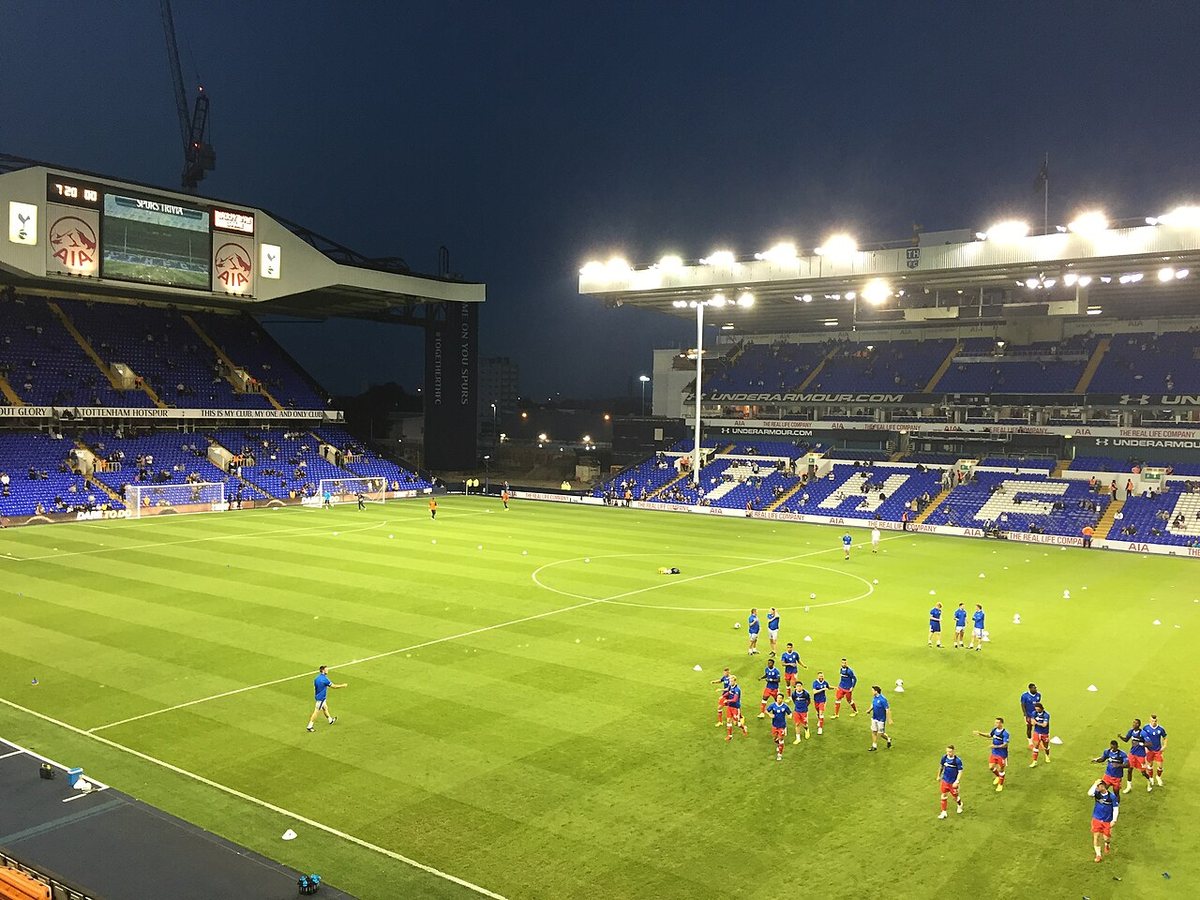
Tottenham beat Coventry as De Zerbi faces injury concerns
Technology 319
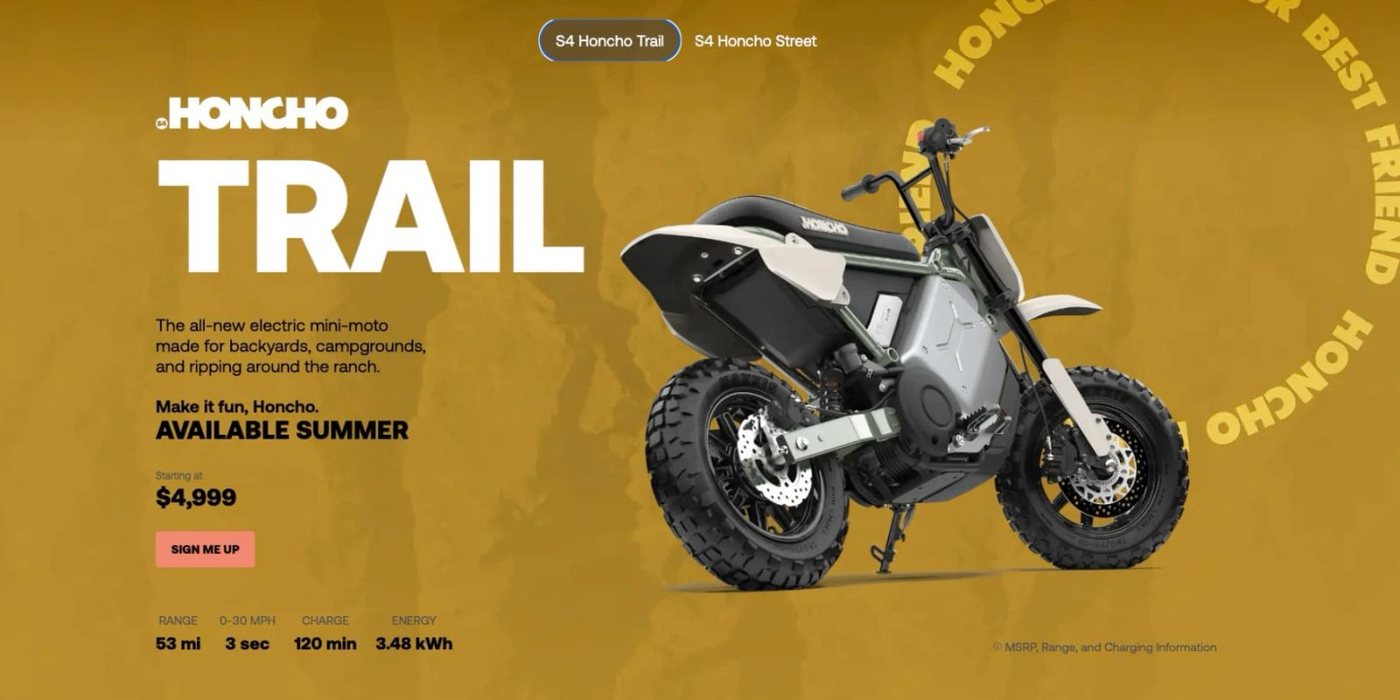
LiveWire to Unveil Two New Electric Motorcycles at EICMA
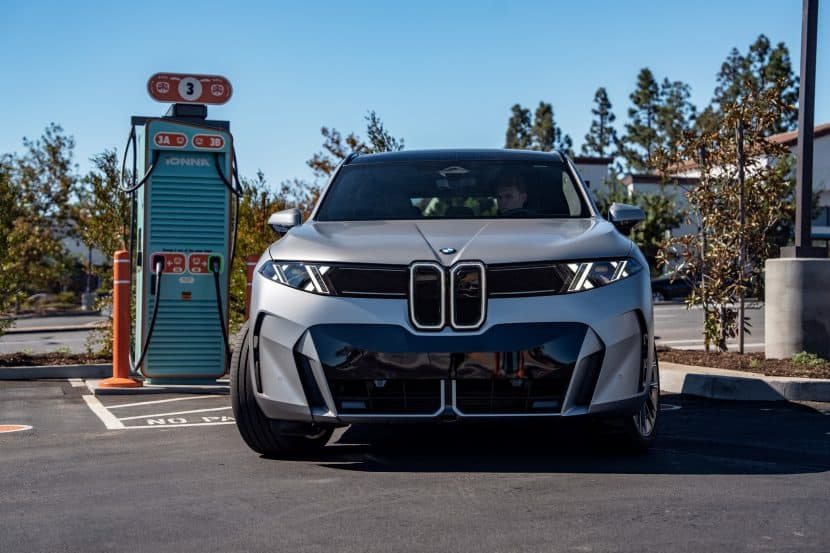
BMW has tested the iX5's high-power charging in California with IONNA and Alpitronic, recording a peak of 464 kW, slightly above its official 460 kW figure. The demonstration shows what the electric SUV can achieve, though the hardware used is not yet commercially available in the US.
By Eleanor Ellington · 4 min read
BMW has put the charging capability of its new iX5 to the test in California, recording a peak rate of 464 kW during a high-power charging session. The figure slightly exceeds the 460 kW peak that BMW quoted when it announced the electric SUV, offering a real-world indication of what the vehicle can achieve when paired with suitably powerful equipment.
The demonstration was carried out in partnership with IONNA, the charging network venture, and Alpitronic, which supplied the high-power charging hardware. BMW provided the vehicle technology. An image from the session showed the iX5's central display registering the 464 kW peak, a small but notable detail that suggests the car briefly surpassed its officially stated maximum.
BMW has positioned the iX5 as the fastest-charging electric vehicle it has ever built. Under the right conditions, the company says the SUV can add up to 170 miles, or 274 kilometres, of range in ten minutes. A charge from 10 per cent to 80 per cent takes approximately 22 minutes. For drivers on long-distance journeys, those figures translate into shorter stops and less time waiting at charging stations.
Peak charging power, however, tells only part of the story. Actual charging times depend on several variables, including the battery's state of charge and its temperature, as well as the charger's ability to sustain high output over a prolonged period. The 460 kW figure represents a peak rate rather than the power maintained throughout an entire session, so drivers should not expect the iX5 to hold that level continuously.
There is also an important caveat for American buyers. BMW acknowledges that the demonstration does not reflect the charging hardware commercially available in the United States today. In other words, the iX5 has shown what it can do under ideal conditions, but the charging infrastructure still needs to catch up before owners can routinely access that performance.
The iX5 is a significant model for BMW. It is the first X5 to be offered without a combustion engine, and it will launch with a 144-kWh battery pack, the largest the company has ever fitted to a production vehicle. BMW's revised preliminary EPA estimate suggests the iX5 60 xDrive will offer up to 450 miles, or 724 kilometres, of range on a single charge in the US. The company has also demonstrated the vehicle's long-distance potential by driving 500 miles on one charge with about 50 miles of range remaining.
Assembly of the large battery pack is due to begin at BMW's Woodruff site in South Carolina in December. The iX5 will initially be available exclusively as a 60 xDrive variant, with a starting price of $81,250 including destination and handling fees. Further versions are expected to follow, potentially including both more affordable and more expensive models.
The first X5 without a combustion engine is scheduled to reach the United States in the first quarter of 2027. By then, the question of whether America's charging network can support the vehicle's headline rates will be more pressing. The California session shows the technology is capable; the infrastructure, for now, remains the limiting factor.
15