Business 202
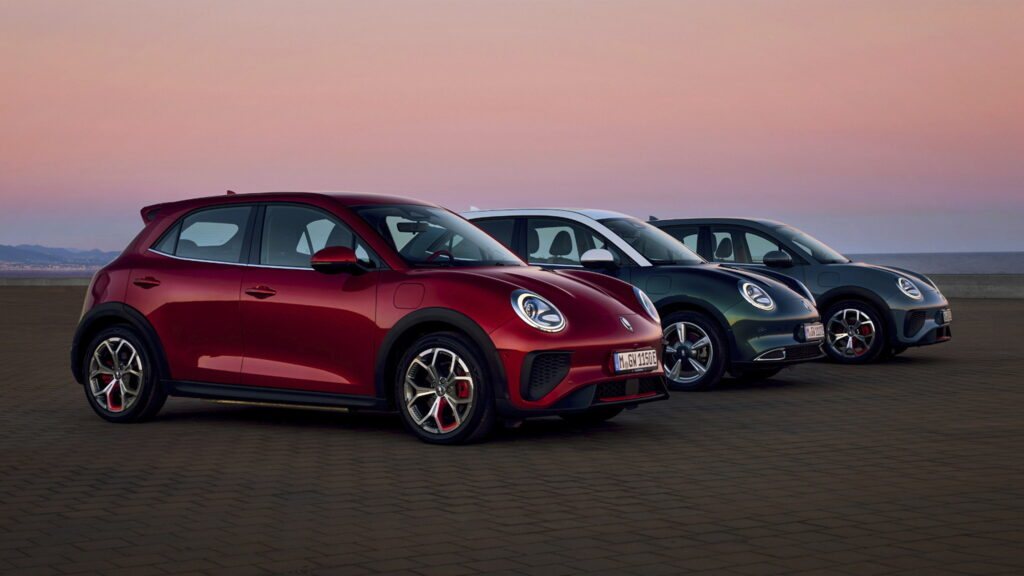
Geely Confirms Canadian Launch for 2027
In this issue
Business 202
Geely Confirms Canadian Launch for 2027
Culture 226
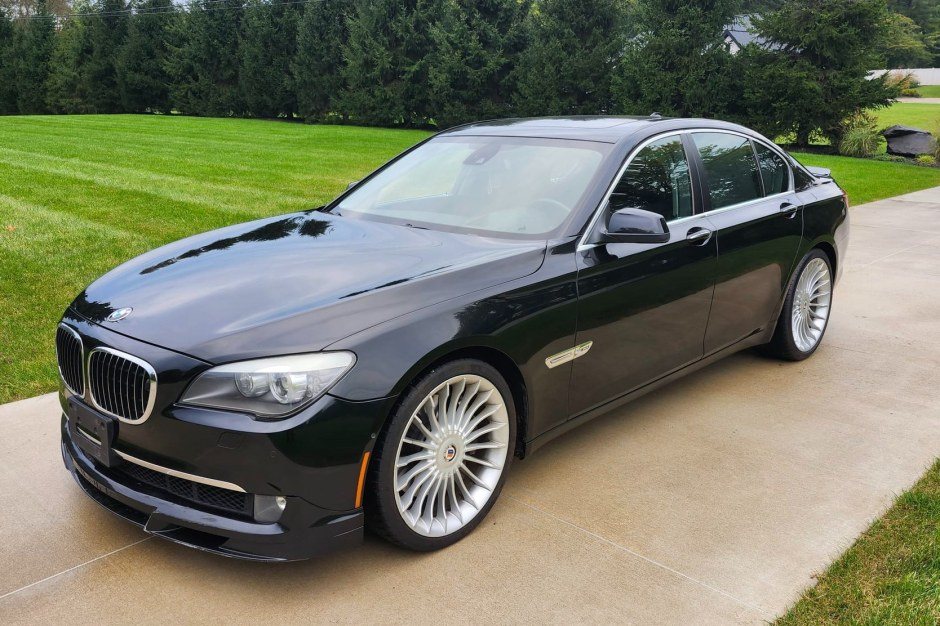
Alpina B7 xDrive: A Rare Canadian-Market Super Saloon Heads to Auction
Economy 37
Russia's EV Share Overtakes US as Fuel Shortages Bite
News 149
Weekly Exercise Linked to Slower Memory and Movement Decline in Parkinson's Patie…
Politics 110
Trump Urges Republicans to Vote by Mail After Years of Criticising the Practice
Sports 265
Southampton to Host Portsmouth in Scheduled Fixture on 11 October 2026
Technology 259
Nikon Disqualifies Small World in Motion Winner Over Generative AI Use
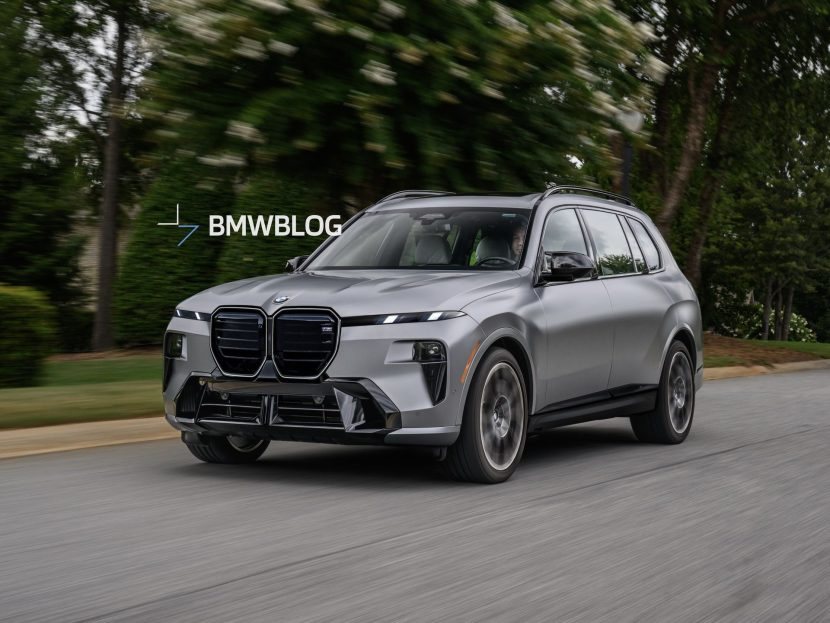
The next-generation BMW X7, due in 2027, will retain the split headlight design and two-piece tailgate, distinguishing it from the rest of the BMW range. The G67 model will also adopt a squarer stance, grow slightly in size, and offer a fully electric iX7 variant for the first time.
By Charlotte Redford · 3 min read
BMW’s next-generation X7 flagship SUV will carry over the split headlight design and two-piece tailgate from the current model, according to dealer reports and prototype sightings. The G67-generation X7, expected to be unveiled in 2027, is deliberately keeping these signature elements to set itself apart from the rest of the BMW lineup, which is moving toward cleaner, single-unit front ends.
The decision mirrors what BMW recently did with the facelifted 7 Series, which retained its split headlights despite a significant redesign. That suggests the styling cue is now an identifier for BMW’s top-of-the-range models rather than a leftover from an older design language. With the X5 adopting a more generic face and the electric iX3 and iX5 looking increasingly similar from a distance, the X7’s distinctive front end helps maintain a visible hierarchy across the brand’s SUV range.
Beyond the face, spy shots indicate the G67 X7 will trade some of the current model’s curvature for a squarer, more upright stance. That aligns with broader trends in the full-size luxury SUV segment, where models such as the Range Rover, Cadillac Escalade, and Mercedes-Benz GLS have all moved toward more vertical, slab-sided profiles. A squarer body also offers practical benefits for a three-row vehicle, including more usable headroom and cargo volume without requiring a larger footprint. The G67 is expected to grow slightly in both length and width over the current model.
The split tailgate, a two-piece design with a drop-down lower section that doubles as a bench or loading lip, will also carry over. The X5 does not offer this feature in its current generation, making the tailgate another differentiator between the two SUVs beyond badge and size. For buyers who regularly use the cargo area of a three-row vehicle, the tailgate remains a functional advantage.
Powertrain options for the G67 X7 will be extensive, including six-cylinder petrol and diesel engines, with a V8 reserved for the M Performance model. For the first time, BMW will also offer a fully electric iX7 variant. ALPINA will produce its own version of the new X7, though that will not be the sub-brand’s first electric vehicle — that distinction goes to an i7-based model launching in 2027.
Production of the G67 X7 is expected to begin in autumn 2027. The combination of the split headlights, split tailgate, and a more upright body is intended to keep the X7 visually distinct from the rest of BMW’s SUV range while reinforcing its position as the brand’s flagship SUV.
56