Business 206
BMW Group Reports Nine-Month Sales as European Demand Holds
In this issue
Business 206
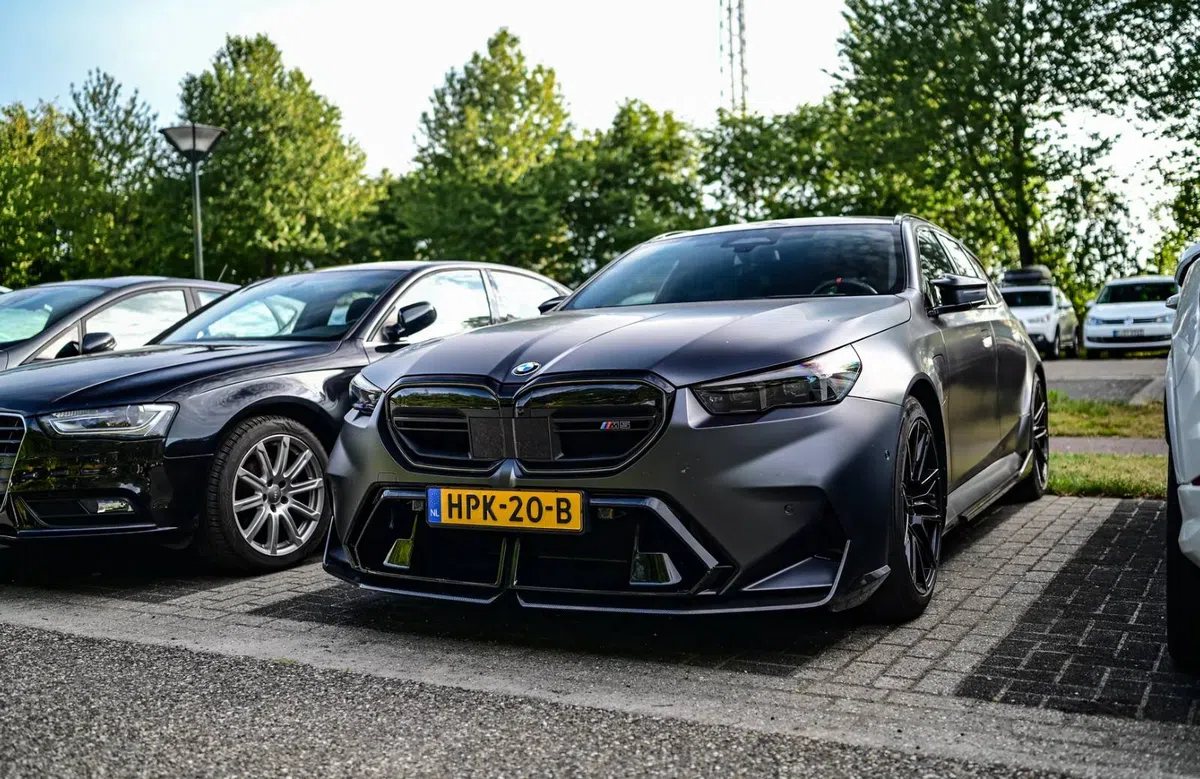
BMW Group Reports Nine-Month Sales as European Demand Holds
Culture 243
ITV's The Party: Elizabeth Day on adapting her best-selling thriller for televisi…
Economy 39
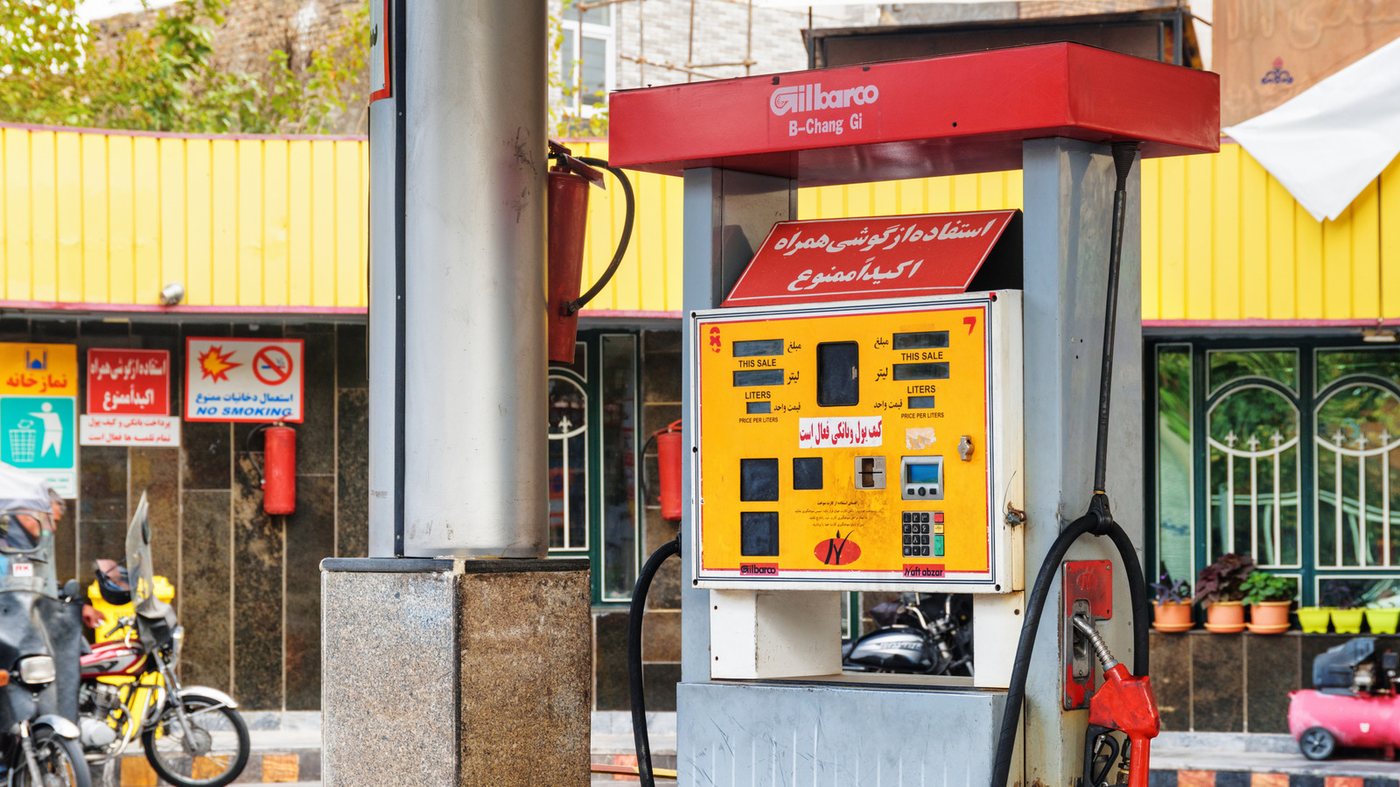
Countries Where Petrol Sells for Under $2 a Gallon
News 150
Earhart Search Team Reaches Crab-Infested Pacific Island
Politics 112
Ulle Madise becomes Estonia's new president
Sports 269
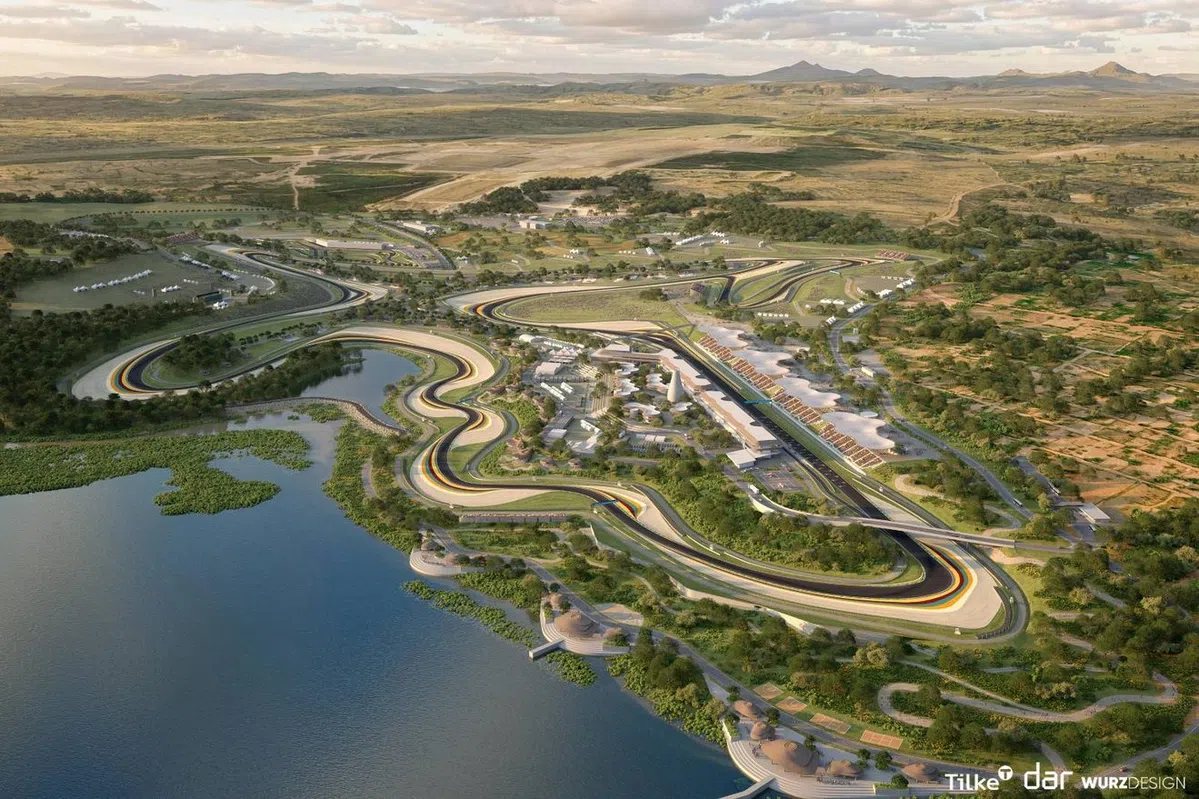
Formula 1 Confirms Rwanda Race Deal but No Circuit Exists
Technology 280
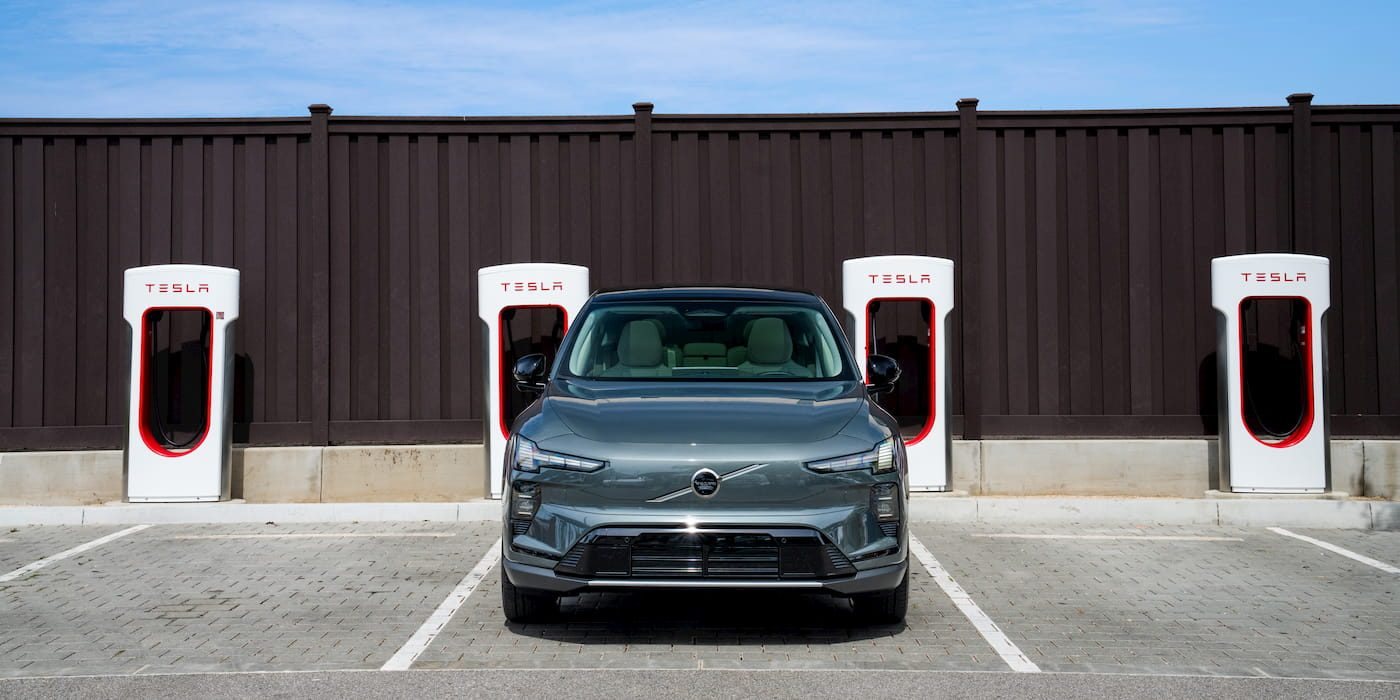
US Fast-Charging Network Passes 80,000 Ports as Tesla Raises Supercharger Prices
The Tesla Model Y demonstrates that advanced driver assistance systems can be effective without bombarding the driver with alerts, a contrast to the intrusive approach of many rivals.
By Eleanor Ellington · 4 min read
Modern cars are increasingly fitted with advanced driver assistance systems (ADAS) designed to improve safety, but the way many manufacturers implement them can turn a simple drive into a sensory ordeal. The constant beeps, flashing warnings and insistent voice prompts that accompany routine manoeuvres have become a common complaint among drivers. The Tesla Model Y, however, offers a different approach, proving that safety technology can be effective without being overbearing.
The contrast becomes clear in everyday situations, such as moving cars around a crowded car park. Entering a rival vehicle can trigger an AI-voiced welcome and a cascade of alerts before the driver has even settled into the seat. This always-on style of assistance, particularly from poorly coded ADAS, risks distracting the driver from the task at hand. The Tesla Model Y, by comparison, keeps its presentation of technology simple and unobtrusive, allowing the driver to focus on driving.
Tesla's execution of ADAS functions is notably subtle. When the car exceeds the speed limit, the detected limit sign on the display gently flashes rather than sounding an alarm. The lane keeping assistance activates only when necessary, intervening usefully rather than constantly correcting the driver. The driver monitoring system, which tracks alertness, has not been triggered in normal use, a sign that the car's approach does not create unnecessary interruptions.
The software's sophistication lies in its context-aware logic. Rather than reacting instantly to a single trigger, such as touching a lane line, the system checks steering wheel torque, road trajectory and surrounding hazards before deciding whether the driver is carelessly drifting or deliberately giving a cyclist a wide berth. This 'wait and see' approach prevents the panic-inducing alerts that occur when systems react to every minor deviation regardless of the wider driving scenario.
This philosophy extends beyond driver comfort. Both the Model Y and the Model 3 achieved best-in-class status in Euro NCAP testing, which covers both passive and active safety. Full marks were awarded to specific active safety functions, including lane support and active braking. The results suggest that a measured approach to warnings does not compromise safety performance.
The difference may be cultural. One British-based executive for an Asian car maker suggested that when Chinese, Japanese and Korean manufacturers read regulations requiring drivers to be warned if they look away, stray from a lane or breach a speed limit, they interpret this as an absolute requirement. The result is maximum noise and flashing displays to guarantee compliance beyond any auditor's doubt. Tesla, an American company, applies a far more subtle interpretation, using software to apply context rather than an instant trigger.
Tesla's approach demonstrates that conforming to legislation does not have to mean bombarding the driver with alerts. By setting its own standards for how assistance is delivered, the company is showing that effective safety systems can work quietly in the background. If more manufacturers adopted this philosophy, the modern driving experience could become considerably less stressful.
63