
Business 110
Dacia CEO Urges EU to Freeze Small Car Rules to Cut Prices
In this issue
Business 110
Dacia CEO Urges EU to Freeze Small Car Rules to Cut Prices
Culture 89
1988 Porsche 911 Carrera Targa G50 with Rebuilt Engine Heads to Auction
Economy 29
HMRC is writing to low earners about pension top-ups averaging about £70
News 124
Aftermarket Trackers Recover 99% of Stolen Cars as Factory Systems Fail
Politics 104
Met police open inquiry into alleged foreign donations to Reform UK
Sports 231
AMG GT Black Series Spied With Radical Aero Ahead of Nürburgring Record Attempt
Technology 116
Waymo Expands Driverless Ride-Hailing to Las Vegas
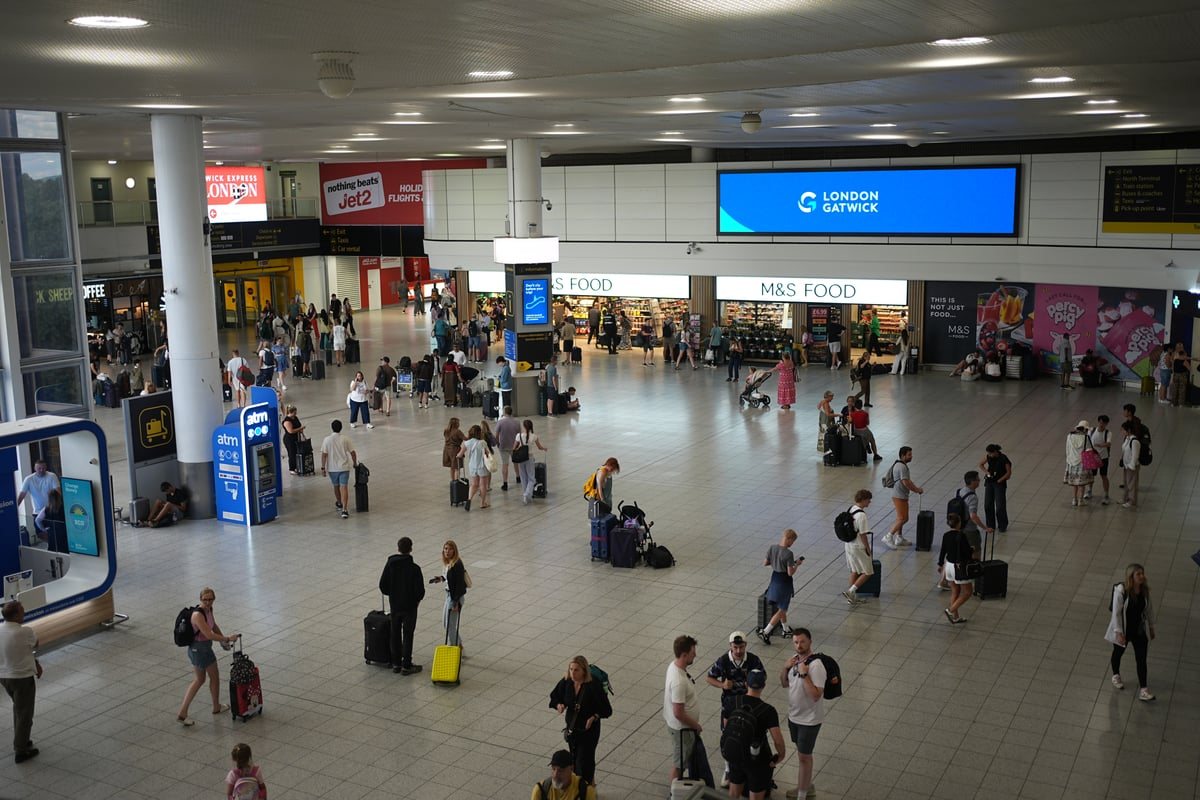
A water supply outage at Gatwick Airport lasting over eight hours left passengers without working toilets and unable to buy drinks, causing long queues and significant disruption.
By Charlotte Redford · 4 min read
A major water supply failure at Gatwick Airport left passengers facing chaos for more than eight hours, with no working toilets, closed bars and restaurants, and long queues building up across the terminals. The outage, which began early on Sunday, disrupted normal operations at Britain's second-busiest airport and forced travellers to endure uncomfortable conditions.
Passengers took to social media to report that they were unable to get hot drinks, wash their hands, or fill water bottles. The lack of running water meant that all catering outlets in the affected terminals were forced to shut down, leaving travellers without access to food and drink. Those waiting for flights described scenes of frustration as queues lengthened and facilities remained out of service.
The airport's management confirmed that water supply had been restored by the late afternoon, but warned that it would take time for all services to return to normal. Engineers had been working through the day to resolve the issue, and the airport apologised to passengers for the inconvenience. It is understood that the problem was related to a fault in the local water network, although the precise cause has not yet been disclosed.
The disruption comes at a peak time for summer travel, with thousands of passengers expected to pass through Gatwick each day. The airport has faced criticism in the past over infrastructure resilience, and this incident is likely to raise further questions about the reliability of essential services at major transport hubs. Airlines operating from Gatwick advised passengers to arrive early and check for updates, though no flights were reported cancelled as a direct result of the water outage.
Local businesses and retailers within the airport also suffered financial losses due to the closure of cafes, restaurants, and shops that depend on running water. The incident highlights the vulnerability of large-scale public facilities to utility failures and the cascading effects on travel and commerce. Gatwick Airport has stated that it is reviewing its contingency plans to prevent a repeat of such disruption.
The restoration of water supply was met with relief by passengers and staff, but many travellers complained that the airport's communication during the outage had been poor. Some reported receiving no information about the cause of the problem or when normal service would resume. The airport has promised to improve its messaging in future emergencies.
Industry observers noted that the incident could have broader implications for the airport's reputation and for the travel industry's reliance on uninterrupted utilities. While Gatwick has invested heavily in upgrading its infrastructure in recent years, this event shows that even modern airports can be brought to a standstill by a single point of failure. The airport is expected to conduct a full investigation into the outage and share its findings with regulators and the public.