
Business 110
Dacia CEO Urges EU to Freeze Small Car Rules to Cut Prices
In this issue
Business 110
Dacia CEO Urges EU to Freeze Small Car Rules to Cut Prices
Culture 89
1988 Porsche 911 Carrera Targa G50 with Rebuilt Engine Heads to Auction
Economy 30
HMRC is writing to low earners about pension top-ups averaging about £70
News 123
Aftermarket Trackers Recover 99% of Stolen Cars as Factory Systems Fail
Politics 104
Met police open inquiry into alleged foreign donations to Reform UK
Sports 231
AMG GT Black Series Spied With Radical Aero Ahead of Nürburgring Record Attempt
Technology 117
BMW Confirms Next 3 Series Will Retain Plug-In Hybrid Power
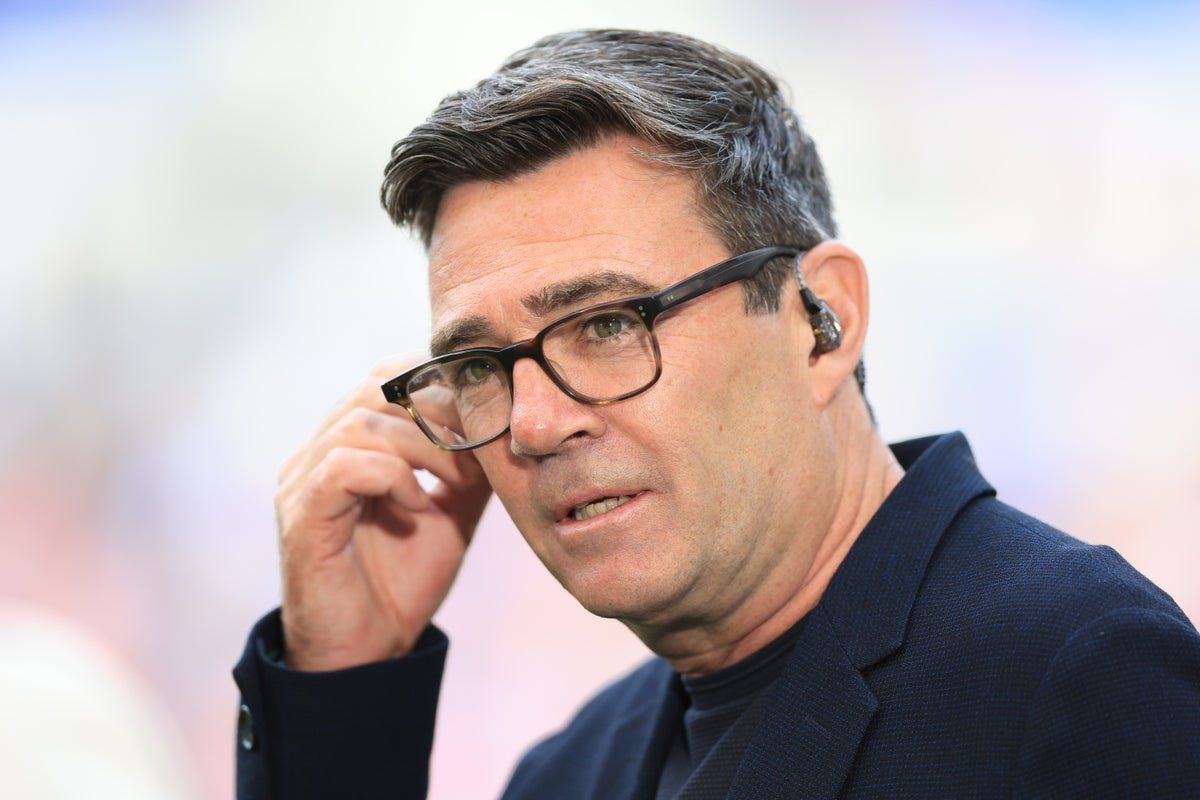
Andy Burnham, the Makerfield MP and former Greater Manchester mayor, is set to take office as Prime Minister on Monday, replacing Keir Starmer. He faces a packed in-tray including tax policy, cost-of-living pressures, and relations with Donald Trump.
By Edward Beaumont · 4 min read
Andy Burnham, the Makerfield MP and former Greater Manchester mayor, is expected to become Prime Minister of the United Kingdom on Monday, replacing Keir Starmer after a decade of what he has described as politics «not working». His ascent marks the seventh change of prime minister in Britain in ten years, underscoring a period of political turbulence that has seen frequent leadership shifts.
Burnham inherits a government facing a formidable array of challenges. Among the most pressing issues in his in-tray are tax policy, the ongoing cost-of-living crisis, and the management of relations with the United States under President Donald Trump. The new prime minister has vowed to take a more active approach on living costs, promising to do more to ease the financial strain on households that have been squeezed by inflation and rising energy bills.
On the economic front, Burnham will need to navigate a delicate balance between maintaining fiscal discipline and delivering on his pledges to support struggling families. The Treasury, likely to be led by a figure such as Ed Miliband, who has been tipped for the role of Chancellor, will be under close scrutiny from jittery markets. Investors are watching for signals on spending, borrowing, and tax reforms that could affect Britain's economic stability.
Foreign policy also presents immediate tests. Burnham must contend with the implications of a second Trump presidency, including potential trade tensions and shifts in transatlantic alliances. The new prime minister is expected to seek a constructive relationship with Washington while defending UK interests on issues such as tariffs, climate policy, and security cooperation.
Domestically, Burnham has signalled a break from the approach of his predecessor. He has criticised the previous administration for failing to address the root causes of public discontent and has pledged to restore trust in government. His background as a former health secretary and mayor of Greater Manchester gives him experience in both national and regional governance, which he has said will inform his agenda.
The transition of power comes at a time when public confidence in political institutions remains low. Burnham has acknowledged the scale of the task, noting that many voters feel disconnected from Westminster. He has promised to prioritise policies that deliver tangible improvements to everyday life, including housing, healthcare, and employment opportunities.
In a personal reflection, Burnham shared his sadness that his father, who has dementia, is unaware that his son is about to become prime minister. The emotional note has resonated with many, highlighting the human dimension behind the political change. Burnham has said he will draw on his family experiences to inform his approach to social care, an area he has long championed.
The new prime minister's first days in office will be closely watched. He is expected to announce a series of early measures aimed at stabilising the economy and addressing the cost-of-living crisis. Cabinet appointments, including the key roles of Chancellor and Foreign Secretary, will signal his priorities and the direction of his government.
Political analysts note that Burnham faces a complex landscape. With a narrow parliamentary majority and a divided opposition, he will need to build coalitions of support to pass legislation. His experience as a mayor, where he worked across party lines, may prove valuable in navigating the challenges ahead.
As Burnham prepares to enter Downing Street, the country awaits clarity on his plans for taxes, public spending, and Britain's place in the world. The coming weeks will reveal whether he can deliver on his promise to make politics work again for ordinary people.