Business 292
Used electric cars are selling faster than petrol and hybrid models
In this issue
Business 292
Used electric cars are selling faster than petrol and hybrid models
Culture 320
Restored 1973 BMW 2002tii offered in New Hampshire after US return from Canada
Economy 48
Three Tankers Reportedly Strike Mines in Strait of Hormuz
News 160
Private parking firms face pressure as UK motorists call for fairer rules
Politics 121
Burnham denies stopping ministers from discussing closer EU ties
Sports 290
Tottenham meet Crystal Palace in Premier League fixture on 31 October
Technology 347
Rivian Delivers Electric Van Update With 30% More Range and AWD
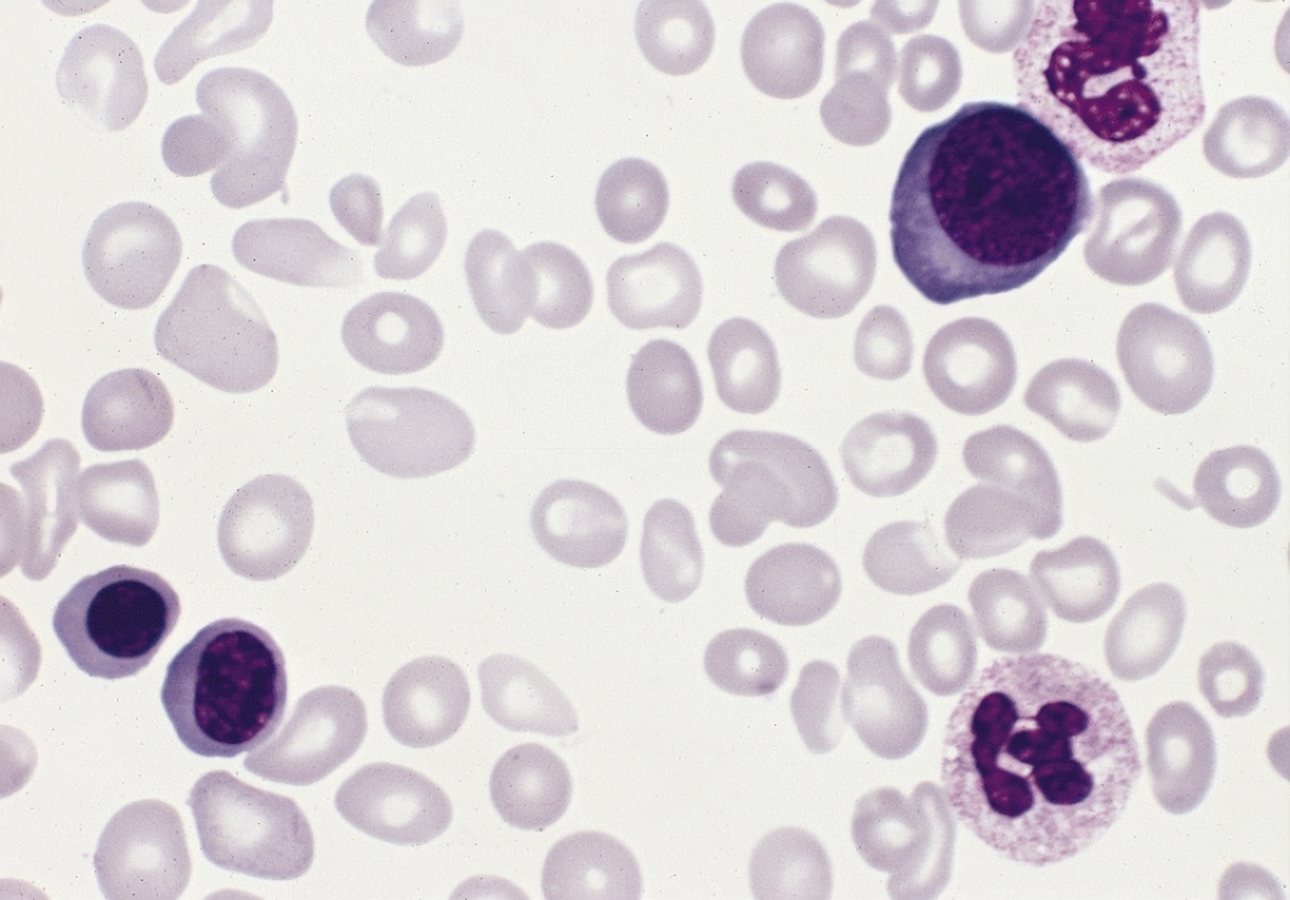
The BBC News chief presenter says she has lived with polycythaemia vera since 2024, continuing major broadcasts while adapting to long-term treatment and chronic fatigue.
By Charlotte Redford · 4 min read
BBC News chief presenter Maryam Moshiri has disclosed that she has been living with polycythaemia vera since November 2024, turning a private two-year health struggle into a public conversation about chronic blood cancer.
The 49-year-old broadcaster has remained a familiar presence throughout that period. She continued to lead live news coverage, travel on assignment and work through major international events, including reporting from the Vatican. What viewers could not see was the treatment schedule and fatigue surrounding those broadcasts.
Moshiri said the disease was discovered after blood testing led to further investigation. She had largely been without obvious symptoms, which is possible with polycythaemia vera. The condition can also cause headaches, dizziness, blurred vision, night sweats, itching and profound tiredness.
Polycythaemia vera, or PV, is a rare myeloproliferative neoplasm. The bone marrow produces too many red blood cells, increasing the proportion of cells in the blood and making it more viscous. The principal danger is clotting. A clot can cause deep vein thrombosis and, depending on where it forms or travels, a heart attack or stroke.
That risk explains the logic of treatment. Moshiri's early care included repeated venesections, in which blood is removed to bring the red-cell level down. It is an old procedure with a very modern purpose: reducing blood viscosity quickly while clinicians decide how best to control cell production over the longer term.
She later received interferon-based treatment. Moshiri has described severe side effects during that period, including headaches, insomnia and intense itching. In November 2025 she switched to weekly Pegasys injections, which she says have been more effective, although fatigue remains part of her life.
For someone whose job depends on stamina and concentration, that fatigue has been a practical challenge rather than an abstract symptom. Moshiri has spoken about the adrenaline of live broadcasting carrying her through demanding shifts, only for exhaustion to catch up once she was off air. The same limits affected family life with her three children.
Her decision to disclose the diagnosis is linked to Blood Cancer UK's Here for This campaign. The campaign focuses on the apparently small things illness can take away — a game with a child, a social event, a normal evening — and the value of treatments that allow patients to reclaim them.
The distinction between incurable and untreatable matters here. PV generally requires long-term management rather than a short course of treatment followed by a conventional all-clear. NHS and Blood Cancer UK guidance describe a range of options including venesection, medicines that suppress excess blood-cell production and, for some patients, low-dose aspirin to reduce clotting risk. The plan depends on a person's age, blood counts, symptoms and history of thrombosis.
That makes Moshiri's story less about a single dramatic diagnosis than about adaptation. She has had to fit a demanding career around hospital appointments and medication, change treatment when the burden became too great, and explain a largely invisible illness to her family.
The public disclosure does not signal a retreat from her work. It places what viewers have seen over the past two years in a different frame: the same broadcasts were being delivered by someone managing a serious chronic condition in real time.
For a profession that prizes composure, that is a useful reminder. Resilience is not the absence of illness, and continuing to work does not mean treatment is easy. The real measure of progress for people living with conditions such as PV is often whether medicine gives them enough control to remain present in the parts of life that matter.
74