

Business 194
Aston Martin Delays First EV Until 2033, Keeps V8 and V12 Alive
In this issue
Business 194
Aston Martin Delays First EV Until 2033, Keeps V8 and V12 Alive
Culture 214
Callaway Turbocharged 1985 Volkswagen GTI with BBS Body Kit Listed at No Reserve
Economy 37
Russia's EV Share Overtakes US as Fuel Shortages Bite
News 147
California Grants Three-Day Return Right on Used Cars
Politics 110
Trump Urges Republicans to Vote by Mail After Years of Criticising the Practice
Sports 262
West Ham United to Host Queens Park Rangers in October 2026 Championship Fixture
Technology 244
BMW iX4 Debuts as Most Powerful X4 Ever
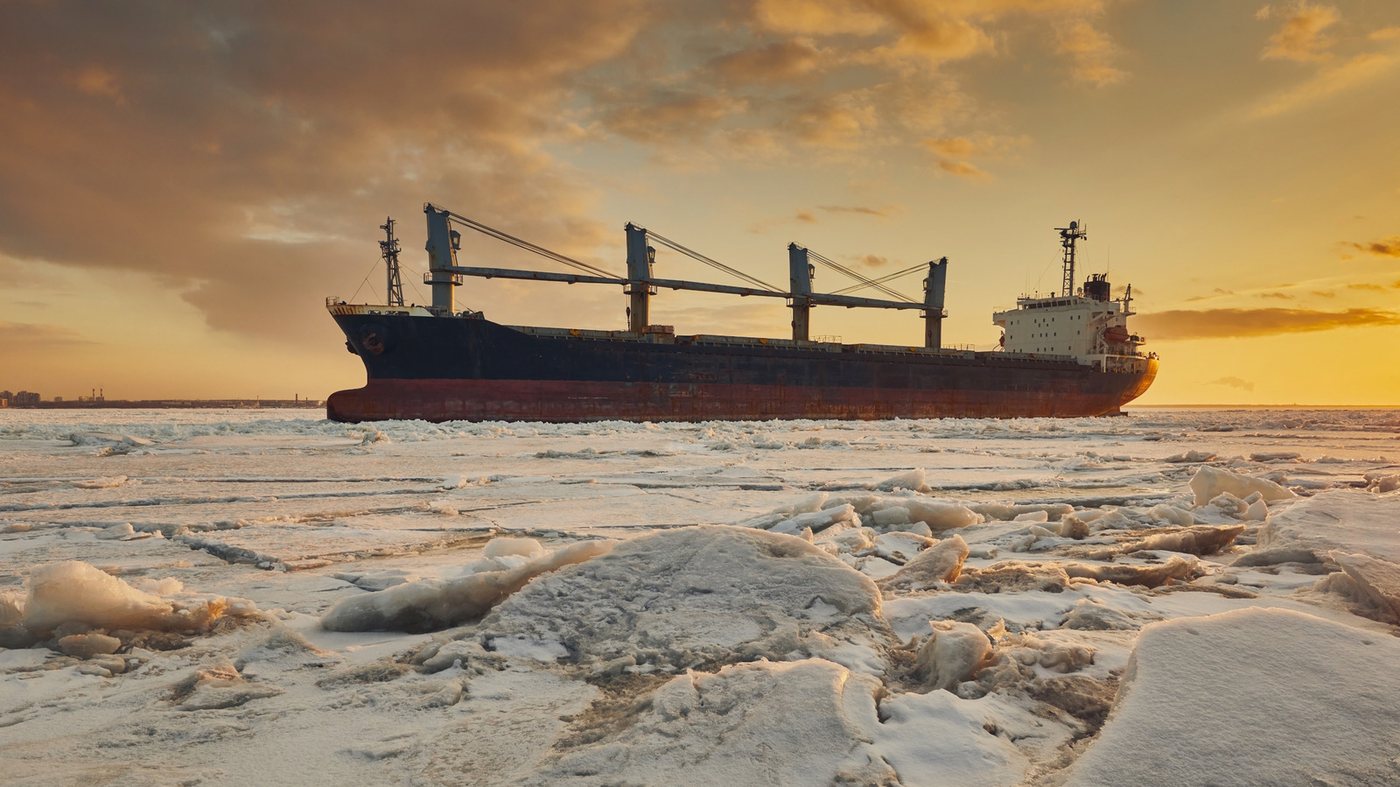
Melting ice in the Arctic is creating a new potential shipping route for China, offering a shorter alternative for trade during economically stressful times, though the passage remains a challenging one.
By Charlotte Redford · 4 min read
Climate change is presenting China with a new potential shipping route through the Arctic, a development that could offer the country a shorter and more efficient path for its trade during a period of economic strain. The route, made more accessible by melting ice, is being eyed as a way to reduce shipping times and costs, though it remains a passage not for the faint of heart.
The Arctic route has long been discussed as a possible alternative to traditional shipping lanes, but the realities of climate change have accelerated its viability. For China, which relies heavily on maritime trade, the prospect of a faster connection to European markets is particularly attractive. The country has been investing in polar capabilities and infrastructure, positioning itself to take advantage of the changing conditions in the region.
However, the route is not without its challenges. Navigating the Arctic requires specialised vessels, experienced crews, and a willingness to contend with unpredictable ice conditions, extreme weather, and limited infrastructure along the way. While the potential savings in time and fuel are significant, the risks and costs associated with Arctic shipping remain substantial. For now, the route is best suited to certain types of cargo and specific times of the year, when ice levels are at their lowest.
The economic context adds urgency to China's interest. With global trade facing headwinds and domestic growth slowing, the country is looking for every advantage it can find. A shorter route to Europe and the Atlantic would not only cut transit times but also reduce exposure to chokepoints such as the Malacca Strait and the Suez Canal, which carry their own geopolitical and security risks. The Arctic route offers a degree of strategic independence that aligns with China's broader ambitions to secure its supply chains.
International interest in the Arctic is growing, with Russia, the United States, and several European nations also seeking to capitalise on the region's opening waters. China has declared itself a near-Arctic state and has been active in Arctic governance, investing in research, infrastructure, and commercial ventures. The country's polar research vessel, the Xuelong, has made multiple voyages through the region, and Chinese companies have been involved in projects such as the Yamal LNG plant in Russia, which relies on Arctic shipping to deliver gas to Asian markets.
Despite the promise, the Arctic route is unlikely to replace traditional shipping lanes anytime soon. The infrastructure needed to support regular commercial traffic is still in its infancy, and the environmental concerns associated with increased activity in the region are significant. Melting ice is itself a symptom of the climate change that is making the route possible, and the increased shipping traffic could accelerate the very warming that created the opportunity.
For China, the Arctic represents a calculated gamble. The potential rewards are clear, but so are the obstacles. As the ice continues to recede, the route will become more viable, but it will require sustained investment, international cooperation, and a willingness to navigate the complexities of the region. In the meantime, the Arctic remains a frontier of opportunity and risk, one that China is determined to explore.
70