

Business 110
Dacia CEO Urges EU to Freeze Small Car Rules to Cut Prices
In this issue
Business 110
Dacia CEO Urges EU to Freeze Small Car Rules to Cut Prices
Culture 89
1988 Porsche 911 Carrera Targa G50 with Rebuilt Engine Heads to Auction
Economy 30
HMRC is writing to low earners about pension top-ups averaging about £70
News 123
Aftermarket Trackers Recover 99% of Stolen Cars as Factory Systems Fail
Politics 104
Met police open inquiry into alleged foreign donations to Reform UK
Sports 231
AMG GT Black Series Spied With Radical Aero Ahead of Nürburgring Record Attempt
Technology 117
BMW Confirms Next 3 Series Will Retain Plug-In Hybrid Power
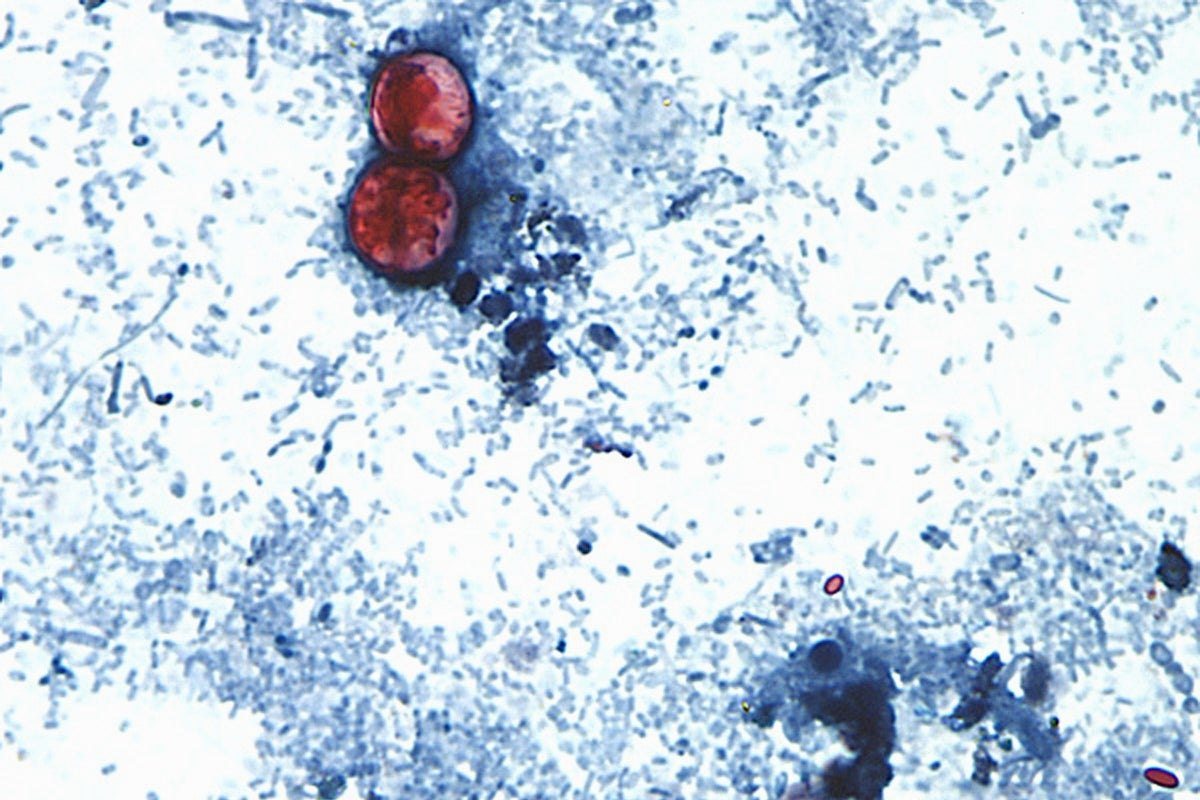
Health officials have issued a warning after a sharp rise in cyclospora infections, with cases of the parasite now confirmed in the UK following travel to Mexico.
By Edward Beaumont · 4 min read
Health authorities have issued a fresh warning to holidaymakers after a sharp rise in cyclospora infections, with the parasite causing severe diarrhoea now confirmed in the United Kingdom. The outbreak, linked to travel to Mexico, has prompted officials to urge travellers to take precautions against the food-borne infection.
Cyclospora cayetanensis, the microscopic parasite responsible for the illness, is known to cause symptoms including explosive diarrhoea, stomach cramps, nausea and fatigue. Although the infection can be highly unpleasant, health experts stress that it is rarely life-threatening and can be treated effectively with antibiotics in most cases.
The UK Health Security Agency has reported a notable increase in cases among people returning from Mexico, a popular destination for British tourists. The government has described the rise as “sharp” and is advising anyone planning to travel to the region to be aware of the risks associated with contaminated food and water.
The parasite is typically spread through contaminated fresh produce, particularly fruits and vegetables that are eaten raw, or through water that has not been properly treated. Unlike many other food-borne infections, cyclospora is not usually passed directly from person to person, which means the main defence for travellers is careful attention to food and water hygiene.
Officials are advising holidaymakers to wash and peel fruit and vegetables wherever possible, to avoid raw produce that may have been washed in untreated water, and to drink only bottled or purified water. Travellers are also being reminded to wash their hands regularly, especially before eating or preparing food.
Symptoms usually appear around one to two weeks after consuming contaminated food or water, and the illness can last for several weeks if left untreated. Those who become unwell after returning from travel are being urged to seek medical advice and to mention their travel history, as this can help doctors identify the infection more quickly.
The warning follows similar alerts from public health bodies monitoring infection trends among international travellers. Mexico has been identified as the main source of the current cluster of cases, although cyclospora outbreaks have been recorded in other tropical and subtropical regions in previous years.
While the infection is not considered a serious threat to otherwise healthy individuals, it can be more dangerous for young children, older people and those with weakened immune systems. In such cases, dehydration caused by prolonged diarrhoea can become a particular concern, and medical attention may be needed.
Health officials say they are continuing to monitor the situation closely and are working with international partners to understand the scale of the outbreak. Travellers planning trips to affected areas are being encouraged to check the latest health advice before they depart.
Anyone experiencing symptoms after returning from Mexico or other affected regions should contact their doctor or NHS 111 for guidance. Early diagnosis and treatment can significantly reduce the duration of the illness and help prevent complications.