Business 110
Dacia CEO Urges EU to Freeze Small Car Rules to Cut Prices
In this issue
Business 110
Dacia CEO Urges EU to Freeze Small Car Rules to Cut Prices
Culture 89
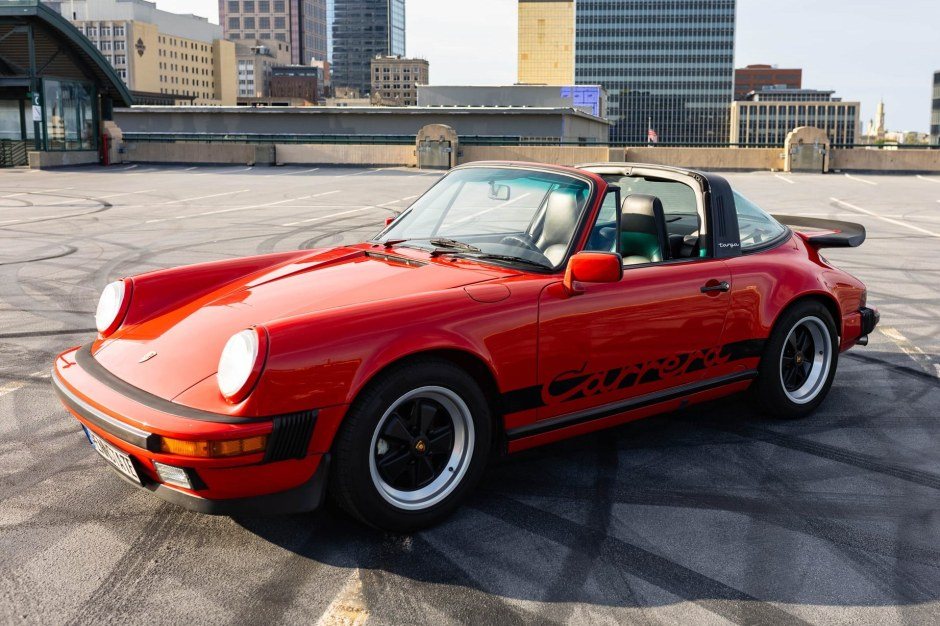
1988 Porsche 911 Carrera Targa G50 with Rebuilt Engine Heads to Auction
Economy 30
HMRC is writing to low earners about pension top-ups averaging about £70
News 123
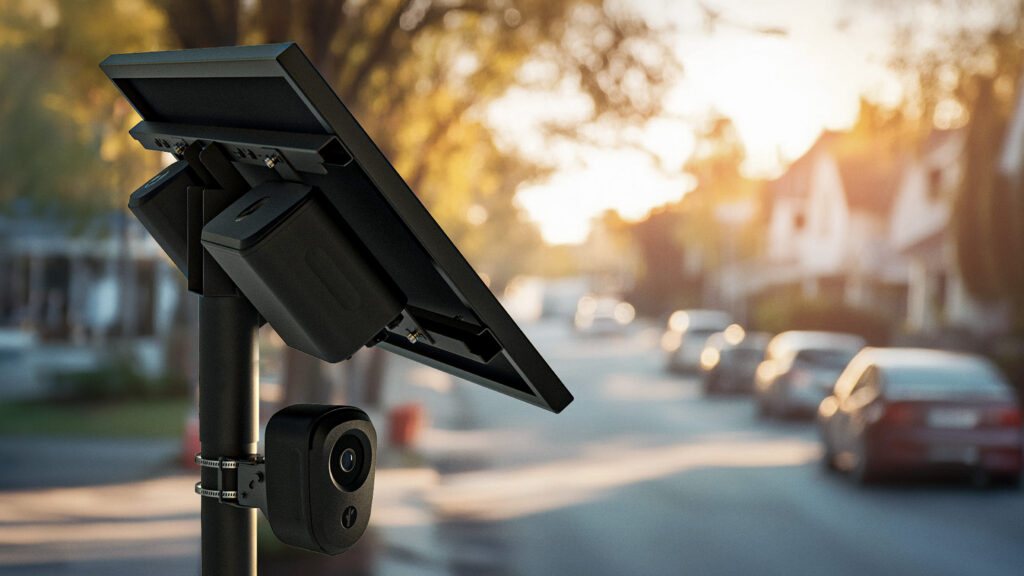
Aftermarket Trackers Recover 99% of Stolen Cars as Factory Systems Fail
Politics 104
Met police open inquiry into alleged foreign donations to Reform UK
Sports 231
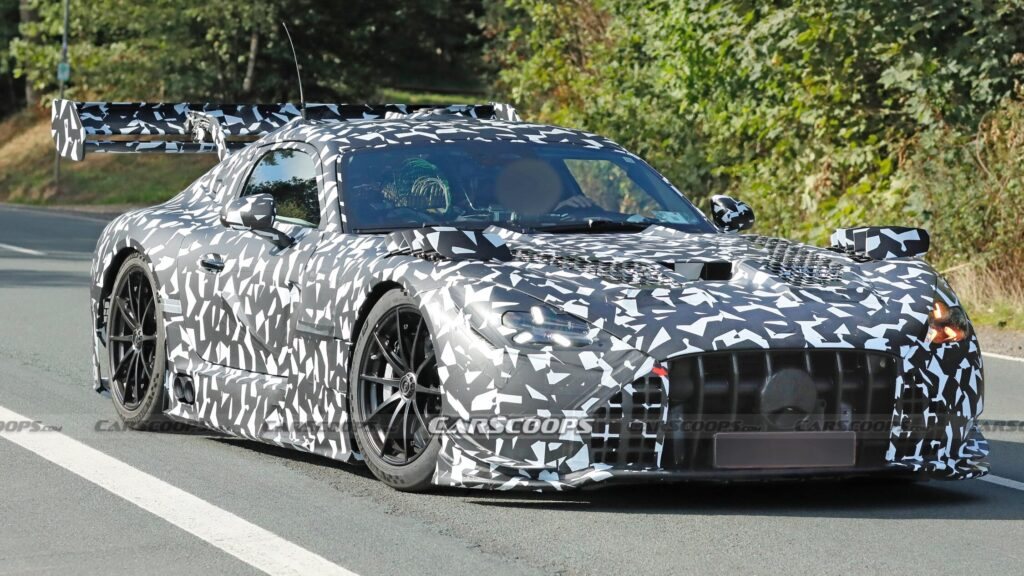
AMG GT Black Series Spied With Radical Aero Ahead of Nürburgring Record Attempt
Technology 117
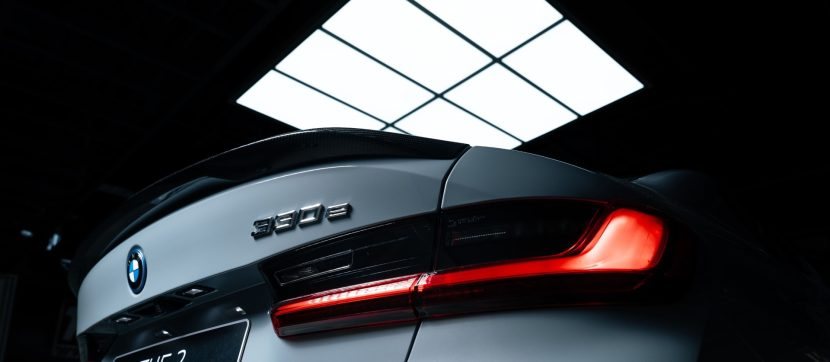
BMW Confirms Next 3 Series Will Retain Plug-In Hybrid Power
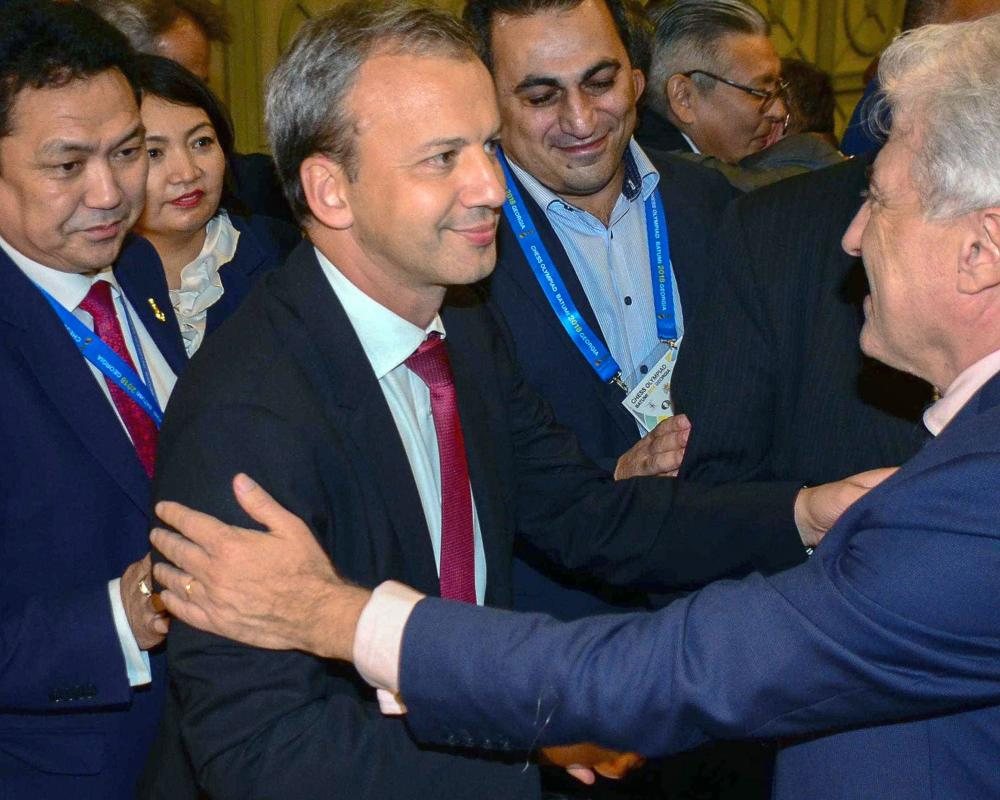
Arkady Dvorkovich suspends his role at FIDE after being placed on the EU's largest sanctions list in four years, which targets 218 individuals and entities including banks, oil refineries, and drone producers.
By Edward Beaumont · 4 min read
The president of the International Chess Federation (FIDE), Arkady Dvorkovich, announced on Friday that he is suspending his activity with the organisation after being placed on the European Union's latest sanctions list against Russia. Dvorkovich, a former Russian deputy prime minister, described the designation as “unlawful and unfair”. Viswanathan Anand, the Indian world chess champion, will take over as interim president of the federation.
The move came as the EU unveiled its largest sanctions package in four years, targeting 218 individuals and entities linked to Russia's war effort in Ukraine. The EU foreign policy chief, Kaja Kallas, said the measures hit more than 100 banks and cryptocurrency operators, more than 40 vessels from Russia's so-called shadow fleet, and several oil refineries. The package also adds more than 50 military-industrial entities to the sanctions list, including key actors involved in producing Russia's long-range drones.
Under the new measures, the Russian oil price cap is frozen at $44.10 per barrel for 12 months, preventing an automatic increase that would have raised it to about $58.50. The total number of designations now stands at nearly 3,000. A full asset freeze has been imposed on 94 Russian financial institutions, nearly all banks, and 33 Russian banks have been disconnected from the Swift international payments system. Moscow's stock exchange has also been added to the sanctions list.
Internationally, the sanctions target banks or cryptocurrency platforms in countries including Mongolia, Kyrgyzstan, India, Georgia, Panama, the Marshall Islands, Belarus, the United Arab Emirates, and several African nations. The package also targets actors linked to Russia's satellite communications system, which is being developed as an alternative to Starlink. Some 56 entities and persons have been added for their involvement in Russia's military industrial complex, most of them linked to long-range Garpiya drones. Additionally, 51 entities face export restrictions on dual-use goods and technology, including companies in China (including Hong Kong), India, Kazakhstan, Kyrgyzstan, Turkey, and the UAE.
In other developments, Ukrainian President Volodymyr Zelenskyy faced pressure to restore the ousted defence minister, Mykhailo Fedorov, to his post after Fedorov said he would not accept alternative roles in government. Meanwhile, the far-right US influencer Laura Loomer visited Kyiv and met with Zelenskyy, marking a striking reversal of her previous stance on the war. Loomer had spent years minimising Russia's invasion of Ukraine, amplifying Russian propaganda, and describing Ukraine as “a country full of Nazi apologists”. During her visit, she posted on social media about experiencing an air raid, saying: “This is everyday for every Ukrainian. I often said I don't care. Looking back, that wasn't very nice of me to say … We need to have moral clarity.” Her change of heart came after her podcast editor visited Kyiv and Odesa under heavy attack, and after rival far-right influencer Candace Owens visited and praised Russia.
On the battlefield, a Russian attack on a food business in the Ukrainian city of Pavlohrad killed three people and injured at least ten, according to regional governor Oleksandr Hanzha. The attack caused a fire. In response, Ukrainian strikes killed three people, including a child, and wounded eight in Russia and in Moscow-annexed Crimea on Thursday, local authorities reported.