
Business 110
Dacia CEO Urges EU to Freeze Small Car Rules to Cut Prices
In this issue
Business 110
Dacia CEO Urges EU to Freeze Small Car Rules to Cut Prices
Culture 89
1988 Porsche 911 Carrera Targa G50 with Rebuilt Engine Heads to Auction
Economy 30
HMRC is writing to low earners about pension top-ups averaging about £70
News 123
Aftermarket Trackers Recover 99% of Stolen Cars as Factory Systems Fail
Politics 104
Met police open inquiry into alleged foreign donations to Reform UK
Sports 231
AMG GT Black Series Spied With Radical Aero Ahead of Nürburgring Record Attempt
Technology 116
Waymo Expands Driverless Ride-Hailing to Las Vegas
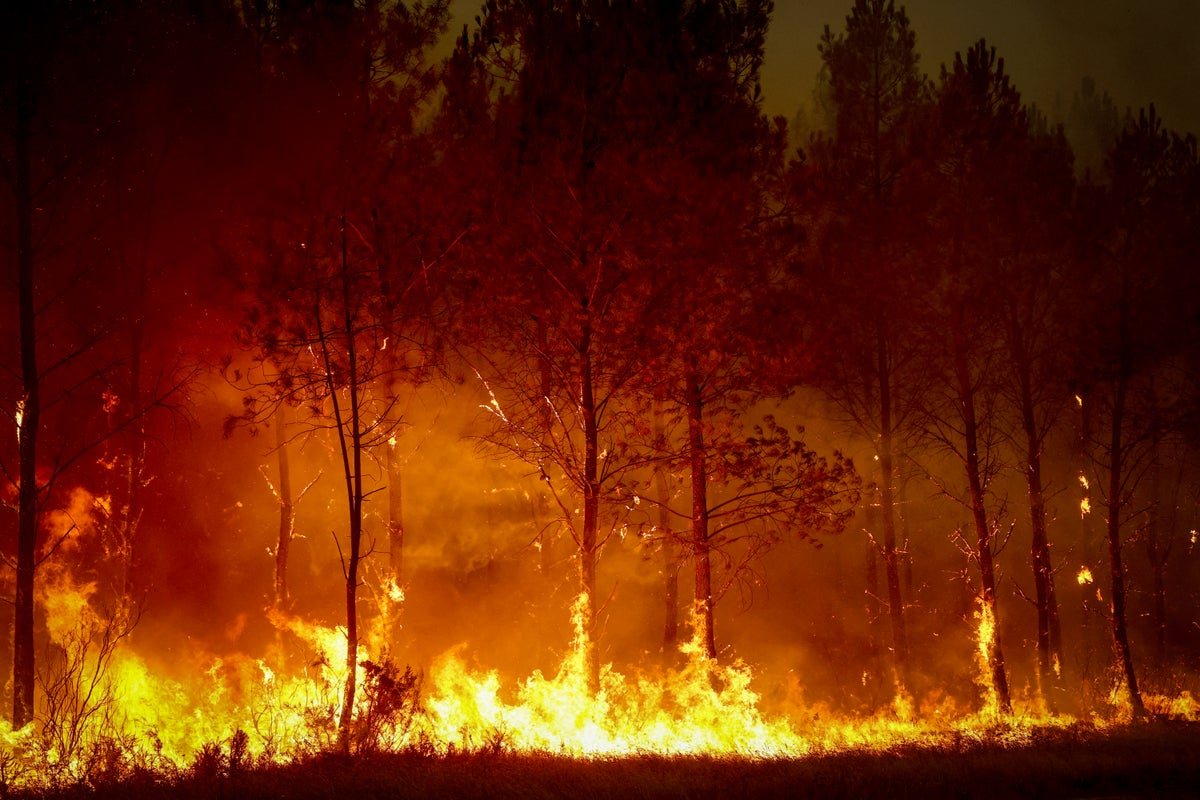
Massive wildfires in France and Spain have forced over 360,000 evacuations, with firefighters facing a new phenomenon: pyrocumulonimbus fire-generated thunderstorms. An editorial warns that climate policies are being deprioritised despite the clear acceleration of global heating.
By Charlotte Redford · 4 min read
The vast wildfires sweeping through south-west France and Spain have entered a new and dangerous phase, with firefighters encountering a rare phenomenon known as a pyrocumulonimbus — a fire-generated thunderstorm that can create unpredictable winds and severely complicate containment efforts. As the region braces for a fourth major heatwave this summer, the scale of destruction has reached historic levels, prompting urgent calls for political action.
In France, the Gironde region has been particularly hard hit. More than 220,000 people have been evacuated from their homes as flames advance towards Bordeaux, with officials describing the blaze as thefire of the century
that has developed alife of its own
. The area of land burnt in France this year already exceeds the total for the whole of 2025, which stood at 30,000 hectares. In Spain, the environment ministry reports that over 170,000 hectares have been affected, compared with just 29,000 last year. More than 100,000 people have been forced to flee in Spain alone. Combined, the two countries have seen over 360,000 evacuations.
The emergence of the pyrocumulonimbus cloud over the Bordeaux region is seen as a worrying sign. While such fire-generated thunderstorms are known in North America and Australia, firefighters believe this is the first recorded instance in France. The phenomenon can whip up winds that change direction suddenly, making it difficult to predict the fire's path and endangering both crews and residents. The conditions are being driven by the third major heatwave of the summer, with temperatures exceeding 40°C in parts of France and Spain. A fourth heatwave is expected in the coming days.
An editorial in The Guardian argues that the accelerating pace of global heating has never been clearer, yet climate policies are being deprioritised by governments across Europe. The piece calls on political leaders to catch up with the new reality, warning that the infrastructure and preparedness of firefighting services are being stretched beyond capacity. The editorial notes that while the fires in France and Spain are the most visible, similar extreme weather events are occurring elsewhere, underscoring the systemic nature of the crisis.
The human cost is immense. Evacuation centres have been set up in sports halls and schools, with many families left uncertain about when they can return. In the Gironde region, the authorities have warned that the situation remains volatile and that further evacuations may be necessary. In Spain, the fires near Madrid have consumed tens of thousands of hectares, and firefighters from across the country have been deployed. The European Union has activated its civil protection mechanism, sending water-dropping aircraft and additional personnel.
The fires have also raised questions about long-term land management and the adequacy of funding for fire prevention. Environmental experts point out that rising temperatures and prolonged droughts are creating conditions that make wildfires more frequent and intense. The editorial stresses that without a corresponding shift in political will, the cycle of destruction and evacuation will only worsen. It calls for a comprehensive strategy that addresses both the immediate emergency and the underlying climate drivers.
As the heatwave persists, forecasters predict little relief. The combination of extreme heat, dry vegetation, and strong winds continues to fuel the flames. For the hundreds of thousands of evacuees, the wait continues. For policymakers, the editorial argues, the message is clear: the new reality of Europe's summers demands an urgent political response that matches the scale of the threat.