
Business 110
Dacia CEO Urges EU to Freeze Small Car Rules to Cut Prices
In this issue
Business 110
Dacia CEO Urges EU to Freeze Small Car Rules to Cut Prices
Culture 89
1988 Porsche 911 Carrera Targa G50 with Rebuilt Engine Heads to Auction
Economy 30
HMRC is writing to low earners about pension top-ups averaging about £70
News 123
Aftermarket Trackers Recover 99% of Stolen Cars as Factory Systems Fail
Politics 104
Met police open inquiry into alleged foreign donations to Reform UK
Sports 231
AMG GT Black Series Spied With Radical Aero Ahead of Nürburgring Record Attempt
Technology 117
BMW Confirms Next 3 Series Will Retain Plug-In Hybrid Power
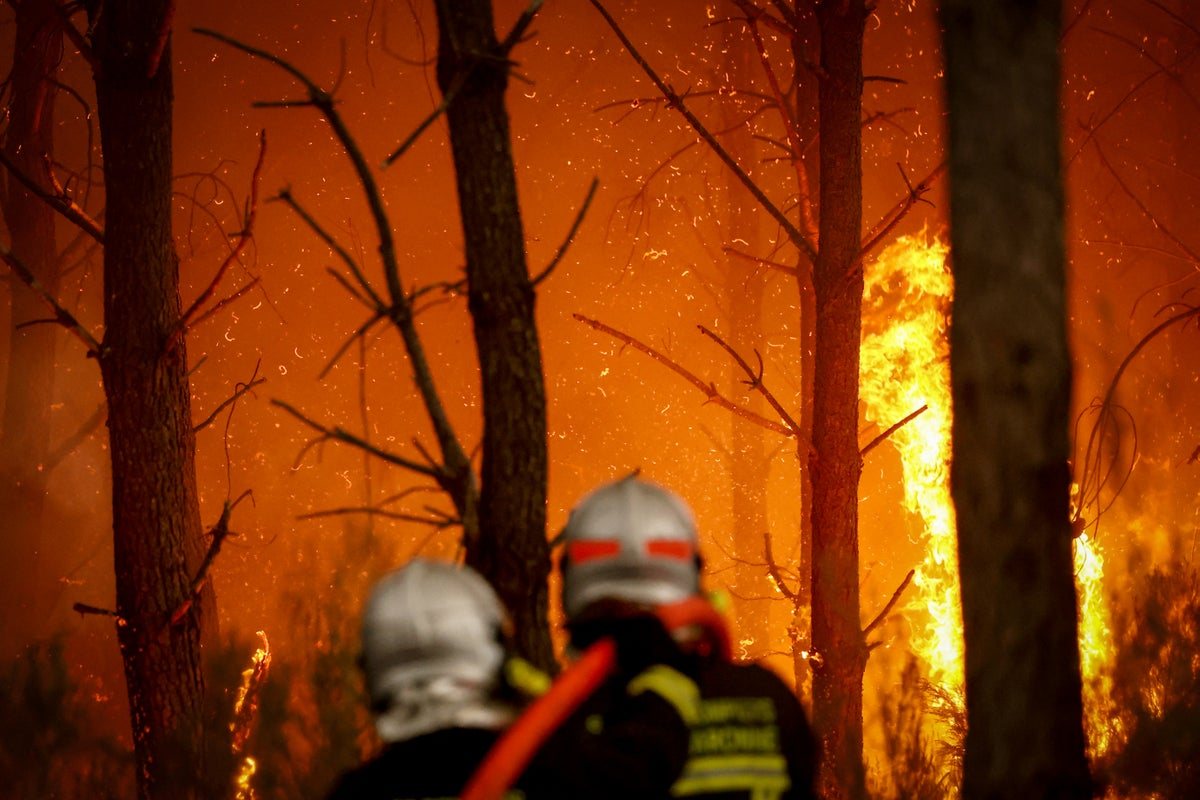
Wildfires raging across Europe have forced around 300,000 people from their homes this week, with French firefighters warning it could take weeks or months to extinguish the flames threatening the city of Bordeaux.
By Edward Beaumont · 4 min read
Wildfires sweeping across Europe have displaced approximately 300,000 people this week, as French firefighters warned the blaze encroaching on the city of Bordeaux may take weeks or months to bring under control. The so-called «fire cloud» has spread over the Bordeaux metropolitan area, home to more than 850,000 residents, prompting the evacuation of over 250,000 people from the region. Officials expressed concern that the blaze could continue to threaten the city and its airport in the coming days.
In Spain, the situation is equally severe. Provisional data from Spanish authorities shows that more than 170,000 hectares of forest land have been affected by wildfires since the beginning of the year. This is a nearly sixfold increase on the approximately 29,000 hectares recorded in the same period in 2025. The number of major fires has also risen sharply, with 35 recorded so far this year compared to just 11 in the previous year. Spanish Prime Minister Pedro Sánchez stated that the country is suffering the effects of the climate crisis, as firefighters continue to battle multiple blazes across several regions.
French President Emmanuel Macron held a crisis meeting to coordinate the response to the wildfires in the Gironde department, where the flames have been advancing towards Bordeaux and its airport. Firefighters have been working around the clock, using water-dropping aircraft and ground crews to protect residential areas and critical infrastructure. The prolonged dry weather and the onset of another heatwave in France have exacerbated conditions, making firefighting efforts more difficult. Authorities have urged residents to remain vigilant and follow evacuation orders.
The scale of the wildfires this year is unprecedented in many parts of Europe. Fire chiefs in the United Kingdom have also warned that wildfires could become «exceptionally severe» following the prolonged spell of dry weather, though the most immediate threats are in southern Europe. The crisis has highlighted the growing risks associated with climate change, with scientists linking more frequent and intense heatwaves and droughts to global warming. The European Union has mobilised additional resources, including firefighting aircraft and personnel, to assist affected member states.
In the Bordeaux region, the flames have destroyed large areas of pine forest and threatened agricultural land. Local officials have set up emergency shelters for evacuees, many of whom have been forced to leave their homes with little warning. The economic impact is expected to be significant, with damage to vineyards and tourism infrastructure. As the fires continue to burn, the immediate priority remains protecting lives and property. Meteorologists predict that weather conditions may improve slightly in the coming days, but the risk of further outbreaks remains high as the region remains tinder-dry.
The European wildfire season has become more severe in recent years, with record temperatures and prolonged droughts creating ideal conditions for blazes to spread rapidly. This year's fires in France and Spain are among the worst on record, prompting comparisons with the devastating fires of 2022 and the extreme conditions of 2023. The response from national governments and the EU has been swift, but the sheer scale of the evacuations and the duration of the firefighting effort are straining resources. With climate models predicting more frequent extreme weather events, European nations are being urged to invest in better prevention and response capabilities.