
Business 112
Kia EV9 Discounts Reach $16,000 as Sales Fall 33%
In this issue
Business 112
Kia EV9 Discounts Reach $16,000 as Sales Fall 33%
Culture 92
1999 Shelby Series 1 Supercharged with 2,600 Miles Heads to Auction
Economy 30
HMRC is writing to low earners about pension top-ups averaging about £70
News 123
Aftermarket Trackers Recover 99% of Stolen Cars as Factory Systems Fail
Politics 105
Reform UK's Welsh Leader Dan Thomas Resigns After Arrest on Suspicion of Assault
Sports 232
Middlesbrough v Millwall Postponed in Championship
Technology 123
Volkswagen ID.3 Neo GTI: Electric hot hatch with 326 hp
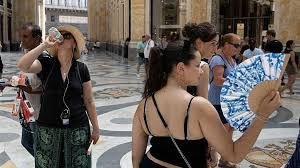
Italy has placed 19 major cities, including Rome, Milan and Naples, on the highest heat alert as an African heatwave pushes temperatures towards 40C, with all but two expected to follow by Monday.
By Eleanor Ellington · 3 min read
Italy has placed nearly all of its major cities on the highest heat alert as an African heatwave pushes temperatures towards 40 degrees Celsius across the country. Nineteen urban centres, including Rome, Milan and Naples, are already under a red alert, and by Monday all but two of Italy's major cities are expected to be covered by the same warning.
The red alert is the most severe level in Italy's colour-coded heat health warning system. It is declared when extreme temperatures are expected to affect the health of the wider population, not only frail or elderly people. During red alert days, authorities urge residents and visitors to avoid strenuous outdoor activity in the hottest part of the day, to drink water regularly and to check on older relatives and neighbours who may be more vulnerable.
Temperatures have already reached 40 degrees Celsius in parts of the country, and so-called tropical nights have returned — nights when the mercury does not fall below 20 degrees, leaving little chance for people to cool down after sunset. Prolonged periods of hot days and warm nights can increase the risk of heat exhaustion and other heat-related illness, and sleep deprivation caused by warm nights can compound the effects of extreme daytime heat.
Among the cities on red alert are the capital Rome, the northern city of Milan and Naples in the south, a list that stretches from the north of the country to the south. By Monday, only two major cities are expected to remain outside the highest alert, meaning that residents of almost all of Italy's main urban centres will be living under the most severe heat warning.
The heat alerts are reviewed daily as new forecasts come in, and the expected expansion of the red alert list by Monday reflects how persistent the heatwave has become.
The warnings have been issued at the start of August, one of the hottest months in Italy, when tourism is at its peak and many Italians are taking summer holidays. Red alert days are generally associated with a rise in heat-related health problems, particularly among older people and those with chronic heart or respiratory conditions.
Authorities in cities under red alert generally advise people to limit time outdoors during the hottest hours, to keep homes cool and to look out for neighbours who live alone. Outdoor workers, small children and visitors unaccustomed to high temperatures are considered to be among those most at risk. With the alert set to cover nearly every major city by Monday, the heatwave is expected to remain a serious public health concern for the country in the days ahead.