
Business 110
Dacia CEO Urges EU to Freeze Small Car Rules to Cut Prices
In this issue
Business 110
Dacia CEO Urges EU to Freeze Small Car Rules to Cut Prices
Culture 89
1988 Porsche 911 Carrera Targa G50 with Rebuilt Engine Heads to Auction
Economy 30
HMRC is writing to low earners about pension top-ups averaging about £70
News 123
Aftermarket Trackers Recover 99% of Stolen Cars as Factory Systems Fail
Politics 104
Met police open inquiry into alleged foreign donations to Reform UK
Sports 231
AMG GT Black Series Spied With Radical Aero Ahead of Nürburgring Record Attempt
Technology 117
BMW Confirms Next 3 Series Will Retain Plug-In Hybrid Power
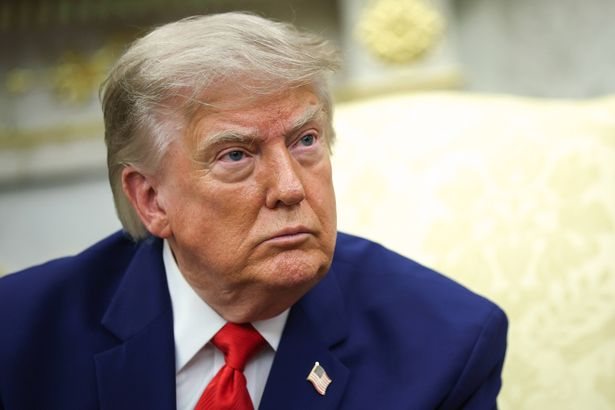
A new YouGov poll reveals that the most common word Americans use to describe President Donald Trump is 'dangerous', with 'corrupt' and 'out-of-touch' also frequently cited, reflecting widespread disapproval a year and a half into his second term.
By George Kensington · 4 min read
A new YouGov poll has revealed that the single word most commonly used by Americans to describe President Donald Trump is «dangerous», underscoring deep public disapproval as his second term approaches the halfway mark. The survey, conducted among a representative sample of U.S. adults, asked respondents to provide a single word they associate with the president, and «dangerous» emerged as the top response, cited by a plurality of participants.
The poll, which has garnered significant attention across news outlets, also found that other frequently mentioned words include «corrupt» and «out-of-touch». These terms paint a stark picture of how many Americans view the current administration, reflecting ongoing concerns about governance, ethics, and the direction of the country. The findings come at a time when Trump's approval ratings have remained relatively low, with many voters expressing dissatisfaction with his handling of key issues such as the economy, healthcare, and foreign policy.
According to the poll data, the word «dangerous» was chosen by a larger share of respondents than any other single term, indicating a broad consensus among those who hold a negative view of the president. While some respondents offered neutral or positive words such as «strong» or «leader», the overall sentiment skews heavily negative. The survey highlights a deep partisan divide, with Democrats and independents overwhelmingly using critical language, while Republicans were more likely to offer supportive or neutral descriptors.
The YouGov poll is part of a series of surveys tracking public opinion on Trump since he took office in January 2025. The results suggest that, despite his continued influence within the Republican Party, his image among the general population remains deeply polarised. Political analysts note that the word «dangerous» carries particular weight, as it implies not just disagreement with policies but a perception of threat or instability. This could have implications for upcoming midterm elections and the broader political landscape.
In addition to «dangerous», the words «corrupt» and «out-of-touch» were also among the top responses, reflecting ongoing controversies surrounding Trump's business dealings, legal challenges, and his administration's handling of various crises. The poll's release has sparked debate on social media and in political circles, with critics of the president seizing on the results as evidence of widespread discontent, while supporters argue that the sample may not fully represent the views of all Americans.
The survey was conducted online using a nationally representative panel, with a margin of error of approximately three percentage points. YouGov, a respected polling firm, regularly conducts such surveys to gauge public sentiment on political figures and issues. The full results, including demographic breakdowns, are expected to be published in the coming days.
As Trump continues to navigate his second term, the poll serves as a reminder of the challenges he faces in winning over a sceptical public. While his base remains loyal, the broader electorate appears to harbour significant reservations, which could shape the political dynamics ahead of the 2026 midterm elections and beyond.